The word picada can refer to very different culinary traditions depending on the country and cuisine being discussed. In Spain, particularly in Catalan cooking, it describes a flavorful paste used to enrich and thicken dishes. In Argentina and Uruguay, picada is a generous platter of cured meats, cheeses, and snacks designed for sharing. Meanwhile, in Colombia, the term describes a hearty platter piled high with chopped and fried meats, potatoes, plantains, and other accompaniments.
Although these interpretations share the same name, each represents a unique food culture. Exploring them offers an interesting look at how similar culinary terms can develop different meanings across regions.
What Is Picada?
At its simplest, picada refers to something that has been chopped, pounded, or prepared into smaller pieces. However, its exact meaning depends heavily on the culinary tradition.
In Catalan cuisine, picada is a cooking technique rather than a finished dish. In Argentina and Uruguay, it is a social platter similar in spirit to an antipasto spread. In Colombia, it is a substantial communal meal featuring several types of meat and traditional side dishes.
Understanding these regional differences is important because ordering or preparing a pica da can result in completely different foods depending on where you are.
The Catalan Picada: A Flavorful Cooking Paste
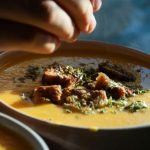
In Catalonia, Spain, a picada is a dense mixture that is traditionally added toward the end of cooking. It works as both a thickening ingredient and a powerful flavor enhancer.
The traditional preparation involves using a mortar and pestle to pound several ingredients together until they form a coarse or smooth paste. This mixture is then stirred into stews, soups, seafood dishes, or meat preparations.
Traditional Ingredients
A classic Catalan picada often contains three important components:
-
Nuts: Toasted almonds are particularly common, although hazelnuts and pine nuts can also be used.
-
Bread: Stale, toasted, or fried bread gives the mixture additional body and helps thicken the dish.
-
Liquid: Cooking juices, stock, or hot water are used to bring the ingredients together.
Aromatics can make the mixture even more distinctive. Garlic, parsley, and saffron are frequently used. Depending on the recipe, cooks may also add ingredients such as cinnamon, dark chocolate, or cooked liver.
The result is a concentrated mixture that can transform the texture and flavor of an otherwise ordinary stew.
How Catalan Picada Is Used in Cooking
One of the defining characteristics of Catalan picada is when it is added. Rather than cooking it for a long period at the beginning, the mixture is generally incorporated during the final stage of cooking.
This allows its flavors to remain noticeable while helping create a richer consistency. A small amount can have a significant effect, especially in dishes containing seafood, meat, vegetables, or legumes.
The technique also demonstrates an important principle of traditional cooking: simple ingredients can create depth when prepared carefully.
Argentine and Uruguayan Picada: A Social Food Tradition
In Argentina and Uruguay, the meaning of picada changes dramatically. Here, it generally refers to a large platter of finger foods intended for sharing.
The tradition has been influenced by European food cultures, particularly Italian antipasto and Spanish tapas. A picada is commonly served before a meal, during celebrations, or as a casual meal among family and friends.
Instead of being one specific recipe, it is an arrangement of different ingredients designed to offer a variety of flavors and textures.
What Goes on an Argentine Picada?
A typical Argentine picada may include an assortment of cured and cooked meats, cheeses, vegetables, and snacks.
Common ingredients include:
-
Salami
-
Longaniza
-
Cooked ham
-
Mortadella
-
Reggianito
-
Gouda
-
Brie
-
Olives
-
Peanuts
-
Pickled vegetables
-
Country bread
The ingredients are usually arranged attractively on a large board or serving platter. Guests can choose small portions while talking and socializing.
This makes the picada more than just food. It is part of a relaxed dining experience centered around conversation and sharing.
Colombian Picada: A Hearty Meat Platter
In Colombia, picada takes another form. Rather than being primarily a selection of cold meats and cheeses, Colombian picada is often a substantial platter containing chopped and fried meats.
It is particularly associated with communal dining and gatherings where several people can share one large serving.
A Colombian picada may contain steak, chorizo, chicharrón, and morcilla. These meats can be accompanied by popular Colombian foods such as fried plantains, potatoes, and arepas.
The combination creates a filling meal with contrasting textures. Crispy pork, grilled or fried meat, soft potatoes, sweet plantains, and corn-based arepas can all appear on the same platter.
Picada and Carne Picada in Mexican Cuisine
There is another related term that can sometimes cause confusion: carne picada.
In Mexican and Tex-Mex cooking, carne picada generally means minced, chopped, or finely cut meat. It is not the same dish as the Catalan cooking paste or the Argentine social platter.
Carne picada can be prepared by braising or sautéing chopped beef and is commonly used in foods such as tacos, burritos, rice bowls, and other casual dishes.
The preparation can vary considerably depending on the recipe. Seasonings, vegetables, cooking methods, and the size of the meat pieces can all change the final result.
Why the Same Word Has Different Meanings
The different meanings of pica da demonstrate how culinary language develops through history, geography, and cultural exchange.
In one region, the word describes a technique involving pounding ingredients together. In another, it describes a social platter assembled for sharing. Elsewhere, it refers to a large mixed-meat meal.
These traditions may seem unrelated at first, but they share an underlying concept: preparation involving ingredients that are chopped, crushed, or combined into a flavorful whole.
Food terminology often evolves in this way. A word can travel across countries and cultures while acquiring a meaning that reflects local ingredients, customs, and cooking traditions.
How to Make a Catalan Picada at Home
For cooks interested in trying the Catalan version, the process can be relatively straightforward.
Start by lightly toasting almonds and preparing a small amount of stale or toasted bread. Add the ingredients to a mortar along with garlic, parsley, and saffron if desired. Pound everything together until it forms a thick mixture.
A little stock, hot water, or cooking liquid can be added to achieve the desired consistency. The finished mixture can then be stirred into a stew or sauce during the final minutes of cooking.
The exact ingredients can be adjusted according to the dish. This flexibility is one reason the technique remains useful in traditional Catalan cooking.
Final Thoughts
Although the word picada has a single spelling, its culinary meaning changes significantly across different parts of the Spanish-speaking world and beyond. Catalan pica da is a concentrated cooking paste that adds body and flavor to dishes. Argentine and Uruguayan pica da is a generous sharing platter filled with meats, cheeses, and accompaniments. Colombian pica da is a hearty mixed-meat platter designed for communal eating, while carne picada describes chopped or minced meat in Mexican and Tex-Mex cuisine.
Exploring these different traditions reveals how food connects language, culture, and community. Whether used to finish a Catalan stew or placed at the center of a table for friends to share, pica da represents the creativity and variety found throughout Latin American and Spanish cuisine.
FAQs
What is picada?
Picada has different meanings depending on the region. It can refer to a Catalan cooking paste, a sharing platter in Argentina and Uruguay, or a mixed-meat platter in Colombia.
What is Catalan pica da made of?
Catalan pica da commonly contains toasted almonds, bread, cooking liquid, garlic, parsley, and saffron. Some recipes may also include ingredients such as hazelnuts, pine nuts, cinnamon, chocolate, or cooked liver.
What is an Argentine pica da?
An Argentine pica da is a large sharing platter featuring cured meats, cheeses, olives, peanuts, pickled vegetables, and bread. It is commonly enjoyed during social gatherings.
What is Colombian picada?
Colombian picada is a hearty platter of chopped and fried meats such as steak, chorizo, chicharrón, and morcilla, often served with potatoes, plantains, and arepas.
What does carne picada mean?
In Mexican and Tex-Mex cuisine, carne picada generally means chopped or minced meat. It can be used in tacos, burritos, bowls, and other dishes.
Is pica da a Spanish food?
The Catalan version of pica da originates from Spain, while other foods using the term developed in South American culinary traditions, including Argentina, Uruguay, and Colombia.