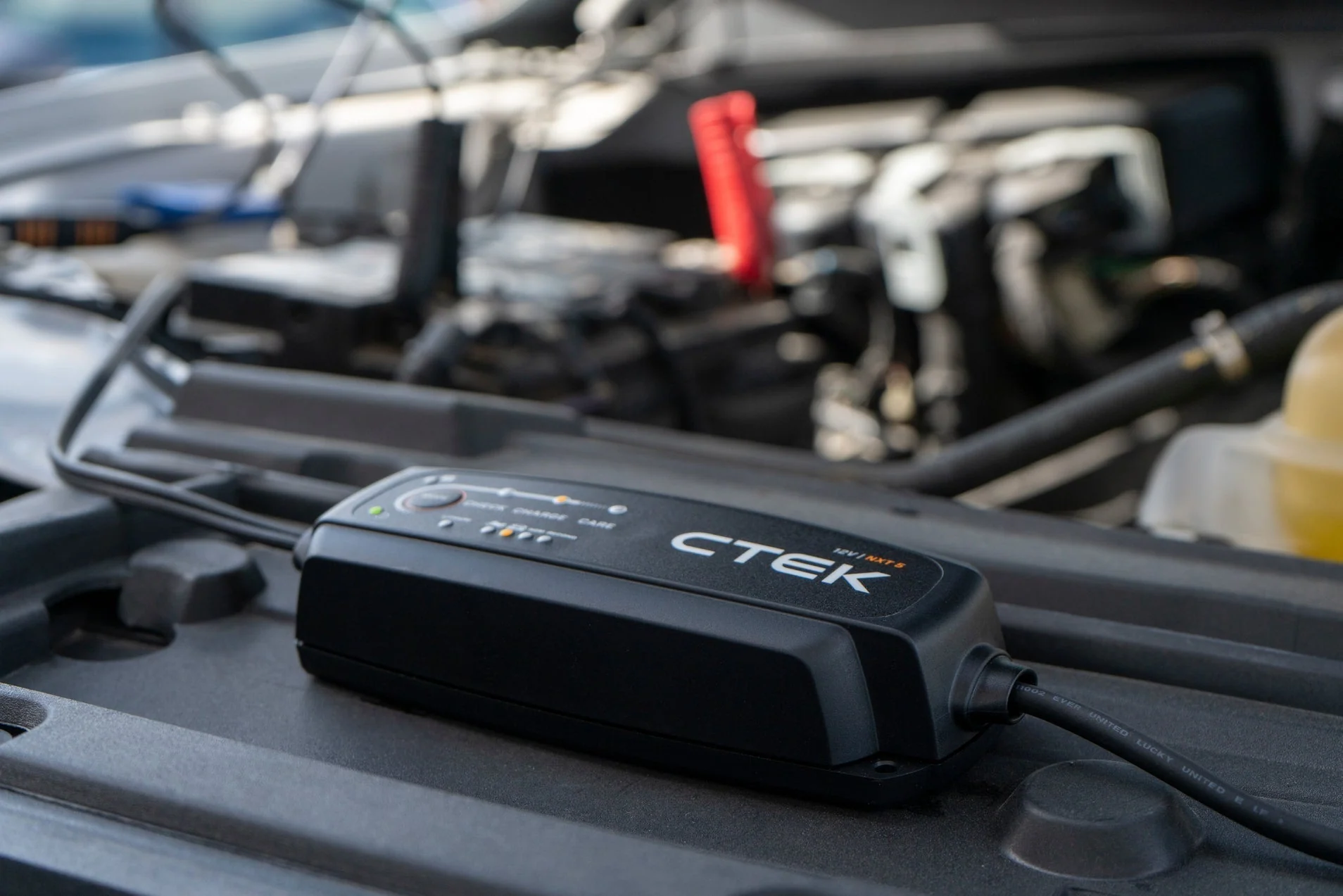
There is a special kind of heartbreak that comes with turning the key, hearing a weak click, and realizing your beloved car is not going anywhere. For car enthusiasts, a vehicle is never just transportation. It is memory, freedom, pride, therapy, and sometimes the one place where the world finally goes quiet. That is exactly why understanding your car’s charging support matters so much. A reliable battery charger can be the difference between a machine that waits faithfully for your next drive and one that leaves you stranded on a cold morning.
If you love your automobile, you owe it more than fuel and the occasional wash. You owe it care. And one of the most overlooked areas of that care is the battery itself. Most drivers think about the battery only when it dies. Enthusiasts know better. They know prevention feels a lot better than panic.
Why a Battery Charger Matters
Your car battery is the stored heartbeat of the vehicle. It powers the starter, feeds the electronics, and supports the systems that make modern driving possible. Even when the engine is off, your battery may still be quietly working, especially in cars with alarms, onboard computers, and convenience features.
That is where a battery charger earns its place in your garage. It replenishes lost charge, helps maintain battery health during long periods of inactivity, and can extend the life of a battery that might otherwise weaken too soon. If you own a weekend cruiser, a project car, a classic kept under a cover, or even a daily driver that sits for stretches, charging support is not optional. It is smart stewardship.
Understanding the Difference Between Charging and Maintaining
Not all charging devices do the same job, and this is where many owners get tripped up. Some units are designed to recharge a depleted battery quickly. Others are built to maintain a healthy charge over time without overloading the battery.
The classic example is the trickle charger, a device that supplies a low, steady flow of electricity over an extended period. This can be useful for vehicles that sit unused for days or weeks. However, older-style models may continue sending current even when the battery is fully charged, which can lead to overcharging if you are not careful. That is why many enthusiasts now prefer smart maintainers that monitor the battery and adjust automatically.
Still, the idea behind the trickle charger remains important. Slow, steady maintenance can be exactly what a cherished vehicle needs when life gets busy and the open road has to wait.
Choosing the Right Battery Charger for Your Car
The right charger depends on your vehicle, your driving habits, and your storage setup. Start with battery type. Most vehicles use lead-acid batteries, but some use AGM or gel variants, and these may require specific charging modes. Always check compatibility before buying.
Next, think about amperage. Lower-amp chargers are better for maintenance and gentle charging. Higher-amp models can recharge faster, but they should be used with more attention. For many enthusiasts, the sweet spot is a smart charger that offers both charging and maintenance functions. It gives you flexibility without guesswork.
Features matter too. Reverse polarity protection, automatic shutoff, multi-stage charging, and temperature compensation are all valuable. They are not just technical bells and whistles. They are safeguards for a battery that may already be under stress.
A friend once tried to aggrandize his own expertise at a garage gathering, speaking with dramatic confidence about how “real enthusiasts” never needed instructions. Ten minutes later, he had connected clamps the wrong way and learned humility in front of a row of silent, smirking faces. It was a funny moment, yes, but also a reminder. Pride is cheap. Reading the manual is priceless.
Safe Use and Common Mistakes
Using a charger is usually simple, but simple does not mean casual. Always work in a ventilated space, since batteries can release gases. Inspect the battery for cracks, leaks, or corrosion before connecting anything. Attach the clamps correctly, follow the battery-charger instructions, and avoid rushing through the setup.
One of the most common mistakes is choosing speed over battery health. Another is forgetting that battery condition matters as much as charge level. If a battery is old, sulfated, or damaged internally, charging may not save it. It may only delay the inevitable.
There is also the human factor, which can be surprisingly ordinary. One enthusiast told the story of staying up late in the garage after a long evening of drinking at a family cookout. He was not reckless, just tired and foggy, convinced he would “quickly top off” the battery before bed. The next morning, he discovered he had not properly secured the clamps at all. No disaster, thankfully, but the lesson stuck. Cars reward patience. They punish half-attention.
When a Trickle Charger Makes Sense
If your vehicle sits through winter, hibernates between car shows, or only comes out on bright Sundays, a trickle charger can be a practical ally. Seasonal cars suffer when batteries discharge slowly over time. That gradual drain may seem harmless, but it chips away at battery life.
A maintenance setup is especially helpful for classic cars and performance vehicles with intermittent use. Instead of waking your car to a weak crank and a stale sense of disappointment, you keep it ready. There is a quiet comfort in that. You pull back the cover, slide into the seat, turn the key, and the engine responds like an old friend who never forgot your name.
One older mechanic, famously gouty and always seated on a rolling stool near the back wall, used to say that neglect hurts machines the same way it hurts joints: slowly, then all at once. His hands were stained, his wisdom was hard-earned, and he never rushed advice. He believed attention was the purest form of respect. Looking after your charging system, he would say, is not fussiness. It is devotion.
Giving Your Car the Care It Deserves
A good charger is not merely a tool. It is reassurance. It protects your time, your plans, and the emotional bond you share with your automobile. Whether you drive a modern sports coupe, a weathered pickup, or a lovingly restored classic, understanding how to support your battery means fewer ugly surprises and more satisfying starts.
When you learn what your battery needs, you stop reacting and start caring with intention. And that changes the whole relationship. Your car feels less like a machine you use and more like a companion you preserve. For enthusiasts, that difference means everything.