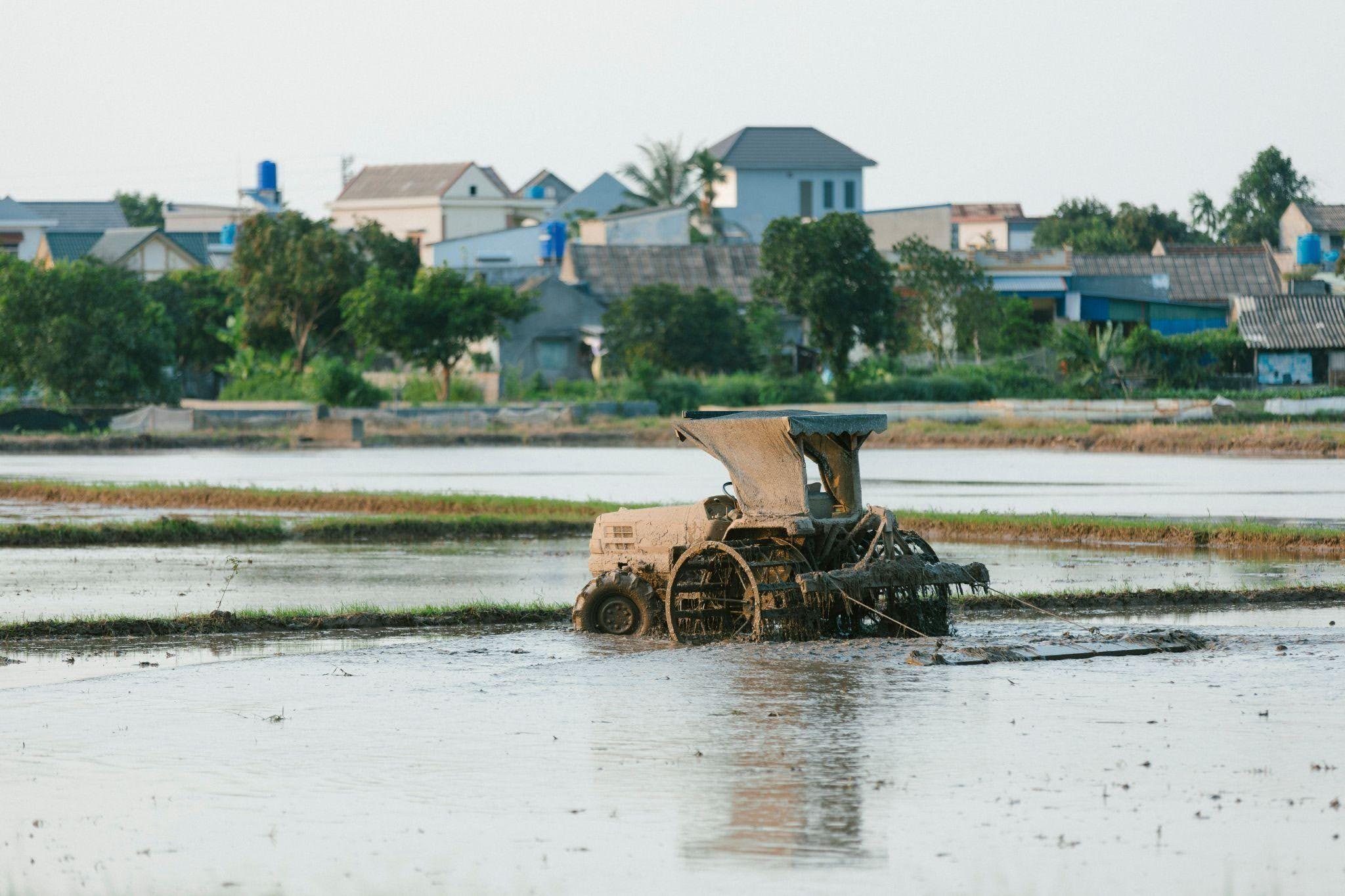
Water management affects almost every part of farming. When rainfall is scarce, growers need to move water to crops at the right time. When storms bring too much rain, they need safe routes for excess water to leave fields and working areas. Irrigation pipes, drainage channels, pumps, and access tracks all need attention, and many of these jobs involve moving equipment across the farm.
For farmers exploring machines from a farm tractor manufacturer in China, it is useful to consider water-related work alongside ordinary cultivation. A tractor cannot replace a properly designed irrigation or drainage system, but it can help transport supplies, operate compatible equipment, and maintain access around that system. The best results come from understanding what machinery can reasonably do—and what should be left to trained water-management specialists.
Water Problems Often Begin Outside the Crop Rows
A wet patch may appear in the middle of a field, yet the cause can be a blocked outlet some distance away. Likewise, an irrigation delay may come from a damaged pipe or a difficult route to the pump house rather than from a shortage of water. Farmers benefit from looking at the entire path water takes, from its source to the crop and eventually away from the land.
Before planning machinery work, walk the property and mark recurring puddles, leaking connections, soft tracks, and places where water flows after heavy rain. These observations help identify practical jobs while avoiding unnecessary digging or grading.
Prepare Access Routes for Irrigation Work
Irrigation systems need periodic inspection, especially where pipes and valves are spread across large areas. Workers must be able to reach these points with tools and replacement materials. Overgrown or rutted farm tracks can make small repairs surprisingly difficult.
A tractor with an appropriate mower may help keep vegetation controlled along designated access routes. Suitable grading equipment can assist with some farm-track repairs, provided the work does not redirect water toward buildings or neighboring land. The goal is dependable access, not changing the landscape without a drainage plan.
Move Pipes, Fittings, and Other Supplies
Installing or repairing irrigation lines can involve shifting bulky pipes, rolls of hose, valves, and other materials. Carrying everything by hand becomes inefficient when the repair site is far from storage.
A tractor towing a correctly rated trailer can bring supplies closer to the work area. Secure loads carefully, protect fragile fittings, and keep workers clear when loading or unloading. It is often better to make one organized delivery with the necessary parts than to send people back and forth for missing items. That simple improvement can reduce interruptions during urgent repairs.
Support Pumping and Water Storage Areas
Pump stations and storage tanks need clear approaches for inspections and service vehicles. A tractor may help move tools, approved fuel containers, or maintenance materials to these locations, especially where ordinary vehicles have difficulty reaching them.
Some irrigation pumps are designed to be powered through a tractor’s power take-off. That does not mean every tractor can safely operate every pump. The pump’s speed, power, shielding, and connection requirements must match the tractor, and the installation needs appropriate protection. Electrical and pumping work should be handled by qualified people where required. Reliable water delivery depends on the whole system, not just the machine providing power.
Keep Surface Drainage Routes Accessible
Surface drains and field ditches collect excess water and move it toward suitable outlets. If vegetation, sediment, or debris obstructs them, water may remain where it is not wanted. Routine observation can show which sections need attention before the next storm.
Tractors may help transport cleared materials or mow safe approaches to drainage infrastructure. However, reshaping a ditch is different from clearing access. Its depth, slope, outlet, and environmental impacts matter. Excavation or significant alteration should follow an appropriate design and local permissions, rather than an improvised pass with a blade.
Match Equipment to the Actual Water-Management Job
There is no single attachment that solves every irrigation or drainage problem. A trailer is useful for moving supplies; a mower may maintain access; a properly specified pump arrangement can support water transfer. The correct combination depends on the job, terrain, and operating limits.
When discussing options with a farm tractor manufacturer in China, explain what the tractor will actually operate. Ask about PTO speed, available output, hydraulic connections, hitch specifications, and the total weight of attached equipment. A compatible connection is only the starting point; stability, guarding, and safe working procedures matter just as much.
Avoid Damaging Soil When the Ground Is Wet
There is a temptation to drive straight toward a flooded spot to investigate it. Unfortunately, wet soil may not support a tractor’s weight. Deep ruts and compaction can make future field operations harder, while an unstable surface increases the risk of getting stuck or overturning.
Use established routes whenever possible, assess ground conditions before entering, and postpone nonessential work until the soil can support machinery. Tire choice and pressure should follow the relevant manufacturer guidance. If an area is unsafe for access, inspecting it from firm ground is better than creating a second problem during the repair.
Take Extra Care Near Ditches and Waterways
The edges of canals, ponds, and drainage ditches can be weaker than they look. Water may erode the bank from below, and soft ground can collapse under a heavy wheel. A tractor should not be driven close to an unsupported edge simply because the surface appears dry.
Mark hazardous sections, keep a safe distance, and use a route assessed for the machine and its load. Never use a tractor to pull a stuck machine from water without a suitable recovery plan and trained personnel. People should also remain clear of rotating pump shafts, pressurized lines, and moving equipment.
Protect Water Quality and Neighboring Land
Improving drainage is not always about removing water as quickly as possible. Uncontrolled runoff may carry sediment and nutrients into streams, while poorly planned changes can move a flooding problem onto another property.
Vegetated buffers, suitable outlets, and professional drainage advice can be important parts of an effective plan. Farmers should check local rules before altering waterways, pumping from a source, or installing new drainage. The tractor’s role is to support a responsible water-management system, not to bypass the decisions that make the system safe and legal.
Organize Repairs Before the Next Heavy Rain
Weather events often reveal weak points that have been present for months. A blocked access route, damaged hose, or missing fitting becomes much more disruptive when a storm is approaching. A simple inspection routine can improve readiness without requiring expensive technology.
Farmers can prepare a practical water-management checklist:
- Inspect drainage outlets: Look for visible blockages and damaged sections.
- Check irrigation connections: Identify leaking joints, pipes, and hoses.
- Prepare repair supplies: Keep frequently needed fittings and tools organized.
- Review access routes: Identify safe ways to reach important equipment.
- Record recurring problems: Note locations where water repeatedly collects.
Once conditions are safe after heavy rainfall, these records can help farmers identify problems that require professional attention.
Measure Success by Fewer Interruptions
The value of a tractor in water-management work is not measured only by how quickly it pulls a trailer or operates a tool. A better question is whether workers can reach equipment, complete approved repairs safely, and keep ordinary farm operations moving.
Track recurring problems such as blocked routes, delayed material deliveries, and repeated repair visits. If the same job keeps returning, the underlying irrigation or drainage design may need attention. Adding more machinery will not fix a poorly placed outlet or an undersized water line. Equipment should support a sensible system rather than compensate for a permanent design problem.
Choose a Tractor With Supporting Tasks in Mind
Farmers comparing tractor models should bring a list of water-related jobs to the supplier, along with information about field access, trailer loads, and any powered equipment they intend to use. Request the exact technical specifications and confirm compatibility before ordering. This is more useful than choosing a model based on horsepower alone.
The tractor collection at gengjiaagri.com includes different power categories and configurable options for agricultural applications. Buyers can use that range to discuss practical needs such as transport, attachment connections, and working conditions, while confirming model-specific capabilities directly. The right machine should support water-management tasks without being presented as a substitute for professional irrigation or drainage design.
Conclusion
Reliable farm water management depends on good planning, careful inspection, and the right equipment for each job. Tractors can help carry supplies, maintain safe access, and operate suitable tools, but sound drainage design and responsible water use remain essential. By separating machinery tasks from specialist work, farmers can respond to everyday problems more efficiently while protecting their fields, workers, and surrounding land.