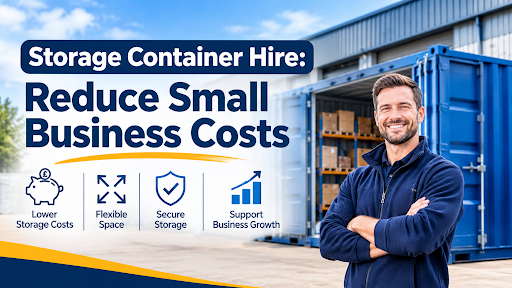
Running a small business in the UK involves balancing operating costs, managing stock and making the best use of available space. As businesses grow, storage requirements often increase. However, renting larger premises or investing in permanent storage facilities can place unnecessary pressure on operating budgets.
Storage Container hire offers a practical and flexible alternative. Businesses can access additional storage space without committing to expensive property rentals or construction projects. Whether a company needs somewhere to keep seasonal stock, tools, machinery or surplus materials, hiring a storage container provides additional capacity when required.
For small businesses looking to control overheads, improve organisation and maintain operational flexibility, storage containers can become a valuable part of their business storage strategy.
1. Reduce Warehouse Rental Costs with Storage Container Hire
Commercial warehouse space can represent a significant ongoing expense for small businesses. Monthly rent, business rates, utilities and maintenance costs can quickly increase operating overheads.
Hiring a storage container provides another way to manage additional inventory without immediately moving into larger commercial premises.
Businesses with suitable outdoor space can position a container on-site and use it to store products, equipment, packaging materials and other supplies. This approach makes additional storage accessible without requiring a separate warehouse.
For example, a small manufacturing company might experience increasing demand but lack sufficient room for raw materials and finished products. Instead of renting another warehouse, it could use a storage container to accommodate surplus inventory.
On-site storage helps businesses make better use of existing premises while keeping additional property expenses under control.
2. Avoid Expensive Construction Projects
Building permanent storage facilities requires considerable planning and investment. Businesses may need to arrange construction work, obtain relevant permissions and pay for materials, labour and ongoing maintenance.
These commitments are not always practical for smaller organisations.
Storage containers for rent offer an alternative without requiring businesses to construct additional buildings. They provide ready-made storage space that can be delivered and positioned at a suitable location, subject to access and site requirements.
This option works particularly well for:
- Construction companies storing tools and building materials.
- Retailers managing additional products and packaging.
- Manufacturers require space for raw materials.
- Agricultural businesses storing supplies and equipment.
- Distribution companies managing temporary inventory.
By choosing storage container hire, businesses can address immediate space requirements without committing to permanent construction.
3. Manage Seasonal Inventory Without Increasing Permanent Costs
Many UK businesses experience fluctuations in stock levels throughout the year. Retailers, wholesalers and online businesses often need additional storage during busy trading periods.
Events such as Christmas, Black Friday and summer sales can create temporary demand for additional inventory space.
However, maintaining a larger warehouse throughout the year may not make financial sense when storage requirements decrease during quieter periods.
A storage container for hire allows businesses to accommodate seasonal inventory without permanently increasing their premises.
For example, an online retailer can use an additional container to store increased stock before a major sales campaign. Once demand returns to normal, the business can review its storage requirements and adjust its hiring arrangements.
This approach supports better inventory management while helping businesses avoid unnecessary long-term property commitments.
4. Protect Valuable Tools, Equipment and Business Stock
Storage costs are not limited to the space businesses occupy. Damaged, misplaced or stolen equipment can also create unexpected expenses.
Small businesses often depend on valuable tools, machinery, materials and stock to maintain daily operations. Leaving these items in unsuitable areas can increase the risk of damage, deterioration or loss.
A suitable storage container provides a dedicated area for keeping business assets organised and protected.
Businesses can use containers to store:
- Construction tools and specialist equipment.
- Electrical supplies and building materials.
- Retail stock and packaged products.
- Machinery components and spare parts.
- Packaging materials and maintenance supplies.
Depending on the container specification, businesses can benefit from durable construction and lockable access.
However, storage conditions should match the materials being stored. Businesses handling sensitive products may need specialist ventilation, insulation or temperature-controlled facilities.
Secure and suitable storage helps businesses protect valuable assets and maintain better control over their inventory.
5. Flexible Storage Solutions for Growing Businesses
Business growth rarely follows a predictable schedule. A company might need additional storage during expansion, a new product launch or a temporary increase in customer orders.
Committing to larger commercial premises can limit flexibility, particularly when future requirements remain uncertain.
Storage container hire provides a more adaptable approach.
Businesses can select suitable storage capacity based on their current requirements and review their arrangements as operations develop. They may also consider additional containers when existing space becomes insufficient.
This flexibility can benefit:
- Start-ups building their initial inventory.
- Small manufacturers expanding production.
- Retail businesses introducing new product ranges.
- Contractors managing multiple projects.
- E-commerce companies experiencing increased orders.
Rather than investing heavily in permanent facilities, businesses can explore temporary storage solutions that support changing operational demands.
6. Improve Workplace Organisation and Operational Efficiency
Limited storage space can affect more than a business’s property costs. It can also create unnecessary challenges for employees.
When tools, stock and materials occupy working areas, employees may struggle to locate essential items. Cluttered environments can restrict movement, reduce available workspace and complicate daily activities.
Additional storage space helps businesses establish clearer working arrangements.
For example, a construction company can keep equipment and materials in a designated container rather than leaving them scattered across its working premises. Similarly, a retailer can separate excess inventory from its main operational area.
A well-organised storage arrangement can help businesses:
- Keep essential workspaces clear.
- Separate different types of inventory.
- Improve access to tools and materials.
- Reduce time spent locating supplies.
- Maintain better stock control.
- Create more organised working environments.
These improvements can support productivity while allowing businesses to make better use of their existing premises.
7. Storage Container Hire vs Buying: Which Is Better for Small Businesses?
When considering additional storage, businesses generally have two options: hiring a container or purchasing one.
The right choice depends on storage requirements, available budgets and expected usage.
When Storage Container Hire Makes More Sense
Hiring is often suitable for businesses that need additional storage for a defined period or have changing space requirements.
It can help avoid a larger upfront purchase commitment and may provide greater flexibility when storage needs change.
Hiring can be particularly useful for:
- Short-term business projects.
- Seasonal inventory requirements.
- Temporary construction sites.
- Businesses testing additional storage capacity.
- Companies with limited capital budgets.
Businesses should compare hire rates, minimum hire periods, delivery charges and other applicable costs before choosing an arrangement.
When Purchasing a Storage Container Is Worth Considering
A storage container for sale may be more suitable when a business expects to need additional storage over an extended period.
Purchasing provides ownership and allows businesses to retain the container for future use, subject to maintenance and site requirements.
However, the initial purchase price is only one consideration. Businesses should also account for delivery, positioning, maintenance, security and any applicable site requirements.
| Consideration | Storage Container Hire | Storage Container Purchase |
| Initial commitment | Regular hire payments | Higher upfront investment |
| Ownership | No ownership | Business owns the container |
| Duration | Suitable for temporary requirements | Suitable for long-term requirements |
| Flexibility | Can suit changing storage needs | Less flexible if requirements change |
| Maintenance | Depends on hire agreement | Owner is generally responsible |
| Best suited for | Temporary and changing needs | Consistent, long-term storage |
Ultimately, businesses should compare the total cost of hiring against the full ownership costs. This helps identify the most practical option for their circumstances.
8. What Should Small Businesses Consider Before Hiring a Storage Container?
Choosing suitable storage containers for rent requires more than comparing prices. Businesses should consider their available space, storage requirements and intended use.
Several factors can help make the decision easier.
Container size: Estimate the volume of stock, equipment or materials that require storage. Choose sufficient capacity while considering available site space.
Site accessibility: Check whether the delivery vehicle can reach the intended location. Consider ground conditions, positioning space and access requirements.
Security: Look for suitable locking arrangements and consider additional site security measures where necessary.
Container condition: Check the container’s condition, doors, flooring and general suitability for its intended use.
Storage environment: Consider whether the contents require ventilation, insulation or specialist temperature control.
Hire agreement: Review the rental period, delivery arrangements, collection charges and any additional costs before committing.
Taking these factors into account helps businesses select storage solutions that support their operations without creating unnecessary expenses.
9. Why Choose Conrail for Storage Container Hire?
Finding a suitable storage provider is an important part of managing business storage requirements. Small businesses need practical solutions that accommodate their available space, operational demands and budgets.
At Conrail, we provide storage container solutions for businesses looking for additional space to manage their equipment, materials and inventory.
Whether you require temporary storage during a busy period or additional capacity to support ongoing operations, we can help you explore suitable options.
Our storage containers page provides further information about available solutions. You can explore the options and identify a suitable container for your business requirements.
When considering storage container hire, we recommend assessing your required capacity, intended hire period and site conditions. These details help establish a practical storage arrangement.
With the right container, businesses can improve space management, protect valuable assets and maintain greater flexibility as their requirements change.
Conclusion: Reduce Business Overheads with Flexible Storage Solutions
Managing overheads is essential for small businesses looking to maintain financial stability and support sustainable growth. However, increasing storage requirements do not always mean investing in larger premises or permanent construction.
Storage Container hire provides a flexible way to access additional space while avoiding some of the financial commitments associated with expanding commercial property.
From managing seasonal inventory and protecting valuable equipment to improving workplace organisation, containers can support several important business activities.
Hiring also allows businesses to review their storage arrangements as operational requirements change. For companies that need long-term capacity, purchasing may offer a suitable alternative.
By comparing both options and choosing the right container, small businesses can make informed decisions about their storage needs.
Explore Conrail’s storage container solutions to find an option that supports your business operations and future growth.