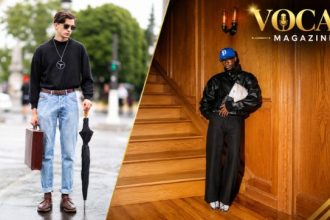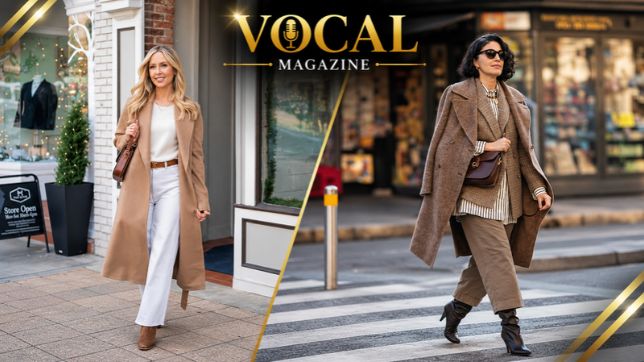
Winter is the perfect season to experiment with cozy fabrics, elegant coats, comfortable boots, and creative outfit combinations. Winter Fashion is not just about following seasonal trends; it is about staying warm while expressing your personal style. With the right clothing, even the coldest days can become an opportunity to create attractive and practical outfits.
Building a stylish winter wardrobe does not require spending a fortune. A few versatile essentials, thoughtful color combinations, and effective layering techniques can transform everyday clothing into fashionable looks. Whether you are dressing for work, university, a casual outing, or a special occasion, choosing suitable fabrics and accessories helps you balance comfort, warmth, and appearance.
1. Build a Versatile Winter Wardrobe
A successful winter wardrobe starts with timeless essentials that work together. Rather than buying every new trend, invest in pieces that you can wear in different combinations throughout the season.
Essential Winter Clothing
Winter coats, wool sweaters, thermal tops, jeans, tailored trousers, and comfortable boots are useful starting points. A neutral-colored coat in black, beige, gray, or camel can complement numerous outfits. Knitwear provides warmth and texture, while well-fitting trousers create a polished appearance.
For example, pair a cream sweater with dark jeans, ankle boots, and a camel coat for an effortlessly elegant everyday outfit. For a more professional look, combine tailored trousers with a fine-knit top and a structured coat.
When shopping, consider durability, comfort, and versatility. Choosing quality basics that last for several seasons can be more affordable than repeatedly purchasing inexpensive clothing that wears out quickly.
2. Master the Art of Layering Clothes
Layering is one of the most practical winter styling tips because it helps regulate body temperature while adding visual interest to an outfit. Instead of relying on one extremely thick garment, combine several comfortable layers.
Choose Three Functional Layers
Start with a base layer, such as a thermal top or lightweight long-sleeved shirt. Add a middle layer, such as a cardigan, fleece, or wool sweater, for insulation. Finish with an outer layer, such as a warm coat or weather-resistant jacket, to protect against wind and rain.
The key is to choose layers that fit comfortably without restricting movement. Thin, breathable fabrics underneath bulky knitwear can create warmth without unnecessary weight.
For a casual weekend outfit, wear a fitted thermal shirt under a striped sweater, then add a padded jacket. For office wear, layer a lightweight turtleneck beneath a blazer and finish with a tailored wool coat.
Effective layering makes Winter Fashion practical because you can remove or add clothing as indoor and outdoor temperatures change.
3. Explore Winter Colors and Fabric Combinations
Color can completely change the appearance of a winter outfit. Traditional seasonal shades include burgundy, forest green, navy, chocolate brown, cream, charcoal, and black. These colors are easy to combine and often create a sophisticated look.
Create Balanced Color Combinations
Try pairing a camel coat with a cream sweater and dark brown trousers. Alternatively, combine a navy jacket with gray knitwear and black jeans. If you prefer brighter clothing, introduce burgundy, emerald green, or a colorful scarf into an otherwise neutral outfit.
Fabric selection is equally important. Wool offers warmth, fleece provides comfortable insulation, and cotton can work well as a breathable inner layer. Cashmere is soft and lightweight, although it generally costs more than many other knitwear options. For wet conditions, weather-resistant outerwear can help keep you comfortable.
Choose fabrics according to your local climate and daily activities. Checking care labels also helps preserve clothing and extend its lifespan.
4. Choose Accessories That Combine Style and Warmth
Accessories can make simple winter outfits look more polished while providing additional protection from the cold. Scarves, gloves, beanies, and carefully selected bags are practical additions to almost any winter wardrobe.
Make Accessories Work for Your Outfit
A chunky knitted scarf adds texture to a simple coat, while a wool beanie creates a relaxed, casual appearance. Leather or insulated gloves are useful for cold mornings, and a structured handbag can make an everyday outfit look more sophisticated.
For example, style a black coat with a gray scarf, matching gloves, and a burgundy handbag. Alternatively, pair a beige sweater with a patterned scarf and a neutral-colored beanie for a comfortable weekend look.
When following Winter Fashion trends, choose accessories that complement your existing clothing rather than purchasing items that work with only one outfit. Coordinated accessories make dressing easier and help you create several looks with fewer pieces.
5. Find the Right Winter Footwear
Footwear is an essential part of a winter wardrobe because cold temperatures and wet surfaces can affect comfort. The best shoes depend on the weather, your daily routine, and the occasions for which you are dressing.
Boots for Different Occasions
Ankle boots are versatile enough for jeans, skirts, and tailored trousers. Knee-high boots pair beautifully with midi skirts, sweater dresses, and slim-fitting trousers. For casual outings, insulated sneakers or flat boots provide comfort without sacrificing style.
If you expect rain, snow, or slippery conditions, prioritize water resistance, insulation, and reliable traction. Check the sole and fit before purchasing winter footwear, especially if you walk long distances.
For an everyday outfit, combine straight-leg jeans, a warm sweater, and flat ankle boots. For a more formal appearance, wear knee-high boots with a midi dress, tights, and a long coat.
Comfortable footwear supports practical Winter Fashion choices, allowing you to look presentable without compromising your ability to move comfortably throughout the day.
6. Create Casual and Smart Winter Outfits
Different occasions require different clothing combinations, but a versatile wardrobe makes it easier to dress appropriately without buying separate outfits for every event.
Casual Everyday Dressing
For university, shopping, or meeting friends, try relaxed-fit jeans, a crewneck sweater, comfortable boots, and a padded jacket. Add a scarf when temperatures drop. Another easy option is a hoodie layered beneath a long coat, paired with straight-leg trousers and clean sneakers.
Office and Formal Dressing
For professional settings, choose tailored trousers, a fine-knit sweater, and a structured coat. Neutral colors create a coordinated appearance, while leather boots or polished loafers complete the outfit when weather conditions allow.
For dinners or special occasions, consider a knitted midi dress with tights, knee-high boots, and a long wool coat. Simple earrings and a small handbag can make the look feel more refined.
Thoughtful Winter Fashion decisions help you adapt the same wardrobe to workdays, weekends, and special events. Focus on appropriate fits, comfortable fabrics, and layers that suit the occasion.
7. Follow Seasonal Trends Without Overspending
Seasonal fashion trends can inspire new combinations, but you do not need to replace your entire wardrobe every winter. Instead, identify trends that match your personality and complement clothing you already own.
Shop Strategically
Start by reviewing your wardrobe and identifying missing essentials. If you already have a reliable coat and several sweaters, a new scarf, versatile boots, or an interesting knitwear piece might offer better value than another similar coat.
Look for end-of-season sales, compare prices, and check garment quality before buying. Secondhand shops can also be useful places to find distinctive coats and knitwear at lower prices.
Another smart approach is to build outfits around a consistent color palette. When your coats, trousers, sweaters, and accessories coordinate, you can create more combinations with fewer items.
The best Winter Fashion approach is to combine timeless basics with a few carefully chosen seasonal pieces. This keeps your wardrobe fresh without putting unnecessary pressure on your budget.
Conclusion Winter Fashion
Creating a stylish winter wardrobe is easier when you focus on warmth, versatility, and personal preference. Invest in essential clothing, master layering techniques, choose suitable fabrics, and complete your outfits with practical accessories and comfortable footwear.
Whether you prefer casual jeans and knitwear or sophisticated coats and tailored trousers, Winter Fashion offers plenty of opportunities to express your individuality. You can also save money by choosing durable essentials, coordinating colors, and shopping thoughtfully.
Ultimately, the best winter outfits are those that make you feel comfortable and confident. With a versatile collection of clothing and a little creativity, you can enjoy stylish, practical outfits throughout the colder months.
Frequently Asked Questions (FAQs) Winter Fashion
1. What is Winter Fashion?
Winter Fashion focuses on clothing and accessories that provide warmth, comfort, and style during colder months. Popular essentials include winter coats, sweaters, boots, scarves, and thermal layers.
2. What are the essential items for a winter wardrobe?
Essential winter wardrobe items include a warm coat, knitted sweaters, thermal tops, jeans, tailored trousers, comfortable boots, scarves, gloves, and a beanie. These pieces can be combined to create versatile outfits.
3. How can I look stylish in winter without spending too much?
Choose versatile wardrobe basics in neutral colors, reuse existing clothing, and invest in accessories that complement multiple outfits. Shopping during seasonal sales and exploring secondhand stores can also help you save money.
4. What is the best way to layer clothes in winter?
Start with a lightweight base layer, add an insulating middle layer such as a sweater or fleece, and finish with a suitable coat or jacket. Choose comfortable fabrics that allow movement without making your outfit feel bulky.
5. Which colors are popular for winter outfits?
Classic winter colors include black, gray, navy, cream, burgundy, forest green, and chocolate brown. These shades are easy to coordinate, while brighter accessories can add personality to neutral outfits.
6. Which shoes are best for winter?
Ankle boots, knee-high boots, insulated sneakers, and weather-resistant footwear are practical choices. Select shoes with suitable insulation and good traction according to your local weather and daily activities.
7. How can I style winter outfits for work?
Combine tailored trousers with a fine-knit sweater, a structured coat, and polished boots. Neutral colors and simple accessories create a professional appearance while allowing you to stay comfortable.
8. How can I make my winter outfits look more fashionable?
Experiment with layering, combine different textures, coordinate colors, and use accessories such as scarves, gloves, and hats. Choosing well-fitting clothing and maintaining a balanced silhouette can also improve your overall look.
Winter Fashion Winter Fashion Winter Fashion Winter Fashion Winter Fashion Winter Fashion Winter Fashion Winter Fashion Winter Fashion