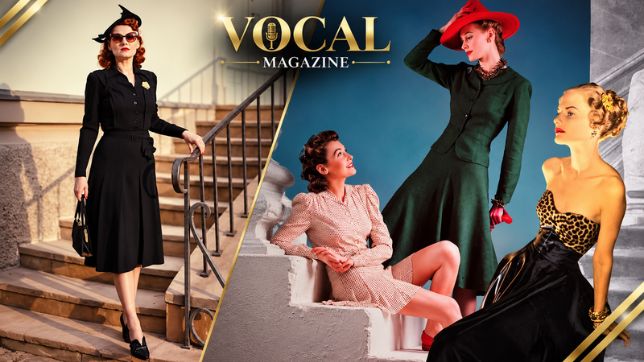
The 1940s was a remarkable decade in fashion history, shaped by World War II, economic challenges, and changing social roles. Despite wartime restrictions and material shortages, people continued to express their personalities through carefully selected accessories. From elegant hats and structured handbags to decorative brooches and practical scarves, 1940s Fashion Accessories combined beauty, functionality, and creativity.
Women’s clothing often featured tailored suits, fitted waists, and modest skirts, while men’s outfits emphasized clean lines and traditional elegance. Accessories completed these looks without requiring extensive new wardrobes. Understanding these vintage details reveals how people maintained their style during difficult times and why many of these designs remain influential today.
How World War II Influenced 1940s Fashion Accessories
World War II significantly affected clothing production and everyday dressing. Governments introduced restrictions on textiles, encouraging people to conserve materials and make existing garments last longer. In Britain, rationing limited clothing purchases, while American wartime regulations restricted certain manufacturing practices and fabric use.
These conditions encouraged practical fashion choices. Rather than purchasing numerous outfits, people refreshed familiar clothing with small accessories. A brooch could transform a plain jacket, while a colorful scarf added personality to a simple dress.
Women entering factories and other essential workplaces also needed practical accessories that suited their responsibilities. Men’s military service influenced civilian fashion, too, as utility, durability, and neat presentation became increasingly important.
Consequently, 1940s Fashion Accessories reflected a balance between wartime necessity and the desire to look polished.
Popular Women’s Accessories of the 1940s
1. Vintage Hats and Elegant Headwear
Hats were essential elements of women’s everyday wardrobes. Popular styles included small felt hats, berets, turbans, and structured designs decorated with veiling, feathers, or modest ornaments.
Because wartime restrictions sometimes made elaborate materials difficult to obtain, simpler hats offered an attractive alternative. Women coordinated headwear with coats, suits, and dresses to create a balanced appearance.
Vintage hats remain recognizable symbols of the decade’s sophisticated style.
2. Gloves for Everyday Elegance
Gloves provided warmth, cleanliness, and a polished finishing touch. Women commonly wore practical gloves during daytime activities, while dressier pairs complemented formal occasions.
Cotton, leather, and other available materials were used according to purpose and affordability. Neutral shades, including brown, black, cream, and beige, coordinated easily with existing wardrobes.
Short gloves suited everyday outfits, while longer styles could accompany more formal dresses.
3. Classic Handbags and Practical Purses
Handbags became particularly important because women needed convenient ways to carry personal belongings while working, shopping, and traveling.
Structured purses, small top-handle bags, and simple leather designs complemented tailored clothing. Neutral colors made handbags versatile, while decorative clasps and textured finishes added visual interest.
Material shortages encouraged people to repair existing bags rather than replace them unnecessarily. This practical approach helped preserve the appeal of classic handbags.
4. Brooches and Costume Jewelry
Brooches offered an affordable way to personalize otherwise simple clothing. Women pinned them to jacket lapels, dress necklines, collars, and coats.
Costume jewelry also provided decorative alternatives to expensive precious stones. Clip-on earrings, necklaces, bracelets, and decorative pins helped create attractive outfits without requiring costly fine jewelry.
Floral designs, geometric shapes, and imitation gemstones appeared in period jewelry. These pieces demonstrate how small details gave wartime wardrobes individuality.
5. Scarves, Belts, and Hair Accessories
Scarves served both decorative and practical purposes. Women tied them around their heads to protect their hair during work, wrapped them around their necks, or used them to introduce color into simple outfits.
Belts emphasized the waist, complementing the fitted silhouettes associated with 1940s clothing trends. Narrow and moderately sized belts worked particularly well with dresses and tailored suits.
Hair accessories were equally important. Hairpins, combs, ribbons, and decorative clips helped maintain carefully arranged hairstyles. The victory roll, for example, became an iconic hairstyle associated with the era.
Together, these details made 1940s Fashion Accessories adaptable to different activities, from factory work to social gatherings.
Shoes and Stockings During the 1940s
Women’s footwear generally prioritized practicality alongside appearance. Oxford shoes, pumps, and sturdy walking shoes suited different occasions. Lower heels were useful for working women, while dressier pumps complemented evening outfits.
Wartime shortages affected leather, rubber, and other shoe materials. Manufacturers sometimes used alternative materials, and consumers were encouraged to repair footwear and extend its useful life.
Stockings presented another challenge. Silk became less available during the war because it was needed for military purposes, while nylon production was redirected toward military supplies in the United States.
Women responded by making existing stockings last longer and, when necessary, using leg makeup to create the appearance of stockings. Some drew a line down the backs of their legs to imitate stocking seams.
These adaptations illustrate the resourcefulness behind vintage 1940s style.
Men’s Accessories in the 1940s
Men’s accessories emphasized neatness, practicality, and traditional tailoring. Hats, including fedoras and trilbies, were common additions to suits and smart everyday clothing.
Ties introduced color and pattern, while pocket squares provided a subtle decorative detail. Suspenders helped hold trousers in place, particularly with traditional high-waisted styles.
Wristwatches and pocket watches served practical purposes, although personal preferences and individual circumstances influenced which styles men wore. Leather belts, polished shoes, and understated cufflinks also complemented formal outfits.
Military uniforms influenced broader attitudes toward functional dressing, but civilian men’s fashion continued to include established tailoring traditions. These accessories helped men maintain a professional appearance without excessive decoration.
How People Maintained Style During Wartime
Wartime fashion encouraged ingenuity rather than eliminating personal expression. People repaired clothing, reused materials, altered older garments, and exchanged or repurposed accessories.
A plain dress could appear different with a contrasting belt, a scarf, and a carefully chosen brooch. Similarly, changing a hat or tie could refresh a familiar outfit without requiring an entirely new wardrobe.
Utility clothing programs also encouraged simpler designs and reduced unnecessary material consumption. However, restrictions varied between countries, so wartime experiences were not identical everywhere.
The lasting lesson of 1940s Fashion Accessories is that creativity can thrive even when resources are limited.
Styling 1940s Accessories in Modern Outfits
Vintage-inspired accessories offer an accessible way to incorporate retro fashion into contemporary wardrobes. You do not need a complete period costume to capture the decade’s character.
Pair a tailored blazer with a vintage brooch, or wear a midi dress with a structured handbag and low-heeled pumps. A silk-style headscarf can complement jeans and a simple blouse, while a classic fedora can add character to a tailored men’s outfit.
For a more authentic appearance, choose accessories that reflect the period’s shapes, materials, and styling. Avoid assuming that every modern reproduction accurately represents wartime fashion.
Mixing one or two vintage-inspired pieces with contemporary clothing creates a balanced look that feels wearable rather than theatrical.
Conclusion 1940s Fashion Accessories
The history of 1940s Fashion Accessories demonstrates how style adapted to economic hardship, material shortages, and changing lifestyles. Hats, gloves, handbags, jewelry, scarves, belts, shoes, stockings, and men’s accessories all contributed to the decade’s distinctive appearance.
Although wartime restrictions encouraged practicality, people continued to express individuality through thoughtful details and creative alternatives. Today, these accessories inspire vintage enthusiasts and contemporary designers alike.
By combining classic shapes with modern clothing, anyone can appreciate the elegance, resourcefulness, and enduring appeal of 1940s fashion.
Frequently Asked Questions (FAQs) 1940s Fashion Accessories
What were the most popular 1940s Fashion Accessories?
Popular accessories included vintage hats, gloves, structured handbags, brooches, costume jewelry, scarves, belts, Oxford shoes, and hair accessories. Men commonly wore fedoras, ties, suspenders, watches, and pocket squares.
How did World War II influence 1940s Fashion Accessories?
World War II caused material shortages and clothing restrictions. People repaired existing items, reused materials, and relied on accessories to refresh simple outfits without purchasing new clothing.
Why were hats so popular in the 1940s?
Hats were important elements of everyday dressing. Women wore berets, turbans, and small decorative hats, while men frequently chose fedoras and trilbies to complement their outfits.
What jewelry did women wear during the 1940s?
Women wore brooches, clip-on earrings, necklaces, bracelets, and costume jewelry. These accessories added color and personality to tailored suits, dresses, and coats.
How did women manage stocking shortages during World War II?
Silk and nylon stockings became difficult to obtain in some countries during the war. Women extended the life of existing stockings or used leg makeup and drawn lines to imitate the appearance of seamed stockings.
How can I style 1940s Fashion Accessories with modern clothing?
Pair a tailored blazer with a vintage brooch, wear a headscarf with a simple blouse, or combine a midi dress with a structured handbag and classic pumps. These combinations create a subtle retro appearance.
What shoes were fashionable during the 1940s?
Popular women’s footwear included Oxford shoes, pumps, and practical walking shoes. Styles balanced comfort, durability, and elegance, particularly during wartime shortages.
What made 1940s Fashion Accessories unique?
Their defining characteristics included practical designs, elegant shapes, understated decoration, and creative use of available materials. These accessories reflected the decade’s resourcefulness while preserving a strong sense of personal style.
1940s Fashion Accessories 1940s Fashion Accessories 1940s Fashion Accessories 1940s Fashion Accessories