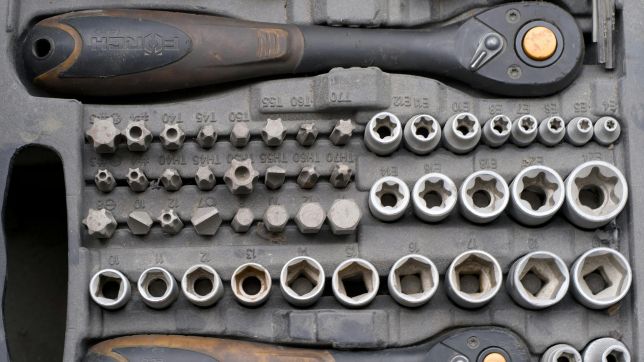
A pawl is a small but important mechanical component used in many machines and mechanical systems. Its primary purpose is to control movement by allowing motion in one direction while preventing movement in the opposite direction. It usually works together with a ratchet wheel or a series of notches to provide a reliable locking mechanism.
Pawls are commonly found in socket wrenches, automotive transmissions, bicycles, winches, windlasses, extension ladders, and small engines. Although a pa wl is often a relatively simple component, it plays an essential role in improving the safety, stability, and efficiency of mechanical equipment.
A pa wl is also known by other names, including a dog, click, or detent, depending on its design and application.
What Is a Pawl?
A pawl is a movable mechanical lever that engages with the teeth of a ratchet wheel or a specially designed notch. It is generally spring-loaded, allowing it to maintain contact with the ratchet mechanism while moving over its teeth.
The main function of a pa wl is to permit movement in one direction and prevent unwanted reverse movement. When the mechanism moves in the permitted direction, the pawl slides over the angled surfaces of the ratchet teeth. However, when movement occurs in the opposite direction, the pa wl catches against a tooth and locks the mechanism.
Pawls are manufactured in different shapes, sizes, and materials depending on the amount of force they must withstand. Common materials include hardened steel, stainless steel, and other durable metals.
How Does a Pawl Work?
The working principle of a pawl is based on mechanical engagement between the pa wl and a ratchet wheel. The mechanism uses specially shaped teeth to control movement and prevent backward rotation.
The operation of a typical pawl mechanism involves two main actions.
1. Forward Motion
When the ratchet wheel rotates in the permitted direction, the pawl moves over the sloped edges of its teeth. A spring may hold the pawl against the wheel while allowing it to lift slightly as each tooth passes.
This movement creates the familiar clicking sound associated with ratchet mechanisms. The wheel can continue rotating without being permanently locked by the pawl.
2. Reverse Locking
When the ratchet wheel attempts to rotate in the opposite direction, the pawl catches against the steep side of a tooth. This engagement prevents further reverse movement.
The pawl effectively acts as a mechanical stop, holding the connected component in position. This locking action is especially useful in equipment that must support loads or maintain a fixed position.
Main Components of a Pawl Mechanism
A typical pawl-and-ratchet mechanism contains several important components that work together.
- Pawl: The movable lever that engages with the ratchet teeth and prevents reverse movement.
- Ratchet Wheel: A circular wheel with specially shaped teeth that interact with the pa wl.
- Spring: Keeps the pa wl in contact with the ratchet wheel and helps it return to its working position.
- Pivot Point: Allows the pa wl to rotate or move when engaging and disengaging from the ratchet teeth.
- Housing: Supports and protects the internal mechanism in many applications.
Each component contributes to the reliable operation of the system.
Common Types of Pawls
Pawls come in several designs depending on their intended purpose and mechanical requirements.
1. Spring-Loaded Pa wl
A spring-loaded pa wl uses a spring to maintain contact with a ratchet wheel. It automatically returns to its engagement position after moving over a tooth.
This type is widely used in hand tools, bicycles, and various industrial machines.
2. Gravity-Operated Pa wl
A gravity-operated pa wl relies on its own weight to remain engaged with a ratchet wheel or locking surface. It does not necessarily require a separate spring.
These mechanisms can be useful in certain lifting and positioning applications.
3. Locking Pawl
A locking pawl is designed primarily to prevent unwanted movement. It engages with a notch or tooth to hold a mechanical component securely in a particular position.
Automotive parking mechanisms and industrial locking systems use similar principles.
4. Driving Pawl
A driving pawl transfers motion or force to a ratchet wheel. When engaged, it pushes the ratchet teeth to rotate the wheel in the required direction.
This design is useful in mechanical tools and indexing systems.
Common Applications of Pawls
Pawls are used in many everyday products and industrial machines. Their ability to control movement makes them valuable in applications where reverse motion must be restricted.
1. Socket Wrenches and Ratchets
One of the most familiar applications of a pawl is in a ratchet socket wrench. The internal pa wl engages with a toothed gear, allowing the wrench handle to turn a bolt in one direction while moving freely in the opposite direction during the return stroke.
This design makes tightening and loosening fasteners easier, especially in confined spaces where a complete handle rotation is difficult.
2. Automotive Parking Pawls
Automatic vehicles commonly use a parking pawl as part of their transmission system. When the driver selects the Park (P) position, the parking pawl engages with a toothed parking gear connected to the transmission output shaft.
This prevents the output shaft from rotating and helps keep the vehicle stationary.
The parking pa wl is an important part of the vehicle’s parking system, although it should not replace the parking brake, particularly on steep slopes.
3. Bicycle Freehubs
Many modern bicycles use pa wls inside their rear freehub mechanisms. These small components engage with internal ratchet teeth when the rider pedals forward.
When the rider stops pedaling, the pa wls disengage or click over the ratchet mechanism, allowing the rear wheel to continue rotating independently of the pedals.
This feature is what makes coasting possible on many bicycles.
4. Winches and Windlasses
Pa wls are essential components in many winches and windlasses used for lifting and pulling heavy loads.
They prevent the drum or gear mechanism from rotating backward when a load is being lifted or held in position. This helps reduce the risk of uncontrolled movement.
In heavy-duty equipment, pawls must be designed to withstand significant mechanical forces.
5. Extension Ladders
Some extension ladders use pa wl-like locking mechanisms to secure their sliding sections. These locking devices engage with ladder rungs to prevent the extended section from moving downward unexpectedly.
Proper engagement is important for ladder safety, and users should always inspect the locking mechanisms before climbing.
6. Small Engines
Small gasoline engines often use a pa wl mechanism in their recoil starting systems.
When the user pulls the starter cord, the pawls engage with specially designed grooves or projections on the engine’s flywheel. This transfers rotational force to the engine, helping it start.
After the engine starts, the mechanism disengages so the flywheel can rotate independently.
Advantages of Using a Pawl
Pawls offer several benefits that make them useful in mechanical equipment.
- Prevents Reverse Movement: Helps stop unwanted backward rotation or movement.
- Simple Construction: Usually consists of a small number of mechanical components.
- Reliable Operation: Provides dependable engagement when properly designed and maintained.
- Cost-Effective: Can be manufactured using relatively simple production methods.
- Compact Design: Fits into small mechanical assemblies and tools.
- Wide Applications: Can be used in automotive, industrial, mechanical, and household equipment.
Disadvantages of a Pawl
Despite their advantages, pawls also have certain limitations.
- Mechanical Wear: Repeated engagement can gradually wear down the pa wl and ratchet teeth.
- Noise: Some pa wl mechanisms produce clicking sounds during operation.
- Maintenance Requirements: Dirt, corrosion, and insufficient lubrication can affect performance.
- Load Limitations: A pa wl can fail if subjected to forces beyond its design capacity.
- Engagement Problems: Damaged springs or worn teeth may prevent proper locking.
Regular inspection and appropriate maintenance help reduce these problems and extend the service life of the mechanism.
Difference Between a Pawl and a Ratchet
Although the terms pa wl and ratchet are often used together, they refer to different parts of a mechanical system.
| Feature | Pawl | Ratchet |
| Definition | A movable locking or driving component | A toothed wheel or mechanism |
| Main Function | Engages with teeth to control movement | Provides teeth for engagement |
| Movement | Usually pivots or moves slightly | Usually rotates |
| Design | Often a lever-shaped component | Usually a toothed wheel |
| Purpose | Prevents reverse movement or transfers force | Allows controlled directional movement |
Both components work together to create a one-way motion or locking mechanism.
Maintenance and Care of Pawl Mechanisms
Proper maintenance is important for ensuring that a pa wl mechanism operates safely and efficiently. Since the pa wl repeatedly engages with the ratchet teeth, its surfaces can experience friction and wear over time.
Some useful maintenance practices include:
- Regular Inspection: Check the pa wl and ratchet teeth for cracks, damage, or excessive wear.
- Proper Lubrication: Apply suitable lubricant where recommended by the equipment manufacturer.
- Spring Inspection: Make sure the spring maintains sufficient tension to keep the pa wl properly engaged.
- Cleaning: Remove dust, dirt, and debris that may interfere with the locking mechanism.
- Replace Damaged Parts: Replace worn or damaged components instead of continuing to use an unreliable mechanism.
For safety-critical equipment, maintenance should always follow the manufacturer’s instructions.
Conclusion
A pawl is a simple yet essential mechanical component that controls movement by allowing motion in one direction while preventing unwanted reverse movement. Working together with a ratchet wheel or notched surface, it provides an effective method of locking, positioning, and transferring mechanical force.
From socket wrenches and bicycle freehubs to automotive parking systems, winches, extension ladders, and small engines, pawls play an important role in many modern mechanical applications.
Their compact design, reliable operation, and versatility make them valuable in both everyday tools and industrial machinery. Although regular inspection and maintenance are necessary to prevent wear and mechanical failure, the pa wl remains one of the most practical and widely used components for controlling one-way movement.