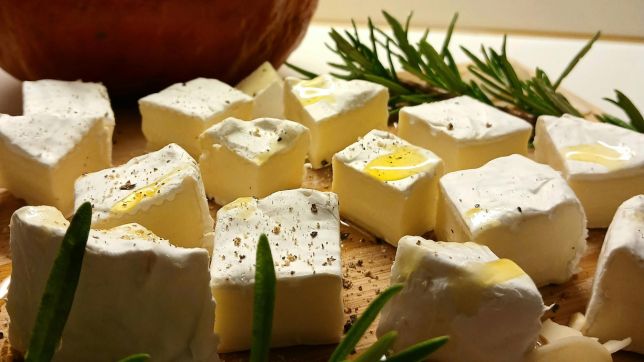
Cheese lovers are always looking for new flavors and textures that bring something special to their meals. Among the many interesting cheese combinations available today, Masgonzola stands out for its creamy consistency, rich taste, and distinctive blue-cheese character. It combines two well-known Italian cheeses, Gorgonzola and mascarpone, creating a delicious balance between boldness and smoothness. This combination offers an appealing alternative for people who enjoy blue cheese but prefer something less intense and more buttery.
Although Masgonzola may sound like an independent cheese variety, it is generally used as a name for the combination of Gorgonzola and mascarpone. This specialty brings together the earthy, slightly spicy flavor of blue cheese with the delicate sweetness and softness of mascarpone. Its versatility makes it suitable for pasta dishes, sandwiches, appetizers, and cheese boards.
Understanding its ingredients, flavor, texture, and culinary applications helps explain why this creamy cheese combination deserves attention in modern cooking.
What Is Masgonzola?
Masgonzola is a creamy cheese specialty made by combining Gorgonzola with mascarpone. Both ingredients have distinctive qualities that complement each other beautifully. Gorgonzola is an Italian blue cheese known for its characteristic blue-green veins and strong, tangy flavor. Mascarpone, on the other hand, is a soft Italian cream cheese recognized for its smooth consistency, mild sweetness, and rich buttery taste.
When these two cheeses are blended, the result is a softer and creamier product with a more balanced flavor than traditional Gorgonzola. The mascarpone reduces the sharpness of the blue cheese without completely hiding its distinctive character.
Masgonzola is commonly marketed under names such as Gorgonzola with Mascarpone or Gorgonzola e Mascarpone. Rather than representing a separate traditional cheese category, it describes a combination that brings together two established Italian dairy specialties.
The Origins of Its Two Main Ingredients
To understand Masgonzola, it is useful to explore the background of its primary ingredients.
Gorgonzola: The Bold Blue Cheese
Gorgonzola is one of Italy’s best-known blue cheeses. It has a long history and is traditionally associated with northern Italy, particularly the regions of Lombardy and Piedmont. Its distinctive appearance comes from the blue-green veins that develop during the cheese-making and aging process.
Gorgonzola is produced using cow’s milk and special cultures that help create its characteristic blue mold. Depending on the variety and aging period, its flavor can range from relatively mild and creamy to strong, salty, and spicy.
This cheese contributes the signature earthy taste and tangy personality to Masgonzola. Without Gorgonzola, the combination would lose much of its distinctive blue-cheese identity.
Mascarpone: The Creamy Italian Cheese
Mascarpone is another famous Italian dairy product, traditionally associated with the Lombardy region. Unlike many aged cheeses, it is a fresh, soft cheese with a thick, creamy consistency.
Its flavor is mild, slightly sweet, and buttery, making it popular in both sweet and savory recipes. Mascarpone is widely recognized as an essential ingredient in tiramisu, one of Italy’s most famous desserts.
In Masgonzola, mascarpone plays an important balancing role. It softens the stronger flavor of Gorgonzola and creates a smooth texture that is easy to spread, mix, and melt.
Flavor and Texture of Masgonzola
One of the most appealing characteristics of Masgonzola is its combination of contrasting flavors. It offers the recognizable taste of blue cheese while maintaining the softness and richness of a cream-based cheese.
The flavor can be described through several qualities:
- Creamy richness: Mascarpone provides a buttery and luxurious taste.
- Mild tanginess: Gorgonzola introduces a gentle sharpness that gives the cheese personality.
- Earthy notes: The blue cheese contributes a distinctive earthy flavor.
- Subtle sweetness: The mascarpone helps balance the saltiness and intensity.
- Mild spice: Depending on the Gorgonzola used, the combination may have a slightly spicy finish.
Its texture is equally interesting. Masgonzola is generally soft, smooth, and spreadable, although its consistency may vary depending on the proportions of the two cheeses. Some versions are thick enough to hold their shape when sliced, while others are better suited for spreading.
This balance makes it attractive to people who enjoy rich cheeses but find traditional blue cheese too strong.
How Is Masgonzola Made?
Masgonzola is made by combining prepared Gorgonzola with mascarpone. The process is relatively straightforward compared with the production of aged cheeses because both components are already established dairy products.
First, Gorgonzola is prepared by removing any unwanted rind and breaking the cheese into smaller pieces. Mascarpone is then added to create a smooth mixture. The ingredients are blended carefully until they achieve the desired consistency.
The proportions can be adjusted according to personal taste. A larger amount of Gorgonzola produces a stronger, more pronounced blue-cheese flavor. Adding more mascarpone creates a milder, softer, and creamier result.
Commercial producers may use different recipes and preparation techniques, so the final flavor and texture can vary between products.
Popular Culinary Uses of Masgonzola
Masgonzola is a versatile ingredient that can be incorporated into many different meals. Its creamy texture and balanced flavor make it suitable for simple snacks as well as more elaborate dishes.
1. Pasta Sauces
One of the best ways to use Masgonzola is in pasta sauces. It melts easily when heated gently, creating a rich and creamy coating for pasta.
It works particularly well with fettuccine, penne, tagliatelle, and gnocchi. A small amount of milk or cream can help achieve the desired consistency. Black pepper, garlic, and fresh herbs can also enhance its flavor.
For a simple meal, toss cooked pasta with melted Masgonzola and a little reserved pasta water. The result is a satisfying dish with a creamy texture and a pleasant blue-cheese taste.
2. Spread for Bread and Crackers
Masgonzola is an excellent spread for crusty bread, toasted baguettes, crackers, and savory biscuits. Its soft consistency makes it easy to apply without requiring extensive preparation.
It can be served on its own or combined with ingredients such as honey, walnuts, figs, and fresh herbs. These additions create an appealing contrast between creamy, salty, sweet, and crunchy textures.
This makes it a convenient option for breakfast, afternoon snacks, or party appetizers.
3. Cheese Boards
Cheese boards offer an opportunity to showcase different flavors and textures, and Masgonzola can be an interesting addition.
It pairs nicely with mild cheeses, aged hard cheeses, fresh fruit, nuts, and artisan crackers. Grapes, pears, apples, and dried figs are particularly suitable because their natural sweetness complements its savory flavor.
Including Masgonzola on a cheese board also gives guests an alternative to stronger blue cheeses.
4. Risotto and Other Rice Dishes
Masgonzola can add richness to risotto and other warm rice dishes. When stirred into freshly cooked rice, it creates a smooth consistency and introduces a pleasant tangy flavor.
It works especially well with mushrooms, spinach, caramelized onions, and roasted vegetables. These ingredients complement its earthy character and help create a balanced meal.
5. Sandwiches and Wraps
Another practical use is adding Masgonzola to sandwiches and wraps. It can replace traditional mayonnaise or other creamy spreads while providing a more distinctive flavor.
It pairs well with grilled chicken, roasted vegetables, fresh lettuce, tomatoes, and caramelized onions. A small amount is often enough to make an ordinary sandwich more flavorful.
Foods That Pair Well With Masgonzola
Food pairing is an important part of enjoying Masgonzola. Because it combines creamy richness with blue-cheese tanginess, it works well with ingredients that either complement its flavor or provide contrast.
Some excellent pairing options include:
| Food | Why It Works |
| Pears and apples | Natural sweetness balances the savory cheese. |
| Walnuts and almonds | Add a pleasant crunchy texture. |
| Honey | Provides sweetness that contrasts with blue-cheese tanginess. |
| Crusty bread | Offers a neutral base for its rich flavor. |
| Mushrooms | Complement its earthy notes. |
| Grapes and figs | Add freshness and natural sweetness. |
| Pasta and potatoes | Work well with its creamy consistency. |
For beverages, it can also be served with suitable white wines, light-bodied reds, or nonalcoholic options such as sparkling water and apple juice. The best pairing depends on the intensity of the Gorgonzola used.
Nutritional Profile of Masgonzola
Masgonzola contains nutrients from both Gorgonzola and mascarpone. Since both ingredients are dairy products, the combination provides protein, calcium, and fat.
However, its nutritional composition depends on the recipe, ingredient proportions, and serving size.
Some of its nutritional characteristics include:
- Protein: Supports muscle maintenance and normal body functions.
- Calcium: Contributes to healthy bones and teeth.
- Fat: Provides energy and contributes to its rich texture.
- Vitamin A: Supports normal vision and immune function.
- Vitamin B12: Plays a role in nerve function and red blood cell production.
Despite these nutrients, Masgonzola is relatively rich in calories and saturated fat. It may also contain considerable sodium because Gorgonzola is a naturally salty cheese.
For this reason, moderate portions are a sensible choice. People who need to monitor sodium, saturated fat, or overall calorie intake should consider the nutritional information provided on the product label.
Storage and Serving Tips
Proper storage helps maintain the flavor, texture, and quality of Masgonzola. Since it contains soft dairy ingredients, it should be refrigerated and handled carefully.
Here are some useful storage recommendations:
- Keep it refrigerated: Store Masgonzola in the refrigerator according to the manufacturer’s instructions.
- Use an airtight container: This helps prevent the cheese from absorbing odors from other foods.
- Avoid leaving it outside: Do not leave it at room temperature for extended periods.
- Check freshness: Follow the use-by date and discard the product if it develops unusual odors, textures, or signs of spoilage.
- Serve at a suitable temperature: Allowing a small portion to soften briefly before serving can improve its spreadability and flavor.
For the best experience, serve only the amount needed and return the remaining cheese to the refrigerator promptly.
Is Masgonzola Different From Regular Gorgonzola?
Yes. Although the two share an important ingredient, they have noticeable differences in taste, texture, and culinary applications.
| Feature | Masgonzola | Regular Gorgonzola |
| Main ingredients | Gorgonzola and mascarpone | Gorgonzola cheese |
| Texture | Soft, creamy, and spreadable | Soft to firm, depending on variety |
| Flavor | Milder and more buttery | Tangy, earthy, and sometimes spicy |
| Intensity | Generally less intense | Can be quite strong |
| Common uses | Spreads, sauces, appetizers | Pasta, salads, sauces, cheese boards |
The main difference is the addition of mascarpone. It softens Gorgonzola’s stronger characteristics and makes the combination more versatile for different recipes.
Why Is Masgonzola Becoming an Interesting Cheese Choice?
The popularity of creative cheese combinations reflects the growing interest in versatile ingredients that offer convenience and distinctive flavors. Masgonzola fits this preference because it brings together two familiar Italian cheeses in one product.
Its mildness makes it approachable for people who are not accustomed to strong blue cheeses. At the same time, its rich texture appeals to experienced cheese lovers who appreciate more complex flavors.
Another advantage is its flexibility. It can be served directly from the refrigerator after softening slightly, incorporated into warm recipes, or combined with sweet and savory ingredients.
Rather than requiring complicated preparation, it provides an easy way to introduce creamy blue-cheese flavor into everyday meals.
Conclusion
Masgonzola is an appealing cheese combination that brings together the bold character of Gorgonzola and the smooth richness of mascarpone. Although it is not generally recognized as an independent traditional cheese variety, its unique combination offers a distinctive taste and texture that deserves attention.
From creamy pasta sauces and delicious sandwiches to elegant cheese boards and simple appetizers, Masgonzola provides plenty of culinary possibilities. Its balance of earthy, tangy, buttery, and mildly sweet flavors makes it suitable for both everyday meals and special occasions.
For anyone interested in exploring Italian cheese specialties, Masgonzola is worth trying. It demonstrates how two established ingredients can complement each other and create a versatile product that makes different dishes richer, smoother, and more enjoyable.
Frequently Asked Questions (FAQs)
What is Masgonzola?
Masgonzola is a creamy cheese combination made by blending Gorgonzola blue cheese with mascarpone. It offers a balance of tangy, earthy flavors and smooth, buttery richness.
Is Masgonzola a traditional Italian cheese?
Masgonzola is not generally recognized as an independent traditional cheese variety. It is commonly marketed as Gorgonzola with Mascarpone or Gorgonzola e Mascarpone.
What does Masgonzola taste like?
Masgonzola has a creamy, buttery flavor with mild tanginess, earthy notes, and a subtle blue-cheese sharpness. It is generally milder than regular Gorgonzola.
What are the main ingredients in Masgonzola?
The two main ingredients are Gorgonzola and mascarpone. Gorgonzola provides the distinctive blue-cheese flavor, while mascarpone adds smoothness and richness.
How can Masgonzola be used in cooking?
Masgonzola can be used in pasta sauces, risotto, sandwiches, wraps, appetizers, and cheese boards. It also works well as a spread for bread and crackers.
Does Masgonzola melt easily?
Yes, Masgonzola softens and melts easily when gently heated, making it suitable for creamy pasta sauces and other warm dishes.
Is Masgonzola milder than Gorgonzola?
Yes. The addition of mascarpone reduces the intensity of Gorgonzola, producing a smoother and milder flavor.
What foods pair well with Masgonzola?
Masgonzola pairs well with pears, apples, grapes, figs, walnuts, honey, crusty bread, mushrooms, and pasta.
Is Masgonzola nutritious?
It provides protein, calcium, vitamin A, and vitamin B12. However, it can also be high in calories, saturated fat, and sodium, so moderate consumption is recommended.
How should Masgonzola be stored?
Store Masgonzola in the refrigerator in an airtight container. Follow the manufacturer’s storage instructions and use-by date to maintain its freshness and quality.