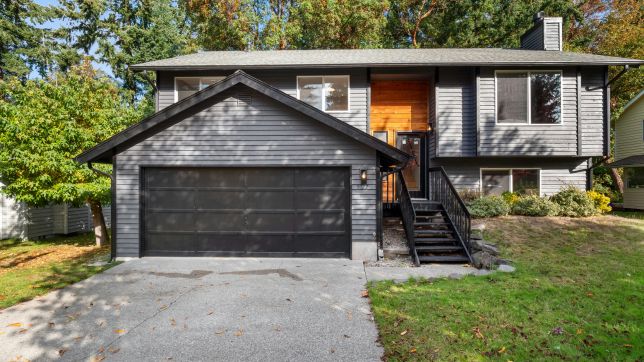
Your garage door is one of the largest moving mechanical assets in your home. It provides security, enhances curb appeal, and protects your vehicles and stored belongings from the elements. When this essential system begins to malfunction, homeowners are immediately faced with a critical decision. Should you invest in targeted fixes, or is it time to consider a complete upgrade?
Understanding the fundamental difference between these two paths is the first step toward making an informed choice. Garage door repairs involve diagnosing and fixing specific, isolated components that have failed. This could mean replacing a broken spring, realigning a track, or fixing a malfunctioning motor. The goal is to restore the existing system to proper working order without changing the door itself.
On the other hand, garage door replacements entail removing the entire existing assembly and installing a brand new system. This comprehensive approach includes new door panels, fresh hardware, updated tracks, and often a modern garage door opener. While repairs address immediate symptoms, replacements resolve underlying systemic wear and offer an opportunity to upgrade to a safer, more efficient, and more aesthetically pleasing model. Making the right call requires evaluating several key factors about your current setup.
The Decision Framework: When to Repair and When to Replace
To determine the most practical and cost effective path forward, it is helpful to apply a structured decision framework. This framework relies on four primary pillars: the age of the door, the extent of the damage, the frequency of past issues, and a direct financial comparison.
Evaluating the Age and Garage Door Lifespan
The age of your current door is a major indicator of its remaining viability. The average garage door lifespan varies significantly based on the material and how well it has been maintained. A high quality steel or aluminum sectional door, when regularly serviced, can easily last between fifteen and thirty years. Wooden doors, while beautiful, are more susceptible to environmental factors such as moisture, warping, and rot, often requiring replacement or major restoration within ten to fifteen years.
If your door is approaching or has already surpassed the fifteen year mark, the internal components are likely nearing the end of their operational cycles. Torsion springs and extension springs are rated for a specific number of cycles, typically between ten thousand and twenty thousand open and close movements. Once a door reaches this age, replacing individual parts becomes a temporary fix rather than a long term solution. At this stage, investing in a new system is often the wisest choice to ensure reliability and safety.
Assessing the Extent of Damage
Not all damage is created equal. Minor issues, such as a frayed cable, a worn roller, or a misaligned safety sensor, are straightforward to address through standard maintenance. However, structural damage changes the equation entirely. If the door panels are severely dented, rusted, or warped, the integrity of the entire system is compromised.
Damage to the foundational framework, such as bent vertical tracks or a rotted wooden header, also signals a deeper problem. When multiple panels are damaged or the core structure is failing, patching the door will not restore its strength or security. In these scenarios, a complete replacement is the only safe and practical route to protect your home.
Tracking the Frequency of Past Repairs
Pay close attention to the maintenance history of your door. A reliable garage door should operate smoothly for years with only basic annual servicing. If you find yourself calling for automatic garage door repair multiple times within a single year, the system is signaling a systemic failure.
Frequent adjustments to the photoelectric safety sensors, recurring opener malfunctions, or repeated spring replacements are clear indicators that the entire assembly is wearing out simultaneously. When a door requires constant attention, it becomes an ongoing source of frustration and potential safety hazards. A pattern of frequent breakdowns strongly suggests that the cumulative wear has exceeded the point of economical repair.
Cost Comparison: Repeated Repairs Versus the Cost of New Garage Door
Financial practicality is a crucial element of the decision making process. While a single repair might appear to be the budget friendly option, the cumulative cost of repeated fixes can quickly surpass the cost of new garage door installation.
For example, if your aging door requires a new motor, upgraded tracks, and fresh springs, the combined cost of parts and labor might reach a significant fraction of the price of a brand new, fully insulated door. A widely accepted industry rule of thumb is the fifty percent rule. If the estimated cost of the necessary repairs exceeds fifty percent of the price of a new door, replacement becomes the logical and more economical choice. A new door not only resolves all current issues but also eliminates the likelihood of near future breakdowns, providing better long term value.
What Is Included in a Full Garage Door Replacement?
When you opt for garage door replacements, you are investing in a comprehensive, turnkey solution. A professional installation involves much more than simply hanging new panels. A complete replacement package typically includes several critical components designed to work together seamlessly.
First, you will receive the new door sections themselves. Modern doors offer significant upgrades in materials and design, including insulated steel with high R values for improved energy efficiency, which helps regulate the temperature in your garage and adjacent living spaces.
Second, the installation includes all new hardware. This means heavy duty tracks, fresh nylon or steel rollers, new torsion or extension springs, and updated lifting cables. Reusing old hardware with a new door is a safety risk and is never recommended by reputable professionals.
Third, a full replacement often includes an assessment or upgrade of the garage door opener. Older openers may lack modern safety features. A new installation ensures compatibility with current safety standards, including auto reverse mechanisms that stop the door if an obstacle is detected, and rolling code technology that prevents code grabbing by potential intruders. Finally, the service includes new weather seals along the bottom and sides to keep out drafts, dust, and pests.
What to Expect from a Direct Garage Door Repair
Conversely, a targeted repair focuses on restoring functionality to your existing system without replacing the entire unit. This approach is highly effective for relatively new doors that have experienced an isolated mechanical failure or for minor wear and tear.
A professional technician performing a repair will first conduct a thorough safety inspection. If a torsion spring has snapped, they will safely release the tension and install a new, correctly rated spring. If the door is making excessive noise, they may replace standard metal rollers with quiet, durable nylon rollers.
The repair process also involves realigning bent tracks, tightening loose hardware, and lubricating all moving parts to reduce friction. Crucially, the technician will test the balance of the door. A properly balanced door should stay in place when lifted halfway manually. If it falls or rises on its own, the spring tension is incorrect. The technician will also verify that the photoelectric safety sensors are correctly aligned and that the auto reverse feature is functioning properly. This targeted approach extends the life of your current door efficiently and affordably.
Guarantees and Warranties: What a Reputable Installer Should Provide
Regardless of whether you choose repair or replacement, the quality of the service and materials is paramount. A trustworthy company will always stand behind their work with clear, written guarantees. Understanding what to expect from these warranties protects your investment and gives you peace of mind.
For garage door replacements, you should expect a comprehensive manufacturer warranty. This warranty covers the door panels, hardware, and opener against manufacturing defects. Depending on the material and the brand, this coverage can range from one year for basic components to a lifetime warranty for high end steel panels.
In addition to the manufacturer warranty, a reputable installer will provide a labor guarantee. This ensures that the installation itself is free from workmanship errors for a specified period, typically one to two years. If a track becomes misaligned due to improper initial fitting, the labor guarantee ensures it will be corrected at no additional cost to you.
For repairs, a solid labor warranty on the specific parts replaced is a hallmark of quality service. For instance, if a new spring is installed, the company should guarantee both the part and the labor used to install it for a reasonable period. Always ask for warranty details in writing before any work begins, and be wary of providers who hesitate to offer clear guarantees on their craftsmanship.
Making the Final Decision for Your Home
Deciding between fixing your current system and installing a new one does not have to be an overwhelming process. By carefully evaluating the age of your door, the extent of any damage, the frequency of past issues, and the long term financial implications, you can arrive at a clear and confident decision.
If your door is relatively new and the issue is minor, a professional repair will restore smooth operation quickly. However, if your door is aging, showing signs of structural fatigue, or requiring constant attention, investing in a modern replacement is the safest and most valuable choice for your property. A new door enhances security, improves energy efficiency, and elevates the overall aesthetic of your home.