Radiators are one of the few things in a home that you cannot hide, yet most people choose them last. If your current ones look tired or take ages to warm a room, you may have wondered whether upgrading is worth the money.
This guide looks at what designer radiators offer, how they perform, what they cost and when a simpler option makes more sense.
What Are Designer Radiators and How Do They Differ From Standard Panels?
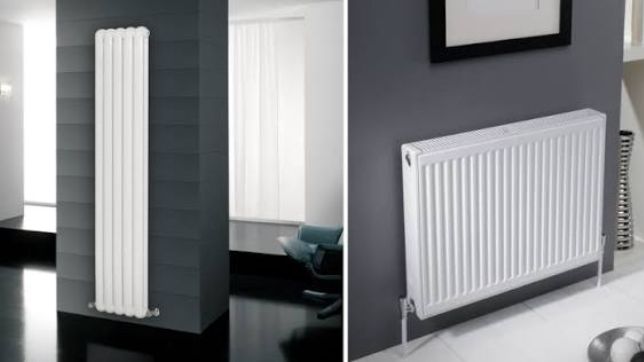
Designer radiators are heating products where appearance matters as much as output. Instead of a plain white panel on the wall, they come in shapes, sizes and finishes that suit the room, from slim vertical panels to sculptural columns, mirrored units and heated towel rails.
Common types include:
- Vertical radiators for narrow walls where width is limited.
- Horizontal flat panel radiators with clean lines for modern interiors.
- Column radiators with a traditional look that suits period and contemporary homes alike.
- Heated towel rails that warm the bathroom and dry towels.
- Mirror radiators that combine heating with a wall feature.
Style and Design: How Designer Radiators Turn Heating Into a Room Feature
The biggest benefit of designer radiators is visual. A well-chosen radiator can anchor a room, using height, texture and colour to add character rather than blending into the wall.
When you choose a style, think about:
- Space. Tall, slim units free up floor and furniture space in small rooms and hallways.
- Period. Column designs suit older homes, while flat panels suit minimalist interiors.
- Finish. White is the safe choice, while anthracite, black and metallic finishes make a statement. Choose colour for looks, since it has very little effect on how much heat the radiator gives out.
- Room use. Bathrooms need towel rails, while living rooms and kitchens often suit larger statement units.
Performance and Heat Output: Does a Designer Radiator Actually Heat Better?
A radiator’s heat output depends on its size, material, construction and the temperature of the water inside it, not on how stylish it looks. A designer model is not automatically better at heating, so check the output figures rather than assuming.
Which Radiator Material Performs Best: Steel, Aluminium or Cast Iron?
- Steel is the most common material. It is durable, widely available and works well with most systems.
- Aluminium conducts heat quickly and holds little water, so it warms up fast and responds quickly to the controls. It needs suitable water treatment to prevent corrosion.
- Cast iron holds a lot of water, so it is slow to warm up but keeps releasing heat long after the boiler stops.
How to Read Radiator Heat Output Ratings Correctly?
Output is normally measured in watts or BTUs and is usually quoted at ΔT50, which assumes the water is on average 50°C hotter than the room. If your system runs cooler, as most heat pumps do, the real output will be noticeably lower than the figure on the product page. Always check the output at your own operating temperature.
How to Choose the Right Radiator Size for Each Room?
Work out the heat each room needs, using a BTU calculator or a heat loss calculation, and then choose a radiator that meets or slightly exceeds it. An undersized radiator will struggle on cold days, while an oversized one costs more upfront for no benefit unless you plan to run a lower flow temperature.
Where Column Radiators Fit Into a Budget-Friendly Heating Upgrade?
Designer pieces can cost far more than a basic panel, and not every room needs one. For many homes, affordable column radiators offer the best balance between character and cost. They give you the traditional look, steady heat and plenty of surface area, without the price of a bespoke statement piece.
A practical approach is to spend more on the rooms people see and use most, such as the living room and hallway, and choose affordable column radiators or standard panels for bedrooms and utility spaces.
Value for Money: Upfront Cost, Running Costs and Property Appeal
What Designer Radiators Cost Compared With Basic Panels
A basic panel radiator is the cheapest option. Designer radiators cost more, and the price depends on size, material and finish. Compare the output per pound, not just the sticker price, and ask whether fitting costs, valves and fittings are included.
Can Designer Radiators Lower Your Running Costs?
The savings come from sizing and materials, not the designer label. A correctly sized radiator on a balanced, well-maintained system uses fuel efficiently. Aluminium units heat up quickly and hold less water, which can reduce the energy needed to bring a room up to temperature. The actual saving depends on your home, your tariff and how you use the heating, so treat any specific figure with caution.
Do Designer Radiators Add Appeal for Future Buyers?
Buyers notice heating that looks good and works well, and warm, tidy rooms photograph and show better. There is no reliable data that puts a price on designer radiators specifically, so think of the benefit as appeal and comfort rather than a guaranteed increase in value.
Heat Pumps and Designer Radiators: What to Check Before You Buy
If you plan to fit a heat pump, radiator choice matters even more. Heat pumps run at lower flow temperatures, so radiators need more surface area to deliver the same warmth. Larger designer radiators, double panels and column designs can all work, but check their output at low temperatures and ask your installer to confirm the sizing.
How to Choose the Right Designer Radiator Step by Step?
- Measure the wall and note any obstacles such as windowsills, furniture and pipework.
- Calculate the heat each room needs using a BTU calculator or a professional heat loss figure.
- Pick a material that suits your system and how quickly you want the room to warm up.
- Check the output at your operating temperature, not just at ΔT50.
- Choose the style and finish that fit the room, and then check the weight and fixings your wall will need.
- Flush and balance the system when fitting, and use a suitable inhibitor.
When Designer Radiators Are Worth the Extra Investment?
- You want the radiator to be a feature in a living room, hallway or bathroom.
- Wall space is limited and a tall or slim design solves the problem.
- You are renovating and want heating that matches the new look.
- You plan to stay long enough to enjoy the upgrade.
They are less compelling if you only need basic heat in a spare room or you are on a tight budget. In that case, standard panels or affordable column radiators give you most of the benefit for much less.
Frequently Asked Questions About Designer Radiators
Are designer radiators more efficient than standard radiators?
Not automatically. Efficiency depends on size, material and how well the system is balanced. Aluminium models can respond faster, but a well-sized standard radiator also performs well.
Are designer radiators worth the extra cost for most homes?
They are worth it where appearance matters or where space is limited. If you only need heat, a standard panel or affordable column radiators may be better value.
Do column radiators work well with a standard central heating system?
Yes. Column radiators work with most systems and give steady heat. They hold more water than panels, so they take longer to warm up, but they release heat for longer.
Does the colour of a radiator change how much heat it gives out?
The effect is very small. Choose the colour for style, and choose the size by checking the output rating.
Can I use designer radiators with an air source or ground source heat pump?
Yes, as long as the output is sufficient at the lower flow temperature. Check the manufacturer’s output tables and get your installer to confirm.
The Verdict: Are Designer Radiators Worth It for Your Home?
For many homeowners, designer radiators are worth it when you want heating that looks good and works well, as long as you size them correctly and check the output rating. Use them where they matter most, choose affordable column radiators or standard panels elsewhere, and look after the system so it keeps performing.