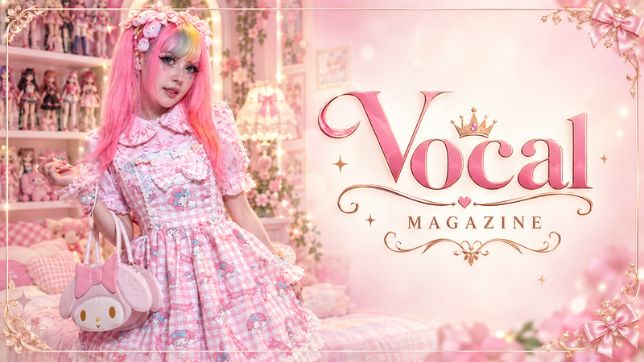
Harajuku fashion is one of the most recognizable and influential street fashion movements in the world. Originating in the Harajuku district of Tokyo, Japan, this unique fashion culture is famous for its colorful outfits, creative combinations, unusual accessories, and fearless approach to personal style. Unlike traditional fashion trends that often follow specific rules, Harajuku fashion encourages individuals to express their personalities through clothing, hairstyles, makeup, and accessories. It brings together several different fashion subcultures, including Lolita, Decora, Gyaru, Visual Kei, Gothic, and Fairy Kei.
Over the years, Harajuku fashion has developed from a local Japanese youth movement into an international cultural phenomenon. Its influence can be seen in modern streetwear, alternative fashion, music, entertainment, and designer collections. More importantly, it represents freedom, individuality, and the confidence to be different. Today, Harajuku fashion continues to inspire people who want to create their own identities rather than simply follow mainstream trends.
1. What Is Harajuku Fashion?
Harajuku fashion is an umbrella term for various Japanese street fashion styles that developed around the Harajuku neighborhood of Tokyo. The area is particularly associated with Takeshita Street, Ura-Harajuku, and Laforet Harajuku, where fashion boutiques, independent designers, and creative young people have helped shape its identity.
The main characteristic of Harajuku fashion is its diversity. Some outfits feature pastel colors, cute accessories, and vintage-inspired clothing, while others include dark makeup, leather jackets, dramatic hairstyles, and punk-inspired designs.
There is no single way to dress in Harajuku fashion. People can combine different styles, experiment with unusual clothing, and develop completely individual looks. This flexibility makes the movement attractive to people who enjoy creativity and self-expression.
2. The History and Origins of Harajuku Fashion
The origins of Harajuku fashion can be traced back to the years following World War II. During this period, Western cultural influences became increasingly visible in Japan, particularly around areas associated with American military personnel and their families.
One important location was Washington Heights, a residential complex for American military personnel that influenced the cultural development of the Harajuku area. Western music, entertainment, clothing, and lifestyle trends gradually became popular among Japanese young people.
During the 1970s and 1980s, Harajuku developed into an important gathering place for fashion-conscious teenagers and creative communities. One notable youth movement was the Takenoko-zoku, a group of young dancers who gathered around pedestrian areas in colorful outfits and performed energetic dance routines.
By the 1990s, Harajuku had become internationally recognized for its unusual street fashion. Photographers, designers, musicians, and fashion enthusiasts began documenting its growing subcultures.
A major turning point came in 1997 when Japanese photographer Shoichi Aoki launched FRUiTS Magazine. The publication featured photographs of real people wearing distinctive street outfits in Harajuku. It helped introduce Japanese street fashion to international audiences and influenced fashion enthusiasts around the world.
3. Popular Styles of Harajuku Fashion
Harajuku fashion includes several unique subcultures, each with its own visual identity, clothing preferences, and cultural influences.
Lolita Fashion
Lolita fashion is one of the most recognizable Harajuku styles. It draws inspiration from Victorian clothing and 17th- and 18th-century European Rococo aesthetics.
The style typically includes bell-shaped skirts, lace decorations, ribbons, petticoats, elegant blouses, and decorative headpieces. Its three major variations include:
- Sweet Lolita: Features pastel colors, cute patterns, bows, and playful accessories.
- Gothic Lolita: Combines dark colors, lace, crosses, and dramatic Victorian-inspired clothing.
- Classic Lolita: Focuses on elegant silhouettes, traditional patterns, and softer colors.
Lolita fashion emphasizes elegance, craftsmanship, and detailed styling.
Decora Fashion
Decora fashion is known for its bright colors, playful combinations, and excessive accessories. It represents a cheerful and energetic approach to dressing.
People who follow this style often wear colorful shirts, layered skirts, patterned socks, plastic jewelry, colorful hair clips, and cartoon-inspired accessories. Neon pink, yellow, blue, and green are especially popular.
The central idea of Decora is that more accessories create a more expressive appearance. It celebrates imagination and rejects the idea that clothing must always look simple or coordinated.
Gyaru Fashion
Gyaru is a rebellious Japanese fashion subculture influenced by Western trends. It became especially popular during the 1990s and early 2000s.
Traditional Gyaru fashion often features dyed or bleached hair, dramatic eye makeup, fashionable clothing, platform shoes, and bold accessories. Different branches developed over time, including Kogaru and Manba.
Gyaru fashion became popular because it challenged conventional Japanese beauty standards and encouraged young women to create their own appearances.
Visual Kei and Gothic Fashion
Visual Kei is a fashion and music movement influenced by Japanese rock and metal culture. Its appearance often includes dramatic hairstyles, dark makeup, unusual clothing, leather accessories, and androgynous styling.
Gothic fashion shares some similarities with Visual Kei but places greater emphasis on dark colors, Victorian influences, lace, corsets, and dramatic silhouettes.
Both styles demonstrate how music and fashion can work together to create powerful personal identities.
Kawaii and Fairy Kei Fashion
Kawaii fashion focuses on cuteness, innocence, and playful visual details. It often features pastel colors, cartoon characters, oversized sweaters, cute bags, and adorable accessories.
Fairy Kei is a related aesthetic inspired by 1980s toys, nostalgic cartoons, and retro Western pop culture. Lavender, mint green, baby pink, and light blue are common colors.
These styles appeal to people who enjoy nostalgic designs and cheerful outfits.
4. The Role of Takeshita Street in Harajuku Fashion
Takeshita Street is one of the most famous locations associated with Harajuku fashion. Situated near Harajuku Station in Tokyo, it is known for its independent boutiques, colorful clothing stores, accessory shops, themed cafés, and fashionable visitors.
The street provides an environment where people can discover unusual clothing, experiment with different styles, and explore Japanese youth culture.
Nearby locations, including Ura-Harajuku and Cat Street, also contribute to the area’s fashion identity. Together, these neighborhoods support independent designers, vintage retailers, and creative fashion businesses.
5. How Harajuku Fashion Influenced Global Fashion
Harajuku fashion has influenced international fashion in several important ways. Its emphasis on individuality encouraged designers and fashion enthusiasts to move beyond traditional clothing combinations.
International musicians, celebrities, photographers, and designers have helped introduce Japanese street style to wider audiences. The movement has also influenced alternative fashion communities in Europe, North America, and other parts of Asia.
Elements of Harajuku fashion can now be found in:
- Colorful streetwear and oversized clothing.
- Creative layering and unusual accessories.
- Kawaii-inspired clothing and merchandise.
- Gothic and punk fashion collections.
- Experimental hairstyles and makeup.
- Independent fashion brands and alternative communities.
Its influence demonstrates that fashion does not need to follow a single cultural standard to become internationally successful.
6. Harajuku Fashion in the Modern Era
Harajuku fashion has changed considerably in recent years. In the past, weekends often brought large groups of fashion enthusiasts to the neighborhood, where they displayed their outfits and connected with people who shared similar interests.
Today, social media platforms such as Instagram, TikTok, and Pinterest have created new opportunities for Harajuku-inspired fashion to reach international audiences.
Physical street gatherings have become less central to the scene, while independent boutiques, online communities, and smaller fashion events continue to support its development.
Modern destinations such as Harakado have also contributed to the changing creative environment of Harajuku. Although fashion trends continue to evolve, the neighborhood remains an important destination for people interested in Japanese street culture.
7. Why Is Harajuku Fashion So Popular?
Harajuku fashion remains popular because it offers something different from conventional fashion trends. Instead of encouraging everyone to wear similar clothing, it celebrates personal creativity and individual preferences.
There are several reasons behind its continuing popularity:
Freedom of Expression: People can use clothing to communicate their personalities, interests, and emotions.
Creative Experimentation: Harajuku encourages unusual combinations of colors, textures, patterns, and accessories.
Cultural Diversity: Its different subcultures allow people with different tastes to find a style that suits them.
International Influence: Social media and fashion publications have introduced its unique aesthetics to audiences worldwide.
Individual Identity: It provides an opportunity to stand out and develop a recognizable personal appearance.
These qualities make Harajuku fashion more than a temporary trend. It is a cultural movement that continues to evolve with new generations.
8. How to Create Your Own Harajuku-Inspired Outfit
Creating a Harajuku-inspired outfit does not require expensive designer clothing. The most important thing is to understand the style you want and experiment with pieces that reflect your personality.
Start by choosing a particular aesthetic, such as Sweet Lolita, Decora, Gothic, or Fairy Kei. Select clothing that matches its colors and overall appearance.
Next, experiment with layering. Combining skirts, jackets, shirts, sweaters, and decorative accessories can create a more interesting outfit.
Accessories also play an important role. Hair clips, colorful socks, necklaces, handbags, ribbons, and unique shoes can transform a simple combination into an expressive fashion statement.
Finally, remember that Harajuku fashion is about individuality. You do not need to copy another person’s appearance. Creating something original is one of the best ways to appreciate its philosophy.
9. The Future of Harajuku Fashion
The future of Harajuku fashion will likely involve a combination of traditional Japanese street culture and modern digital creativity. Social media will continue connecting independent designers, fashion communities, and international audiences.
Sustainable fashion may also become increasingly important, with vintage shopping, secondhand clothing, and creative outfit recycling offering alternatives to mass-produced fashion.
New generations will continue introducing fresh ideas while preserving the original spirit of experimentation. Although particular styles may become more or less popular, the fundamental values of individuality, creativity, and freedom will remain important.
Conclusion
Harajuku fashion is much more than a collection of colorful outfits and unusual accessories. It represents a rich cultural movement built around creativity, individuality, and freedom of expression. From Lolita and Decora to Gyaru, Visual Kei, and Fairy Kei, its different subcultures demonstrate the many ways people can use fashion to express themselves.
What began as a local youth movement in Tokyo has developed into an internationally recognized fashion phenomenon. Through magazines, independent boutiques, street photography, and social media, Harajuku fashion continues to inspire new generations.
Ultimately, the greatest lesson of Harajuku fashion is that personal style should not be limited by conventional rules. Whether someone prefers elegant dresses, colorful accessories, gothic clothing, or nostalgic pastel outfits, there is room for creativity and individuality. This fearless approach is what makes Harajuku fashion timeless and culturally significant.