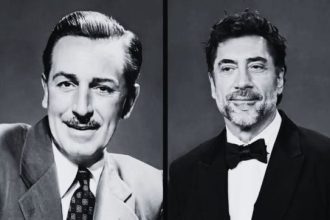
Tyra Banks and Greg Hayes are two prominent American figures who have built successful careers in very different industries. Banks became internationally recognized through modeling, television, entertainment, and entrepreneurship, while Hayes established his reputation in corporate leadership and the aerospace and defense sector. Although their professional paths appear unrelated, both careers demonstrate the importance of adaptability, leadership, innovation, and long-term vision.
Tyra Banks transformed the traditional image of a fashion model by becoming a television personality, producer, entrepreneur, and businesswoman. Greg Hayes, meanwhile, developed a career in corporate management and eventually became a major executive at United Technologies before leading the company that emerged from its merger with Raytheon. Their stories provide an interesting comparison of how individuals can influence industries through different forms of leadership.
Tyra Banks: From Modeling to Global Recognition
Tyra Banks was born on December 4, 1973, in Inglewood, California. She entered the modeling industry as a teenager and quickly developed an international career. During a period when the fashion industry had limited representation of Black women, Banks became one of the models who helped broaden opportunities and visibility.
Her modeling career took her to major fashion markets and prominent publications. She worked with leading designers and appeared in major advertising campaigns. However, her ambitions extended beyond modeling. Banks understood that a successful career in entertainment could involve much more than appearing in front of a camera.
Her transition into television became one of the most important stages of her career. She became widely known as the host and creator of America’s Next Top Model, a reality television program that introduced viewers to the competitive world of fashion modeling. The show became an international franchise and helped establish Banks as a television personality and producer.
Building a Career Beyond Fashion
One of the most notable aspects of Tyra Banks’s career is her ability to move between industries. She did not remain dependent on modeling as her primary professional identity. Instead, she explored television, production, acting, education, and entrepreneurship.
Banks also became associated with The Tyra Banks Show, a daytime talk show that allowed her to develop another public-facing role. Through television, she was able to communicate with audiences in a way that was very different from her earlier modeling career.
Her professional development illustrates the value of building transferable skills. Modeling gave her visibility and industry experience, while television allowed her to develop communication, production, and leadership abilities. Entrepreneurship then provided another platform through which she could develop businesses and personal brands.
Greg Hayes: A Career in Corporate Leadership
Greg Hayes followed a very different professional path. Born in 1960 in the United States, Hayes developed a career in business and corporate management. His professional background eventually led him to the senior leadership of United Technologies Corporation, a major industrial company with businesses connected to aerospace and building technologies.
Hayes became CEO of United Technologies in 2014. During his leadership, the company faced significant strategic decisions involving its portfolio of businesses and its position within the global aerospace industry.
His career is particularly notable because of the large-scale organizational transformation associated with United Technologies and Raytheon. In 2020, United Technologies completed a merger with Raytheon Company, creating Raytheon Technologies, now known as RTX. Hayes became CEO of the combined organization.
Leading Through Corporate Transformation
Leading a large multinational corporation requires a different set of skills from those used in entertainment or fashion. Hayes’s responsibilities involved managing complex organizations, employees, shareholders, customers, suppliers, and government relationships.
The aerospace and defense sector also operates within highly regulated and strategically important markets. Companies in this field must deal with technological development, international competition, supply chains, government contracts, and long-term investment decisions.
Hayes’s leadership at United Technologies and later Raytheon Technologies therefore represented an example of executive management during organizational transformation. The merger brought together two major aerospace businesses and created a company with substantial operations across commercial aerospace and defense.
This type of transformation requires integration across different corporate cultures and business structures. It also requires decisions about investment, technology, operational efficiency, and long-term growth.
Two Different Forms of Leadership
Tyra Banks and Greg Hayes demonstrate two very different forms of leadership. Banks’s influence developed largely through personal branding, creativity, entertainment, and entrepreneurship. Hayes’s influence developed through corporate management, strategic planning, and organizational leadership.
Banks built a recognizable public identity. Her name became associated with modeling, television, and entrepreneurship. She demonstrated how a personal brand can become a platform for multiple professional opportunities.
Hayes, by contrast, operated primarily within large corporate organizations. His leadership was connected to the performance and strategic direction of companies employing thousands of people and serving customers around the world.
Despite these differences, both careers involve the ability to adapt to changing circumstances.
The Importance of Adaptability
Adaptability is one of the strongest themes connecting Banks and Hayes. The industries in which they worked changed considerably over time.
The entertainment and fashion industries have been transformed by social media, digital platforms, changing consumer behavior, and new approaches to personal branding. Banks’s willingness to expand from modeling into television and business allowed her to remain relevant beyond her early career.
The aerospace and defense industries have also experienced major technological and economic changes. Corporate consolidation, advanced technology, changing customer requirements, and global competition have created new challenges for executives.
Hayes’s movement from United Technologies leadership to the leadership of the newly formed Raytheon Technologies demonstrates the importance of managing change at an organizational level.
Entrepreneurship and Strategic Thinking
Another important difference between Banks and Hayes is the way they approached professional growth.
Banks developed opportunities around her public identity and creative abilities. Her career demonstrates how entrepreneurship can emerge from expertise and recognition built in another industry. Instead of treating modeling as the final destination, she used it as a foundation for additional ventures.
Hayes’s career represents a more traditional corporate leadership pathway. His progression through financial and executive roles illustrates how business expertise can lead to increasingly significant management responsibilities.
Both approaches require strategic thinking. Banks had to understand audiences, entertainment trends, and consumer interests. Hayes had to understand corporate performance, industrial markets, technology, and organizational strategy.
Influence Beyond Their Primary Professions
The influence of Tyra Banks extends beyond modeling because she helped create new opportunities for herself and contributed to broader representation in mainstream fashion and television. Her work demonstrated that a model could become a producer, host, entrepreneur, and media personality.
Greg Hayes’s influence is primarily connected to corporate and industrial leadership. His work at United Technologies and Raytheon Technologies placed him at the center of major developments in the aerospace sector. His leadership responsibilities involved decisions affecting employees, investors, customers, and business operations across multiple markets.
Their influence therefore comes from different sources. Banks represents the possibilities of personal branding and creative entrepreneurship, while Hayes represents large-scale corporate leadership and organizational transformation.
Lessons From Their Careers
Several broader lessons can be drawn from the professional journeys of Tyra Banks and Greg Hayes.
First, career success does not have to follow a single path. Banks moved from modeling into television and entrepreneurship, while Hayes progressed through corporate management into executive leadership.
Second, adaptability is essential. Industries evolve, and professionals who are willing to learn and take on new responsibilities can create opportunities beyond their original roles.
Third, leadership requires communication. Banks developed a career based heavily on public communication and audience engagement. Hayes’s corporate responsibilities required communication with employees, investors, customers, and other stakeholders.
Finally, long-term professional development matters. Neither career was built around a single achievement. Their accomplishments developed through multiple stages of professional growth.
Conclusion Tyra Banks and Greg Hayes
Tyra Banks and Greg Hayes represent two distinctly different approaches to professional achievement. Banks built a career across fashion, television, production, and entrepreneurship, transforming her early modeling success into a broader media and business career. Greg Hayes developed his reputation through corporate leadership, eventually guiding major organizations through significant changes in the aerospace and defense industry.
Their careers demonstrate that leadership can take many forms. It can involve creating a television franchise, developing a personal brand, managing a global corporation, or guiding an organization through a major transformation. Although Banks and Hayes work in very different worlds, their professional journeys share themes of adaptability, strategic thinking, communication, and continuous development.
Ultimately, the stories of Tyra Banks and Greg Hayes illustrate how individuals can build lasting careers by recognizing opportunities, responding to change, and developing their abilities beyond their initial professional roles.
Faqs Tyra Banks and Greg Hayes
Who is Tyra Banks?
Tyra Banks is an American model, television host, producer, actress, and entrepreneur best known for her modeling career and America’s Next Top Model.
Who is Greg Hayes?
Greg Hayes is an American business executive known for his leadership roles at United Technologies and Raytheon Technologies, now RTX.
What is Tyra Banks famous for?
Tyra Banks is particularly known for her international modeling career and for creating and hosting America’s Next Top Model.
What did Greg Hayes lead?
Greg Hayes served as CEO of United Technologies and later became CEO of Raytheon Technologies following the merger between United Technologies and Raytheon.
Are Tyra Banks and Greg Hayes connected professionally?
There is no major direct professional connection between them. Their careers are notable in different fields: Banks in entertainment and entrepreneurship, and Hayes in corporate and aerospace leadership.
What can be learned from Tyra Banks and Greg Hayes?
Their careers demonstrate the importance of adaptability, leadership, communication, strategic thinking, and continued professional development.
Tyra Banks and Greg Hayes Tyra Banks and Greg Hayes Tyra Banks and Greg Hayes Tyra Banks and Greg Hayes Tyra Banks and Greg Hayes Tyra Banks and Greg Hayes Tyra Banks and Greg Hayes Tyra Banks and Greg Hayes Tyra Banks and Greg Hayes