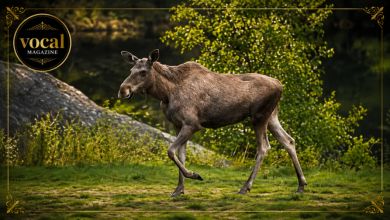
Norway is known for its breathtaking landscapes, vast forests, and diverse wildlife. From moose wandering through woodland areas to deer crossing rural roads, animals are an important part of the country’s natural environment. Managing the relationship between humans and wildlife requires organized systems, and one of the most important local institutions responsible for this task is Viltnemnda.
The term Viltnemnda refers to a local municipal wildlife board or committee in Norway. These local authorities play a significant role in protecting wildlife populations, supporting responsible hunting practices, and handling situations where animals and humans come into conflict. Although national wildlife management structures changed through decentralization reforms in 1993, municipalities continue to maintain local wildlife committees and response groups to address regional needs.
The work of Viltnemnda combines conservation, public safety, and animal welfare. Its responsibilities range from monitoring game populations to responding when injured animals are found after traffic accidents.
The History and Development of Viltnemnda in Norway
Norway has a long tradition of wildlife management due to its strong connection with forests, mountains, and hunting culture. Historically, wildlife management was more centralized, with government authorities controlling many decisions related to hunting and animal protection.
In 1993, Norway introduced changes that transferred more responsibility to local communities. This decentralization allowed municipalities to manage wildlife issues according to their own environmental conditions. Different regions face different challenges depending on geography, climate, and animal populations.
As a result, local wildlife boards became more important. A municipality with large forests and high numbers of moose may have different priorities compared to a coastal municipality with fewer large animals. Through Viltnemnda, local experts and officials can make decisions based on the specific needs of their area.
Main Responsibilities of Viltnemnda
Wildlife Population Management
One of the primary duties of Viltnemnda is managing local wildlife populations. Norway’s forests are home to several game species, including moose, deer, and other animals that require careful monitoring.
Wildlife populations must remain balanced to protect both ecosystems and human communities. If animal numbers become too high, problems can occur, including damage to forests, agricultural losses, and increased road accidents.
The board works with wildlife data, local observations, and hunting information to understand population levels. These assessments help determine appropriate management strategies and ensure that hunting remains sustainable.
Hunting Permits and Quotas
Another important responsibility of Viltnemnda is overseeing local hunting regulations. Hunting plays a major role in Norwegian culture and rural economies, but it must be carefully controlled to prevent overhunting.
The board helps establish hunting quotas and provides guidance regarding local permits. These decisions are usually based on population studies, environmental conditions, and long-term conservation goals.
By managing hunting activities, Viltnemnda helps maintain healthy wildlife populations while allowing communities to continue traditional practices.
Handling Injured and Distressed Animals
One of the most visible roles of Viltnemnda involves responding to injured wildlife. Every year, animals such as moose and deer are involved in road accidents across Norway. Some animals survive collisions but are seriously injured and may suffer if they are not located quickly.
For these situations, municipalities often have specialized response teams known as fallviltgruppe or ettersøkskorps. These teams work alongside local wildlife authorities to track injured animals and take appropriate action.
The goal is not only public safety but also animal welfare. Trained personnel follow procedures to locate injured animals and prevent unnecessary suffering.
The Role of Viltnemnda in Human-Wildlife Conflicts
As human settlements expand into natural areas, encounters between people and wildlife become more common. A major responsibility of Viltnemnda is helping communities manage these situations.
Examples of human-wildlife conflicts include:
- Animals entering residential areas
- Wildlife damaging farmland
- Dangerous encounters near roads
- Injured animals behaving unpredictably
The board provides guidance and coordinates responses between residents, authorities, and wildlife teams. This helps reduce fear and encourages safe interactions between humans and animals.
What Happens When a Vehicle Hits an Animal?
Traffic accidents involving wildlife are a serious issue in Norway, especially in areas where moose and deer populations are high. Drivers have legal responsibilities after hitting an animal.
If a vehicle strikes an animal, the driver must immediately notify the authorities. In Norway, the police can be contacted through 02800, while emergency situations should be reported by calling 112.
After receiving a report, authorities contact the appropriate local wildlife response team. These professionals then search for the injured animal and determine the necessary action.
Drivers should also clearly mark the accident location. This helps tracking teams find the exact area where the animal may have escaped.
Why Reporting Wildlife Accidents Matters
Some people may leave an accident scene because they believe the animal ran away safely. However, injured animals often hide nearby and may suffer for hours or days without assistance.
Reporting the incident allows trained teams to:
- Locate injured animals quickly
- Reduce animal suffering
- Prevent further road hazards
- Collect important wildlife data
Accurate reporting also helps municipalities understand where wildlife accidents frequently occur and develop better safety strategies.
Viltnemnda and Wildlife Conservation
Beyond emergency responses, Viltnemnda contributes to Norway’s broader conservation efforts. Protecting wildlife requires cooperation between local communities, government agencies, hunters, and environmental organizations.
The board helps promote responsible wildlife use while protecting natural biodiversity. This balance is essential because wildlife is not only valuable environmentally but also culturally and economically.
Norway’s approach demonstrates how local knowledge can improve environmental management. People living close to nature often understand seasonal patterns, animal movements, and regional challenges better than distant authorities.
The Future of Local Wildlife Management
Climate change, increasing traffic, and changing land use continue to create new challenges for wildlife management. As conditions change, organizations like Viltnemnda must adapt their strategies.
Future responsibilities may include:
- Using improved technology for wildlife monitoring
- Developing better road safety systems
- Supporting biodiversity protection
- Increasing public awareness about wildlife behavior
Modern wildlife management requires both traditional knowledge and scientific research. Local boards will continue to play an important role in creating solutions that protect animals and communities.
Conclusion: Why Viltnemnda Matters
Viltnemnda represents the connection between Norway’s communities and its natural environment. Through wildlife management, hunting regulation, emergency response, and conflict resolution, these local boards help maintain harmony between humans and animals.
The work of local wildlife committees may often happen quietly, but its impact is significant. Every rescued animal, every carefully managed hunting season, and every safely handled wildlife accident reflects the importance of responsible environmental management.
As Norway continues to balance development with conservation, Viltnemnda remains a vital institution protecting both wildlife and people for future generations.
Frequently Asked Questions (FAQs)
1. What is Viltnemnda in Norway?
Viltnemnda is a local municipal wildlife board responsible for managing wildlife populations, hunting regulations, and wildlife-related emergencies in Norwegian municipalities.
2. What does Viltnemnda do after a wildlife traffic accident?
After a reported accident, local response teams such as fallviltgruppe or ettersøkskorps may be sent to track and assist the injured animal.
3. Who should I contact if I hit a moose or deer in Norway?
Drivers should immediately contact the police at 02800. For emergency situations, call 112.
4. Does Viltnemnda issue hunting permits?
Yes, local wildlife boards help manage hunting quotas and local hunting regulations according to wildlife population needs.
5. Why is local wildlife management important?
Local management allows communities to make decisions based on their specific environment, animal populations, and regional challenges.