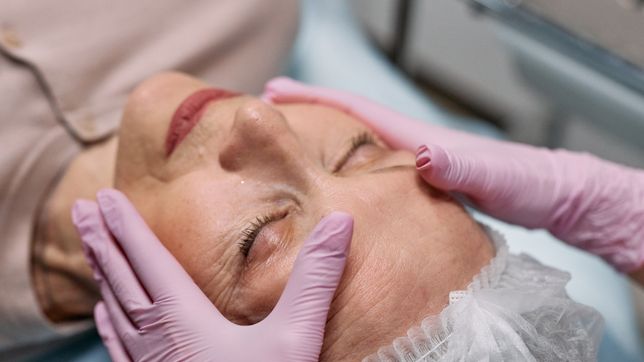
Hyperpigmentation is one of the most common skin concerns, appearing as darker patches or spots caused by increased melanin production. Sun exposure, acne, hormonal changes, inflammation, and certain skin conditions can all contribute to uneven skin tone. While creams and professional treatments are widely used to improve pigmentation, microneedling for hyperpigmentation has become an increasingly discussed option.
Microneedling is a minimally invasive cosmetic procedure that creates controlled microscopic punctures in the skin. These tiny injuries encourage the skin’s natural healing process and stimulate collagen production. When performed appropriately, microneedling may help improve the appearance of certain types of pigmentation while also addressing acne scars, texture, and fine lines.
However, pigmentation can sometimes become darker after skin injury, particularly in people prone to post-inflammatory hyperpigmentation. Understanding how the treatment works, who may benefit, and how to care for the skin afterward is therefore essential.
What Is Microneedling?
Microneedling, sometimes called collagen induction therapy, uses a device containing very fine needles to create tiny controlled channels in the skin. These channels trigger a wound-healing response without intentionally removing large areas of the skin.
As the skin repairs itself, it produces collagen and elastin. Over time, this process can make the skin appear smoother and more even.
The treatment is generally performed using a professional microneedling pen or similar device. Needle depth and treatment intensity vary depending on the patient’s skin, treatment area, and specific concern.
Although microneedling is often associated with acne scars and skin texture, its potential role in pigmentation has attracted considerable attention.
How Does Microneedling Help Hyperpigmentation?
The relationship between microneedling and pigmentation is more complicated than simply “removing dark spots.” The procedure primarily works by stimulating skin remodeling.
Microneedling may help improve uneven skin tone through several mechanisms:
Encouraging Skin Renewal
The controlled micro-injuries stimulate the body’s repair process. As older, damaged skin is gradually replaced and remodeled, areas of uneven pigmentation may become less noticeable.
Improving Product Delivery
One potential advantage of microneedling is that it can temporarily increase the penetration of certain topical products. In professional settings, clinicians may combine microneedling with appropriate topical treatments.
However, not every product is suitable for application immediately after microneedling. Irritating ingredients or improperly prepared products can cause inflammation and potentially worsen pigmentation.
Supporting Collagen Production
Hyperpigmentation can sometimes occur alongside acne scars, uneven texture, or signs of sun damage. Because microneedling stimulates collagen production, it may address several concerns simultaneously rather than focusing exclusively on pigmentation.
What Types of Hyperpigmentation Can It Treat?
Not all pigmentation is the same. A dark mark left behind after acne is different from melasma or pigmentation caused by certain medications.
Microneedling may be considered for some forms of post-inflammatory hyperpigmentation, particularly when pigmentation occurs alongside acne scarring or uneven texture. It has also been investigated as part of treatment approaches for melasma.
However, melasma deserves special consideration because it can be persistent and may be aggravated by inflammation, heat, sunlight, or inappropriate treatment.
Before undergoing microneedling, it is important to identify the underlying cause of pigmentation. A dermatologist or qualified medical professional can determine whether microneedling is appropriate or whether another treatment would be more suitable.
Benefits of Microneedling for Hyperpigmentation
One reason people consider microneedling is its ability to target several visible skin concerns at once.
Potential benefits can include:
- Improving the appearance of uneven skin tone
- Reducing the visibility of some dark marks
- Smoothing rough skin texture
- Stimulating collagen production
- Improving the appearance of acne scars
- Supporting overall skin rejuvenation
- Requiring relatively little downtime compared with some more aggressive procedures
The results are usually gradual rather than immediate. Skin remodeling takes time, and several treatment sessions may be recommended depending on the individual’s goals and response.
What Happens During a Microneedling Treatment?
Before treatment, the skin is typically cleansed and prepared. A topical numbing cream may be used to make the procedure more comfortable.
The practitioner then moves the microneedling device across the treatment area. The device creates controlled microchannels in the skin.
The sensation can vary from person to person. Some people describe it as a scratching, vibrating, or prickling feeling.
Afterward, the skin may look red and feel warm or tight. Mild swelling or sensitivity can also occur. These effects generally settle as the skin recovers.
The exact recovery period depends on the treatment intensity, skin type, and individual healing response.
Microneedling Before and After: What Should You Expect?
People searching for microneedling for hyperpigmentation before and after results should remember that photographs can be misleading.
Results depend on numerous factors, including:
- Type and depth of pigmentation
- Skin tone
- Cause of pigmentation
- Treatment settings
- Number of sessions
- Sun exposure
- Skincare routine
- Individual healing response
Some people notice improved texture before they see significant changes in pigmentation. Others may require multiple sessions before meaningful improvement becomes visible.
A realistic expectation is gradual improvement rather than perfectly uniform skin.
Risks and Side Effects
Microneedling is generally considered a minimally invasive procedure, but it is not completely risk-free.
Temporary redness, swelling, dryness, sensitivity, or mild irritation can occur. More significant complications may develop if the procedure is performed incorrectly or if the skin is not properly cared for afterward.
One particularly important concern for pigmentation-prone individuals is post-inflammatory hyperpigmentation. Because microneedling intentionally creates controlled skin injury, excessive inflammation can sometimes trigger additional pigment production.
This is why treatment settings should be carefully selected according to the individual’s skin type and concerns.
Infection, scarring, prolonged inflammation, and other complications are possible, particularly when treatments are performed by inexperienced providers or with improperly maintained equipment.
Who Should Avoid Microneedling?
Microneedling may not be appropriate for everyone.
People with active skin infections, open wounds, severe inflammatory skin conditions, or certain healing problems may need to postpone treatment. Individuals taking particular medications or experiencing certain skin conditions should also discuss microneedling with a healthcare professional before proceeding.
At-home microneedling devices can introduce additional risks because users may not have professional training in sterilization, needle depth, skin assessment, or complication management.
Professional evaluation is especially important when pigmentation is persistent, rapidly changing, or unexplained.
Aftercare for Better Results
Proper aftercare is an important part of the treatment process.
Immediately after microneedling, the skin is more sensitive than usual. A gentle skincare routine can help minimize unnecessary irritation.
Important aftercare principles include:
Protect the Skin From the Sun
Sun exposure can worsen pigmentation and interfere with treatment results. Consistent broad-spectrum sunscreen use is therefore particularly important.
Avoid Harsh Products
Strong exfoliants, irritating active ingredients, and aggressive skincare treatments may be unsuitable immediately after microneedling. The practitioner should provide specific instructions based on the procedure.
Keep the Routine Simple
Gentle cleansing and appropriate moisturization can help support the skin barrier while it recovers.
Do Not Pick or Scratch
Touching, scratching, or peeling the treated skin can increase irritation and potentially increase the risk of pigmentation or infection.
How Many Sessions Are Needed?
There is no universal number of microneedling sessions for hyperpigmentation.
Some people may see changes after a single treatment, while others require a series of sessions spaced appropriately apart. The recommended schedule depends on the condition being treated and how the skin responds.
More treatment is not necessarily better. Increasing needle depth or treatment frequency without appropriate medical guidance can increase inflammation and potentially make pigmentation worse.
A personalized treatment plan is therefore preferable to following a generic schedule.
Microneedling vs. Other Hyperpigmentation Treatments
Microneedling is only one option for treating uneven pigmentation.
Depending on the diagnosis, professionals may consider topical treatments, chemical peels, laser or light-based procedures, or other approaches. Sometimes combination therapy is more effective than relying on one treatment alone.
For example, someone with acne-related dark marks and scarring may benefit from a strategy that addresses both pigmentation and skin texture.
The best approach depends on the underlying cause rather than simply choosing the most popular procedure.
Final Thoughts
Microneedling for hyperpigmentation can be a useful cosmetic treatment for selected patients, particularly when pigmentation occurs alongside acne scars or uneven skin texture. By creating controlled micro-injuries, the procedure encourages the skin’s natural repair process and collagen production.
However, pigmentation is complex, and microneedling is not a universal solution. In some individuals—especially those prone to post-inflammatory hyperpigmentation—skin injury can potentially make discoloration worse.
The most important step is identifying the type and cause of pigmentation before choosing a treatment. A qualified dermatologist or trained medical professional can assess the skin, discuss realistic expectations, select appropriate treatment settings, and recommend suitable aftercare.
Ultimately, successful pigmentation management is usually about consistency and patience. Professional treatment, sun protection, appropriate skincare, and realistic expectations can work together to support a more even and healthy-looking complexion.
FAQs About Microneedling for Hyperpigmentation
1. Does microneedling for hyperpigmentation really work?
Yes, microneedling for hyperpigmentation may help improve the appearance of certain dark spots and uneven skin tone. Results vary depending on the type and cause of pigmentation.
2. How many sessions of microneedling for hyperpigmentation are needed?
The number of sessions varies by individual. Some people may notice improvement after one session, while others may need a series of treatments spaced several weeks apart.
3. Can microneedling make hyperpigmentation worse?
Yes. Because microneedling creates controlled skin injury, excessive inflammation can sometimes trigger post-inflammatory hyperpigmentation, particularly in pigmentation-prone skin.
4. Is microneedling good for acne hyperpigmentation?
Microneedling for hyperpigmentation may be useful for some acne-related dark marks, especially when acne scars and uneven texture are also present. A professional skin assessment is recommended first.
5. How long does it take to see results from microneedling for hyperpigmentation?
Results are generally gradual. Skin texture may improve first, while pigmentation can take several weeks or multiple treatments to become less noticeable.
6. Can microneedling treat melasma?
Microneedling has been studied as a treatment option for melasma, sometimes alongside topical therapies. However, melasma can be difficult to manage and may worsen with inflammation, so professional guidance is important.
7. What should I avoid after microneedling for hyperpigmentation?
After microneedling for hyperpigmentation, avoid excessive sun exposure and irritating skincare products until the skin has recovered. Follow the aftercare instructions provided by your practitioner.
8. Is microneedling safe for all skin types?
Microneedling can be performed on many skin types, but treatment settings need to be carefully selected. People who are prone to pigmentation should receive appropriate professional guidance to reduce the risk of discoloration.
9. Can sunscreen improve the results of microneedling for hyperpigmentation?
Yes. Protecting the skin from ultraviolet exposure is especially important because sunlight can worsen existing pigmentation and contribute to new dark spots.
10. Is professional microneedling better than at-home microneedling?
Professional treatment is generally preferable because a qualified practitioner can assess the skin, select appropriate settings, maintain proper hygiene, and manage potential complications.
Microneedling for Hyperpigmentation
Microneedling for Hyperpigmentation
Microneedling for Hyperpigmentation
Microneedling for Hyperpigmentation
Microneedling for Hyperpigmentation
Microneedling for Hyperpigmentation
Microneedling for Hyperpigmentation
Microneedling for Hyperpigmentation
Microneedling for Hyperpigmentation
Microneedling for Hyperpigmentation