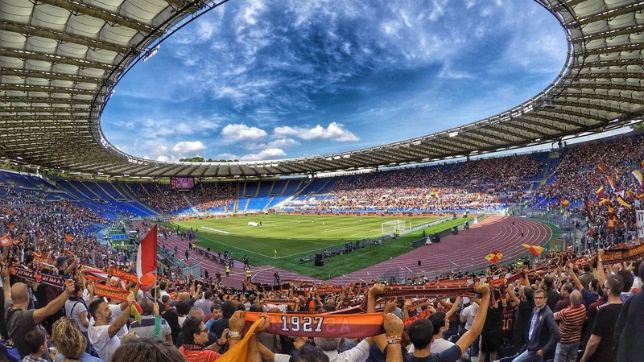
Watching football used to be dead simple. You’d park yourself on the sofa, stare at the telly for 90 minutes, and maybe have a go at whoever was sitting next to you when the ref got it wrong. That was the whole experience. Now, though, almost every fan has their phone out before kick-off, and it doesn’t get put away until the post-match interviews are done.
The TV still carries the game, but the phone fills in everything around it, from live stats and score updates to arguments with your mates that kick off faster than the actual match does. So what’s pulling everyone’s attention to that second screen, and when did just watching a game stop being enough?
Fantasy Football Runs the Whole Weekend
Millions of people play Fantasy Premier League in the UK alone, and for a big portion of them, every fixture on the calendar matters personally. You’ll find yourself glued to a match between two sides you couldn’t care less about, all because your fantasy midfielder needs one more assist to keep you top of your mini-league.
That creates a habit of phones being used constantly. Has your captain been subbed off early? Did the goal get credited to your striker, or was it logged as an own goal? Real-time trackers and apps push live points updates, so fans end up bouncing between the TV and their screens all afternoon, trying to piece together how their gameweek is going across four or five different fixtures at once.
Live Betting and In-Play Markets
Betting on live matches has exploded over the past decade, and it’s one of the main reasons why phones never leave anyone’s hand during the 90 minutes. In-play markets let you place a bet on the next goalscorer, how many corners will come in the second half, whether a particular player will pick up a booking, or even what the score will be at half-time.
Platforms that list free bets and sign-up offers from licensed UK bookmakers have also lowered the entry point for casual punters who don’t want to risk much upfront. Combine that with how quickly in-play odds move, and you can see why so many people now treat their phone as essential matchday kit, right alongside the remote control and a cup of tea.
Group Chats and Social Media Reactions
For a lot of fans, the WhatsApp group chat has taken over from the pub when it comes to matchday banter. You could be watching alone in your living room, but the second a dodgy offside decision happens or someone skies a penalty, your phone blows up with messages from five, ten, sometimes fifteen mates all reacting at the same time.
Social media adds another layer on top. Twitter (or X) and Reddit both turn into enormous live forums during big games, with memes and full-blown tactical arguments appearing within seconds of anything happening on the pitch. A lot of fans will openly admit they scroll through those threads during every break in play, and for some it’s become just as much a part of the matchday routine as the game itself.
The Match Doesn’t End at Full Time
Two-screen watching has quietly redefined what “the match” actually means. It doesn’t begin at kick-off anymore. For most fans, it starts the moment the team sheets drop an hour beforehand, and it won’t truly wrap up until every group chat has gone quiet and the last post-match argument on social media has burned itself out.
The telly is still the centrepiece, but the phone has turned a 90-minute event into something that stretches across the entire day, touching every app and platform fans are plugged into. Sitting quietly and just watching a match feels like a thing of the past for most of us now, and going back to that seems unlikely when so much of modern football happens off the pitch and inside our pockets.