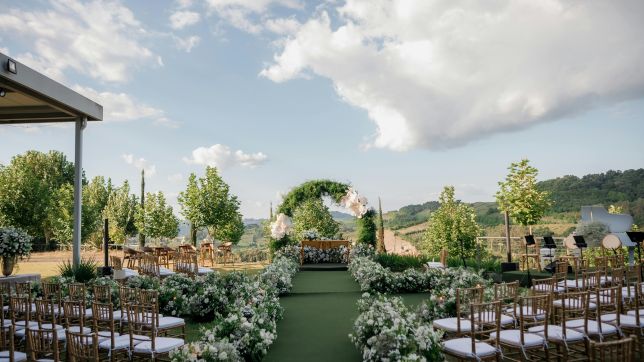
Choosing a wedding venue is one of the most important decisions couples make when planning their special day. The venue influences almost every aspect of the celebration, including the guest experience, wedding decorations, catering, photography, entertainment, and overall budget. Whether you dream of a romantic countryside wedding, an elegant hotel reception, a beautiful garden ceremony, or an intimate restaurant celebration, finding the right location requires careful planning and consideration.
Understanding how to choose a wedding venue can help couples avoid unnecessary expenses, reduce planning stress, and create a memorable celebration that reflects their personalities. By establishing a realistic budget, estimating the guest list, exploring different venue styles, and asking the right questions before signing a contract, you can make a confident decision.
This comprehensive guide explains the essential factors to consider when selecting a wedding venue, helping you find a location that suits your vision, practical requirements, and financial plans.
1. Establish Your Wedding Budget
Before visiting potential venues, determine how much money you can comfortably spend on your wedding. Your venue budget should account for more than the rental fee because many locations charge additional amounts for catering, furniture, decorations, staffing, cleaning, and other services.
In many weddings, the venue and catering represent a significant portion of the overall budget. Therefore, understanding the complete cost before making a reservation is essential.
Ask each venue for a detailed quotation that explains what is included in the package. Some venues provide tables, chairs, linens, lighting, and catering, while others charge separately for these services.
You should also check for additional expenses, such as service charges, taxes, security deposits, overtime fees, and setup costs. If you are considering an exclusive-hire venue, ask whether you must arrange your own furniture, catering equipment, and suppliers.
Establishing a clear budget helps you compare venues fairly and prevents unexpected expenses from affecting other wedding plans.
2. Determine Your Guest List
Your estimated guest count is another major factor when deciding how to choose a wedding venue. A location that feels perfect for a small gathering may become uncomfortable when accommodating a large celebration.
Begin by creating a preliminary guest list and separating daytime ceremony guests from evening reception guests if you plan to invite different groups.
When discussing capacity with venue managers, ask about the maximum number of guests for a seated meal, standing reception, and dance floor. A venue’s advertised capacity does not always mean everyone will have enough space to dine, move around, and enjoy the entertainment comfortably.
Consider the arrangement of tables, the location of the dance floor, access routes, and space for entertainment equipment. If you are inviting children, older relatives, or guests with mobility requirements, ensure the venue offers suitable facilities.
Choosing a venue that matches your guest count helps create a comfortable atmosphere and makes it easier to organize seating, catering, and other arrangements.
3. Select a Convenient Location
The wedding venue’s location can significantly influence how easily your guests attend and enjoy the celebration. Consider where you and your guests live, how far people must travel, and whether the location is accessible by public transportation or private vehicles.
If many guests are traveling from other cities or countries, a venue near an airport, railway station, or major road may be more convenient. Hotels and resorts can be particularly useful because they may offer accommodation and wedding services in one place.
Parking is another important consideration. Confirm whether the venue provides sufficient parking spaces or whether nearby parking facilities are available.
If the ceremony and reception take place at different locations, calculate the travel time between them. Long journeys can create unnecessary stress and cause delays in the wedding schedule.
You should also consider nearby accommodation for guests who want to stay overnight. A convenient location can make the entire celebration more enjoyable for everyone involved.
4. Choose a Wedding Venue Style
Once you understand your budget, guest count, and location requirements, explore different types of wedding venues. Each option offers a distinct atmosphere, level of flexibility, and range of services.
Hotels and Resorts
Hotels and resorts are popular choices because they often provide catering, furniture, accommodation, event staff, and dedicated wedding packages. These services can simplify planning and reduce the need to coordinate multiple suppliers.
However, some hotels have restrictions regarding outside vendors, decorations, music, and event timings. Review their policies carefully before making a decision.
Exclusive-Hire Wedding Venues
Exclusive-hire venues allow couples to reserve an entire property for their celebration. These locations may include historic buildings, country houses, estates, and specialized wedding venues.
They are ideal for couples seeking privacy and a distinctive atmosphere. However, exclusive hire may involve additional expenses for catering, staffing, furniture, and equipment.
Barns and Countryside Venues
Barns and rural properties appeal to couples who prefer rustic decorations, natural surroundings, and a relaxed atmosphere. They can provide excellent opportunities for outdoor photography and personalized wedding styling.
Before booking, check heating, lighting, toilets, accessibility, electricity, and transportation. You should also establish a reliable backup plan for bad weather.
Gardens and Outdoor Venues
Garden weddings can create a romantic setting with flowers, greenery, and natural scenery. They are especially attractive for couples who want an outdoor ceremony or reception.
Nevertheless, outdoor celebrations require careful preparation. Consider rain protection, temperature changes, insects, suitable footwear, and the availability of indoor alternatives.
Restaurants and Pubs
Restaurants and pubs can be excellent choices for intimate weddings and couples who prioritize good food. They may offer a welcoming atmosphere, existing furniture, and experienced catering teams.
However, check whether the venue can accommodate your preferred guest count, entertainment, decorations, and event schedule.
The best venue style is the one that supports your vision while meeting your practical needs.
5. Visit the Venue Before Booking
Photographs and online descriptions can help you create a shortlist, but visiting a venue in person provides a much clearer understanding of its atmosphere and suitability.
Arrange a tour with the venue manager and, if possible, visit during the same season or time of day as your planned wedding.
During the visit, examine the ceremony space, reception area, restrooms, entrance, parking facilities, and any outdoor areas you intend to use. Pay attention to lighting, cleanliness, accessibility, and the overall condition of the property.
Imagine how the space will look with your planned decorations, seating arrangements, flowers, and entertainment equipment.
Take photographs and notes during each visit so you can compare your options later. If you have already hired a wedding planner, consider bringing them along to identify practical issues you might overlook.
Visiting several shortlisted venues can help you understand which location offers the best combination of atmosphere, facilities, and value.
6. Ask Important Questions During Your Venue Tour
Asking the right questions before booking helps prevent misunderstandings and unexpected expenses.
Consider asking the following:
- What is the maximum capacity for a seated dinner and an evening reception?
- Is the venue licensed for the type of ceremony we are planning?
- Are in-house catering services mandatory, or can we hire external caterers?
- What furniture, decorations, lighting, and equipment are included?
- Are there restrictions on music volume, entertainment, or late-night celebrations?
- What happens if it rains during an outdoor ceremony?
- Are there additional charges for cleaning, setup, security, or extended hours?
- Is parking available, and does the venue provide accommodation?
- Can we visit the venue again before the wedding?
- What are the cancellation, postponement, and refund policies?
You should also ask when suppliers can access the venue for setup and how much time is available for decorating and clearing the space after the celebration.
Write down the answers and request written confirmation of important promises.
7. Review Catering and Supplier Policies
Food and drink can play a major role in the wedding experience, so review the venue’s catering arrangements carefully.
Some venues operate their own kitchens and provide complete menus, while others allow couples to hire independent caterers. Compare the available options, portion sizes, service standards, and prices.
If possible, arrange a tasting before finalizing your menu. Discuss vegetarian meals, allergies, religious dietary requirements, children’s meals, and other special requests.
You should also understand the venue’s policies regarding photographers, florists, DJs, musicians, decorators, and other suppliers. Certain locations maintain approved supplier lists, while others allow greater flexibility.
If outside suppliers are permitted, ask whether additional access fees, insurance requirements, or equipment charges apply.
Understanding these policies early will help you plan a celebration that reflects your preferences without creating avoidable complications.
8. Consider the Season and Wedding Date
Your wedding date can affect venue availability, pricing, and the overall experience. Popular venues may be booked well in advance for weekends, holidays, and peak wedding seasons.
If you have a specific location in mind, contact the venue early to check available dates. Being flexible with your wedding date may provide more options and, in some cases, better prices.
Seasonal conditions also deserve attention. Summer weddings may require shade, ventilation, or air conditioning, while colder months may call for heating and comfortable indoor spaces.
For outdoor weddings, confirm the rain plan and establish a clear decision-making deadline for moving the ceremony indoors.
Before signing an agreement, make sure the date, booking deposit, payment schedule, and arrangements for changing the date are clearly documented.
9. Check Accessibility and Guest Comfort
A beautiful venue should also be comfortable and practical for the people attending your wedding.
Check whether entrances, restrooms, ceremony areas, and reception spaces are accessible to guests with mobility requirements. Ask about ramps, lifts, accessible parking, and suitable seating.
Consider the availability of changing facilities, quiet areas, drinking water, and comfortable spaces for older guests or families with young children.
If the wedding continues into the evening, think about transportation options for guests returning to their accommodation.
These details may seem minor during the early planning stages, but they can make a meaningful difference to your guests’ experience.
10. Compare Contracts and Finalize Your Decision
After visiting venues and gathering quotations, compare your shortlisted options using consistent criteria.
Look beyond the initial rental price and calculate the estimated total cost, including catering, decorations, staffing, transportation, accommodation, and any required equipment.
Read the contract carefully before paying a deposit. Check the payment schedule, cancellation terms, refund conditions, overtime charges, and the venue’s responsibilities if unforeseen circumstances affect the event.
Confirm what happens if the venue changes ownership, becomes unavailable, or cannot provide the agreed services. Ask for clarification whenever a clause is unclear.
You can also compare venues based on location, guest comfort, flexibility, atmosphere, and the quality of communication from the management team.
Once you have selected your preferred venue, obtain written confirmation of the date, agreed services, prices, and any special arrangements.
Conclusion
Learning how to choose a wedding venue involves balancing your budget, guest requirements, personal style, location preferences, and practical considerations. The right venue should not only look beautiful but also provide a comfortable environment, reliable services, and enough flexibility to bring your wedding plans to life.
Start by establishing your budget and guest count, then explore suitable locations and venue styles. Visit your shortlisted properties, ask detailed questions, review supplier policies, and carefully examine every contract before making a commitment.
Wedding planning resources such as the Bridebook Wedding Guide and One Fab Day can also help couples discover ideas, organize their research, and explore different approaches to their celebration.
Ultimately, the perfect wedding venue is not necessarily the most expensive or impressive location. It is the place that fits your priorities, welcomes your guests, and allows you to celebrate your relationship in a way that feels meaningful and memorable.
How to Choose a Wedding Venue How to Choose a Wedding Venue How to Choose a Wedding Venue How to Choose a Wedding Venue How to Choose a Wedding Venue How to Choose a Wedding Venue How to Choose a Wedding Venue How to Choose a Wedding Venue
FAQs
How do I choose the right wedding venue?
Start by setting your budget, estimating your guest count, and choosing a convenient location. Compare venue styles, visit shortlisted properties, review their services, and read the contract carefully before booking.
How far in advance should I book a wedding venue?
Booking 12–18 months in advance can be helpful for popular venues and peak wedding dates. However, smaller venues and less popular dates may offer availability closer to the wedding.
What should I consider when choosing a wedding venue?
Consider the total cost, guest capacity, location, accessibility, catering options, venue style, available facilities, supplier policies, weather backup plans, and cancellation terms.
What questions should I ask before booking a wedding venue?
Ask about availability, capacity, package inclusions, catering, additional fees, music restrictions, setup times, parking, accessibility, weather arrangements, and cancellation policies.
Is an outdoor wedding venue a good choice?
An outdoor venue can provide beautiful scenery and a romantic atmosphere. However, you should confirm the availability of shelter, indoor alternatives, suitable facilities, and a clear plan for bad weather.
How can I save money when choosing a wedding venue?
Consider an off-season date, a weekday celebration, a smaller guest list, or a venue that includes catering and furniture in its package. Compare complete quotations rather than rental prices alone.
Should I book a wedding venue before choosing other suppliers?
Generally, yes. Booking the venue helps establish your wedding date, location, guest capacity, and available facilities, making it easier to coordinate catering, photography, decorations, and entertainment.
How to Choose a Wedding Venue How to Choose a Wedding Venue How to Choose a Wedding Venue How to Choose a Wedding Venue How to Choose a Wedding Venue How to Choose a Wedding Venue How to Choose a Wedding Venue How to Choose a Wedding Venue
How to Choose a Wedding Venue How to Choose a Wedding Venue How to Choose a Wedding Venue How to Choose a Wedding Venue How to Choose a Wedding Venue How to Choose a Wedding Venue How to Choose a Wedding Venue How to Choose a Wedding Venue How to Choose a Wedding Venue How to Choose a Wedding Venue How to Choose a Wedding Venue How to Choose a Wedding Venue