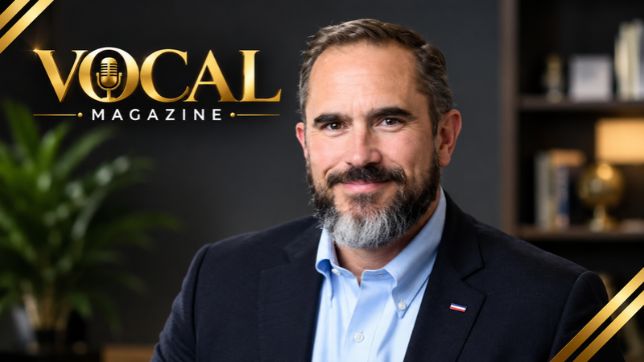
The story of Home Depot Frank Blake is an important example of leadership, business strategy, and customer-focused management in the retail industry. Frank Blake served as chairman and chief executive officer (CEO) of The Home Depot, one of the world’s largest home improvement retailers. During his leadership, the company focused on improving customer service, strengthening its business operations, and building a culture that valued employees and customers.
Blake became chairman and CEO in January 2007, succeeding Robert Nardelli. He led the company through a challenging economic period and helped strengthen its position in the competitive home improvement market. His leadership demonstrated the importance of maintaining customer trust, investing in employees, and developing a long-term business strategy.
Who Is Frank Blake?
Francis S. Blake, commonly known as Frank Blake, is an American business executive best known for his leadership at The Home Depot. Before joining the company, he developed extensive experience in government service and corporate management.
Blake joined The Home Depot in 2002 as executive vice president of business development and corporate operations. His responsibilities included strategic business development, growth initiatives, real estate, store construction, credit services, and home services. These responsibilities helped him understand the company’s operations before he became its chief executive.
In January 2007, Blake was appointed chairman and CEO following the departure of Robert Nardelli. His appointment came at a time when the company needed effective leadership, operational improvements, and a clear strategy for future growth.
Blake’s professional background and management experience helped him approach business challenges with an emphasis on practical solutions, accountability, and customer satisfaction.
Frank Blake’s Role at The Home Depot
The Home Depot is a major home improvement retailer that sells products for construction, renovation, maintenance, and home decoration. Its customers include homeowners, professional contractors, and businesses.
As CEO, Blake was responsible for guiding the company’s overall strategy and overseeing its senior leadership team. He worked to ensure that business decisions supported the company’s long-term objectives while maintaining a strong relationship with customers and employees.
One of his priorities was reinforcing the importance of frontline associates. Employees working in stores interact directly with customers and often provide valuable advice about tools, building materials, repairs, and renovation projects.
Blake understood that knowledgeable and helpful employees could improve the shopping experience. By emphasizing customer service and employee engagement, he supported a business culture in which people played a central role in the company’s success.
His leadership also involved balancing operational efficiency with the needs of customers and shareholders.
Leadership During Economic Challenges
Frank Blake became CEO in 2007, shortly before the global financial crisis created significant difficulties for businesses across many industries.
The housing market experienced severe pressure, and consumer spending weakened. Because home improvement retailers are closely connected to housing activity, construction, and renovation spending, these economic conditions presented serious challenges for The Home Depot.
During this period, effective leadership required careful financial management and a focus on the company’s core strengths.
Blake’s approach emphasized serving customers, supporting employees, and improving business operations. Rather than relying entirely on short-term measures, the company continued working to strengthen its position in the market.
The experience demonstrated how external economic conditions can affect even established companies. It also highlighted the importance of maintaining a clear business strategy during uncertain times.
For business leaders, one important lesson from Blake’s tenure is that companies must remain adaptable while continuing to focus on their fundamental responsibilities.
Customer Service as a Business Priority
Customer service was an important part of Blake’s leadership philosophy. In the home improvement industry, customers often need more than products. They may require guidance, technical information, and practical recommendations to complete projects successfully.
For example, a homeowner renovating a kitchen may need help selecting cabinets, flooring, lighting, and installation supplies. A professional contractor may need reliable product availability and efficient purchasing options.
Employees who understand these requirements can make the shopping experience easier and more productive.
Blake recognized the importance of supporting employees who serve customers directly. This approach aligned with The Home Depot’s broader business philosophy of putting customers and associates first.
Customer satisfaction can contribute to repeat purchases, positive recommendations, and stronger brand loyalty. By making service a central consideration, retailers can distinguish themselves from competitors that focus primarily on pricing.
This principle remains relevant to businesses of all sizes, including online retailers and service providers.
Improving Business Operations and Efficiency
Another important aspect of Blake’s leadership was the need to operate efficiently while maintaining service quality.
Large retailers must coordinate inventory, transportation, store operations, staffing, and purchasing across extensive networks. Problems in any of these areas can affect product availability, customer satisfaction, and profitability.
At The Home Depot, effective operations were particularly important because customers often depend on specific materials to complete renovation or construction projects on schedule.
Improving operational processes can reduce unnecessary costs, support more reliable inventory management, and help employees spend more time assisting customers.
Blake’s experience in business development and corporate operations provided a foundation for understanding these challenges.
His leadership also took place during a period when retail businesses were increasingly exploring digital technologies and online shopping. Combining traditional stores with convenient digital services became an important part of the industry’s development.
These changes illustrated the need for established retailers to adapt to changing customer expectations.
Frank Blake’s Leadership Style
Frank Blake’s leadership style is associated with customer focus, employee engagement, strategic thinking, and the development of capable management teams.
An effective CEO must communicate a clear vision while allowing employees and managers to contribute their expertise. Strong leadership also requires making difficult decisions, evaluating performance, and maintaining accountability.
Blake’s emphasis on frontline associates reflected the idea that employees should be treated as an important part of the company’s success rather than simply as operational resources.
When employees receive appropriate support and understand organizational priorities, they are better positioned to help customers and solve problems.
Another important aspect of leadership is building a strong team. A company operating across numerous locations cannot depend on one executive to make every decision. It needs capable managers who understand the business and can respond to local conditions.
Blake’s leadership therefore offers useful lessons about the relationship between company culture, employee performance, and long-term organizational effectiveness.
The Transition to Craig Menear
In August 2014, The Home Depot announced that Craig Menear would become CEO and president, effective November 1, 2014. Blake remained chairman during the transition.
Menear had extensive experience within the company, including responsibilities involving retail operations, merchandising, supply chain activities, and online business development.
The transition demonstrated the importance of leadership succession in large organizations. Companies must identify capable executives and prepare them to assume greater responsibilities.
Blake’s decision to support a leadership transition also helped maintain continuity in the company’s management.
In January 2015, The Home Depot announced that Menear would succeed Blake as chairman, effective February 2, 2015. Blake then retired as chairman.
His departure marked the conclusion of an important period in the company’s history, although his influence on its leadership culture remained part of his broader professional legacy.
Frank Blake’s Professional Background Beyond Home Depot
Frank Blake’s career extended beyond the retail industry. Before joining The Home Depot, he held executive positions at General Electric and served in the United States government.
His public service experience included serving as deputy secretary of the U.S. Department of Energy. He also held legal and advisory roles, including serving as general counsel of the U.S. Environmental Protection Agency and as deputy counsel to Vice President George H. W. Bush.
These experiences provided exposure to different organizational structures, leadership responsibilities, and complex decision-making environments.
Blake’s combination of government, legal, and corporate experience illustrates how professional skills can transfer between different sectors.
Strategic planning, communication, ethical decision-making, and organizational management are valuable in both public institutions and private companies.
His career demonstrates the benefits of developing a broad professional background and applying lessons from different fields to executive leadership.
Lessons Businesses Can Learn from Frank Blake
Frank Blake’s leadership at The Home Depot provides several lessons for business owners, managers, and aspiring executives.
First, customer satisfaction should remain a priority. Businesses that understand their customers’ needs are better positioned to develop useful products and services.
Second, employees contribute directly to business performance. Providing training, support, and opportunities for development can help employees perform more effectively.
Third, adaptability is essential during economic uncertainty. Companies must respond to changing market conditions while protecting their long-term objectives.
Fourth, operational efficiency supports sustainable growth. Managing inventory, resources, staffing, and expenses effectively can improve both customer service and profitability.
Finally, leadership succession requires careful planning. Preparing experienced executives to take on new responsibilities helps organizations maintain stability during periods of change.
These lessons are applicable not only to major retailers but also to small businesses, digital companies, and professional service providers.
Conclusion Home Depot Frank Blake
Home Depot Frank Blake is a valuable topic for understanding leadership, business strategy, and customer-focused management. As chairman and CEO from 2007 to 2014, Blake guided The Home Depot through a difficult economic period while emphasizing customer service, employee engagement, and operational effectiveness.
His professional background in government, law, and corporate management helped shape his approach to leadership. His tenure also highlighted the importance of developing capable management teams and preparing organizations for future challenges.
Although Blake retired as chairman in 2015, his career continues to offer lessons for people interested in business administration and executive leadership.
Ultimately, his experience demonstrates that successful leadership involves more than financial performance. It also requires a clear vision, effective communication, a commitment to customers, and the ability to guide an organization through change.
Home Depot Frank Blake Home Depot Frank Blake Home Depot Frank Blake Home Depot Frank Blake Home Depot Frank Blake Home Depot Frank Blake Home Depot Frank Blake Home Depot Frank Blake Home Depot Frank Blake Home Depot Frank Blake Home Depot Frank Blake Home Depot Frank Blake Home Depot Frank Blake Home Depot Frank Blake