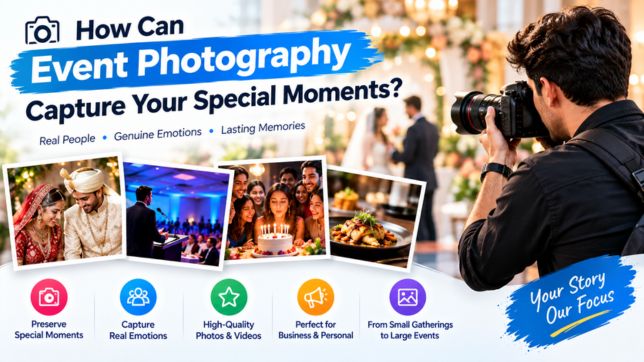
Special moments deserve to be remembered long after they end. Whether you are planning a wedding, birthday party, business conference, or product launch, professional photography helps preserve the emotions and details that make your event unique. Beautiful pictures allow you to revisit those memories and share them with friends, family, clients, and colleagues.
Event Photography is more than taking pictures of people in a room. It involves capturing genuine smiles, important activities, meaningful interactions, and the atmosphere of the occasion. A skilled photographer knows when to capture a candid moment and when to take a carefully planned shot.
From small family gatherings to large corporate functions, the right photography service can turn a few hours into a collection of lasting memories. With thoughtful planning and professional equipment, every important detail has the chance to shine.
Why Is Professional Event Photography Important?
Hiring a professional photographer helps ensure that important moments are not missed. While guests may take pictures on their phones, a professional brings experience, suitable equipment, and an understanding of lighting and composition.
Here are some key benefits:
- Lasting memories: Keep important moments alive through high-quality photographs.
- Better image quality: Professional cameras and lighting produce clear, detailed pictures.
- Natural expressions: Capture genuine emotions instead of relying only on posed shots.
- Complete coverage: Document the event from preparation to its final moments.
- Easy sharing: Use edited images for albums, websites, social media, and promotional materials.
Professional images also help event organizers show the success of their work. They provide useful content for future promotions and help people remember the experience.
What Moments Should a Photographer Capture?
Every event has its own story, and a good photographer looks beyond the main activities to capture the smaller details that make it special.
Candid Moments and Emotions
Some of the best photographs happen when people are not posing for the camera. A spontaneous laugh, an emotional speech, a warm greeting, or a joyful reaction can communicate more than a planned photograph.
Candid event photography focuses on these natural interactions. It allows the final collection to reflect the real atmosphere of the gathering rather than a series of staged pictures.
Important Highlights
Certain moments deserve special attention, including speeches, award presentations, ribbon-cutting ceremonies, birthday candles, wedding entrances, and group celebrations.
Before the event begins, share a list of essential photographs with your photographer. This helps ensure that important guests, activities, and details receive proper attention.
Decorations and Small Details
Flowers, table settings, lighting, event signage, branded displays, and carefully arranged products all contribute to the experience. Photographing these details creates a fuller record of the occasion and shows the effort behind the planning.
How Event Photography Supports Business Events?
Corporate events often serve several purposes, from building professional relationships to introducing new products. Quality photographs help businesses document these activities and communicate their value to a wider audience.
Professional images can support:
- Company websites and blog posts
- Social media campaigns
- Employee newsletters
- Press releases and media coverage
- Business presentations and annual reports
- Future event marketing
For companies investing in conferences, exhibitions, networking sessions, and product demonstrations, photography creates useful marketing material long after the event has finished.
Filming Events and Product Launches
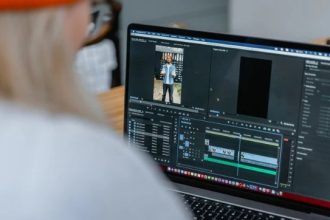
Photography can work alongside video production to provide more complete event coverage. While photographs preserve individual moments, video captures movement, speeches, demonstrations, and the energy of the occasion.
When filming events and product launches, professionals can document product reveals, audience reactions, speaker presentations, and customer interactions. Businesses can then use these materials for promotional campaigns, product pages, social media clips, and future announcements.
Combining photography and filming also helps brands maintain a consistent visual style across different marketing channels. Discuss your goals with the service provider beforehand to ensure that both photo and video coverage meet your needs.
How to Choose the Right Event Photographer?
Choosing a photographer involves more than comparing prices. You need someone who understands your event, communicates clearly, and can deliver the style of images you want.
Consider these factors before making your decision:
- Portfolio: Review previous work from events similar to yours.
- Experience: Look for experience with your event type, venue, and lighting conditions.
- Photography style: Decide whether you prefer candid, traditional, documentary, or creative images.
- Equipment: Ask whether the photographer has suitable cameras, lenses, and lighting equipment.
- Packages: Compare coverage hours, editing, delivery times, and the number of final images.
- Communication: Choose someone who listens to your requirements and explains the process clearly.
Ask about backup equipment and arrangements for unexpected problems. A written agreement covering the schedule, payment, deliverables, and image usage can also prevent confusion later.
How to Prepare for Better Event Photos?
Good preparation helps your photographer work efficiently and capture the moments that matter most.
Start by sharing the event schedule, venue details, and a list of key people or activities. If certain guests must appear in group photographs, arrange a suitable time for those pictures.
You can also improve the results by following these simple tips:
- Keep important areas well-lit whenever possible.
- Make space for the photographer near the stage or main activity.
- Inform speakers and organizers about planned group photographs.
- Keep decorations and branded displays ready before guests arrive.
- Allow enough time for portraits and special photographs.
- Discuss any restrictions on photography with the venue in advance.
Clear communication helps everyone understand what needs to be captured. It also gives the photographer more freedom to notice unexpected moments.
How to Get the Most Value From Your Photos?
Your photographs can continue providing value long after the event. Store the final images in an organized digital folder and keep a backup copy to protect your collection.
For personal occasions, you might create printed albums, framed pictures, or digital slideshows. Businesses can select the best images for social media posts, email campaigns, websites, and promotional materials.
Ask your photographer about image editing, delivery formats, turnaround times, and usage rights. Knowing these details in advance makes it easier to plan how the photographs will be shared and used.
Conclusion
Event Photography helps preserve the emotions, details, and important moments that make every gathering memorable. From candid interactions and family celebrations to conferences and product launches, professional photographs provide a lasting record of experiences worth remembering.
Choosing an experienced photographer, preparing a clear shot list, and discussing your goals can make a real difference to the final results. If you want to capture meaningful memories or create valuable business content, investing in professional photography is a practical way to make your event last beyond the day itself.
Event Photography Event Photography Event Photography Event Photography Event Photography Event Photography Event Photography Event Photography Event Photography