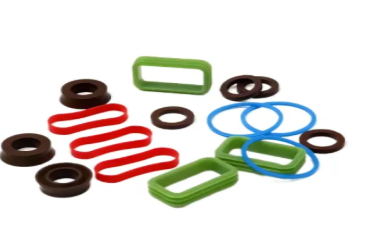
Choosing the right silicone parts manufacturer is an important step for businesses that need reliable, accurately shaped silicone components for their products. From industrial equipment and automotive systems to medical devices, electronics, and household applications, silicone parts play an essential role in modern manufacturing.
Every product has different requirements. Some need flexible sealing components, while others require molded parts with specific dimensions, textures, colors, or material properties. This is where custom silicone parts offer a practical solution. Instead of relying on standard components, businesses can work with an experienced manufacturer to develop silicone products that match their exact design and performance requirements.
Why Custom Silicone Parts Are Important for Different Industries
Standard components may not always fit the requirements of specialized products. Differences in dimensions, operating temperatures, material hardness, and working environments can affect how a component performs.Custom silicone parts allow manufacturers to address these challenges through tailored designs and production methods.
Silicone is widely used because of its flexibility, thermal stability, electrical insulation properties, and resistance to many environmental conditions. Depending on the selected silicone formulation, it can support applications that require repeated compression, flexible movement, or consistent sealing.
Common examples include:
- Silicone gaskets and sealing rings
- Rubber connectors and protective covers
- Silicone buttons and keypads
- Industrial diaphragms and valves
- Medical silicone components
- Automotive seals and molded accessories
- Custom tubing and flexible parts
By developing components according to specific product requirements, businesses can improve assembly accuracy and achieve more consistent product performance.
What to Look for in a Silicone Parts Manufacturer
Finding a suitable manufacturing partner involves more than comparing product prices. A capable silicone parts manufacturer should understand material selection, mold development, production techniques, and quality inspection.
Experience in Custom Silicone Manufacturing
Manufacturing experience helps a supplier understand the challenges involved in producing different silicone components. An experienced team can review product drawings, identify potential design problems, and recommend suitable production methods.
Before selecting a manufacturer, ask about its previous projects, production capabilities, and experience with similar applications.
Material Selection and Technical Knowledge
Different applications require different silicone materials. Factors such as hardness, elasticity, temperature exposure, chemical contact, and regulatory requirements should be considered before production begins.
A professional manufacturer should help customers select an appropriate material based on the intended application.
For example, an industrial sealing component may require a different silicone formulation from a medical device component. Selecting the correct material helps achieve the required performance and product consistency.
Advanced Mold Design and Production
Mold quality directly influences the accuracy and appearance of molded silicone products. Poor mold design can lead to dimensional variations, surface defects, or unnecessary production waste.
A capable supplier should have the technical knowledge to develop molds that match the required product geometry.
Common Manufacturing Processes for Custom Silicone Parts
The production process depends on the component’s shape, size, material, and order quantity. Several manufacturing methods are commonly used.
Liquid Silicone Rubber Injection Molding
Liquid silicone rubber (LSR) injection molding is suitable for producing detailed components with consistent dimensions. The process involves injecting liquid silicone material into a specially designed mold, where it is cured into the required shape.
LSR molding is commonly used for medical components, electronic accessories, automotive parts, and products that require intricate designs.
Its ability to support repeatable production makes it a valuable option for businesses with demanding manufacturing specifications.
Compression Molding
Compression molding is another widely used method for producing silicone components. In this process, a measured amount of silicone material is placed inside a heated mold. Pressure and temperature help the material fill the cavity and form the finished component.
This method is suitable for many gaskets, seals, rubber pads, and industrial silicone products.
Transfer Molding
Transfer molding combines aspects of compression and injection molding. Silicone material is transferred into a closed mold cavity under pressure, allowing the production of certain complex components.
The appropriate method depends on design complexity, production volume, material requirements, and cost considerations.
How Custom Silicone Parts Are Developed
A successful manufacturing project generally follows several stages. Understanding these steps helps businesses communicate their requirements and avoid unnecessary production delays.
1. Product Design and Requirement Review
The process begins with a product drawing, CAD file, sample, or detailed specification. The manufacturer reviews dimensions, tolerances, wall thickness, and other design details.
At this stage, customers should communicate the component’s intended function and operating environment.
2. Material Selection
Once the design is reviewed, the next step is selecting the appropriate silicone material. Hardness, color, elasticity, temperature requirements, and applicable industry standards should all be considered.
3. Mold Development
The mold is designed according to the approved specifications. Accurate tooling helps maintain consistent dimensions and supports efficient production.
4. Sample Production and Testing
Before beginning mass production, manufacturers can produce initial samples for evaluation. These samples allow customers to check dimensions, appearance, fit, and functional performance.
Any necessary adjustments should be completed before approving the final production process.
5. Mass Production and Quality Inspection
After sample approval, the manufacturer moves forward with production. Inspection procedures help identify defects and verify that the finished components meet agreed specifications.
Industries That Depend on Custom Silicone Parts
Custom silicone components are used across a wide range of industries because each sector has different product design and performance requirements.
Medical and Healthcare
Medical equipment manufacturers use silicone components in seals, tubing, connectors, and selected device assemblies. Medical applications require careful material selection, documentation, and quality controls appropriate to the intended use.
Automotive Manufacturing
Automotive applications include sealing rings, protective covers, vibration-control components, and flexible connectors. These parts may need to withstand temperature changes, mechanical stress, and exposure to automotive fluids.
Electronics
Silicone components are used in electronic keypads, insulation parts, protective covers, and sealing elements. Their flexibility and electrical insulation properties make them useful in many electronic products.
Industrial Equipment
Industrial machinery often requires custom gaskets, diaphragms, seals, and molded rubber components. These parts help support equipment operation and protect sensitive assemblies from external conditions.
Benefits of Working with a Custom Silicone Parts Manufacturer
Partnering with a specialized manufacturer provides several advantages for product developers and purchasing teams.
Application-specific designs: Components can be manufactured according to exact drawings, dimensions, and functional requirements.
Material flexibility: Businesses can select silicone formulations that suit their intended operating conditions.
Consistent production: Established manufacturing processes and inspection procedures help maintain product uniformity across production batches.
Design improvements: Technical feedback during development can help identify potential manufacturing problems before mass production.
Production flexibility: Depending on the supplier’s capabilities, businesses can request prototypes, small production runs, or larger manufacturing quantities.
These advantages make custom manufacturing a practical option for companies developing specialized products or improving existing designs.
How to Choose the Right Manufacturing Partner
Before placing an order, businesses should evaluate several important factors.
First, review the manufacturer’s production equipment and available molding processes. Make sure its capabilities match the component’s design and expected production volume.
Second, ask about quality management procedures, dimensional inspection, material documentation, and product testing. These details are particularly important for applications with strict technical requirements.
Third, evaluate communication and project support. A manufacturer that responds clearly to technical questions can make the development process easier.
Finally, request samples and discuss pricing, tooling costs, minimum order quantities, and expected lead times. Comparing these details helps businesses make an informed purchasing decision.
Conclusion
Custom silicone parts help businesses develop components that match specific product designs, technical requirements, and industry applications. However, achieving consistent results depends on selecting the right materials, manufacturing processes, mold designs, and inspection methods.
A reliable silicone parts manufacturer should provide technical support throughout the development process, from initial design evaluation to sample approval and mass production.
Whether a business needs silicone seals, medical components, automotive accessories, electronic keypads, or specialized industrial parts, working with an experienced manufacturing partner can simplify production and support long-term product development. By focusing on quality, technical expertise, and clear communication, companies can turn their component designs into accurately manufactured custom silicone parts.