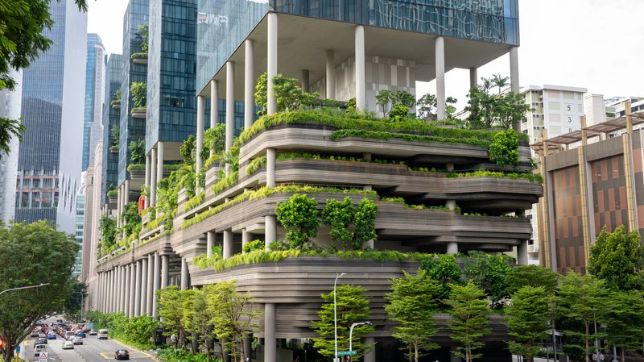
Environmental design solutions play an important role in creating a healthier, more sustainable, and environmentally responsible world. As cities grow, populations increase, and natural resources become limited, the need for thoughtful environmental planning has become more important than ever. Environmental design focuses on developing buildings, public spaces, landscapes, and communities that minimize environmental damage while improving people’s quality of life.
By combining innovative technology, sustainable materials, energy efficiency, and nature-inspired planning, Environmental Design Solutions help address challenges such as climate change, air pollution, water scarcity, and excessive energy consumption. These solutions encourage individuals, businesses, architects, and urban planners to make responsible decisions that benefit both present and future generations.
What Are Environmental Design Solutions?
Environmental Design Solutions refer to strategies, practices, and technologies used to create spaces and structures that work in harmony with the natural environment. Their primary purpose is to reduce negative environmental impacts while making buildings, cities, and outdoor areas more comfortable, efficient, and sustainable.
These solutions consider several factors, including energy consumption, water management, waste reduction, natural lighting, air quality, and the responsible use of resources. They can be applied to residential properties, commercial buildings, educational institutions, industrial facilities, and public infrastructure.
For example, installing solar panels, using recycled construction materials, creating green roofs, and designing buildings with natural ventilation are all practical examples of environmentally responsible design.
The Importance of Sustainable Environmental Design
Sustainable environmental design is essential because traditional construction and development practices often consume large amounts of natural resources. Buildings and infrastructure can contribute significantly to greenhouse gas emissions, pollution, and waste generation.
Implementing environmentally friendly design strategies offers several important benefits:
- Protecting Natural Resources: Sustainable practices reduce unnecessary consumption of water, energy, and raw materials.
- Reducing Pollution: Environmentally conscious construction helps minimize air, water, and soil pollution.
- Improving Public Health: Better ventilation, natural lighting, and green spaces create healthier living and working environments.
- Supporting Climate Action: Energy-efficient buildings and renewable energy systems help reduce carbon emissions.
- Encouraging Long-Term Savings: Efficient energy and water systems can lower operational and maintenance costs.
These benefits demonstrate why environmental sustainability should be a central consideration in modern development.
Key Elements of Environmental Design Solutions
1. Energy-Efficient Building Design
Energy efficiency is one of the most important aspects of sustainable architecture. Buildings designed to use less electricity and heating energy help reduce environmental impacts and operating expenses.
Architects can improve energy efficiency by incorporating insulated walls, energy-efficient windows, LED lighting, and smart temperature-control systems. Proper building orientation can also maximize natural daylight and reduce the need for artificial lighting.
Solar panels and other renewable energy technologies provide additional opportunities to reduce dependence on fossil fuels.
2. Sustainable Construction Materials
The materials used in construction have a significant impact on the environment. Traditional materials may require energy-intensive manufacturing processes and contribute to pollution.
Sustainable construction encourages the use of recycled steel, reclaimed wood, bamboo, recycled concrete, and other responsibly sourced materials.
Choosing durable and locally available materials can also reduce transportation emissions and minimize construction waste. These approaches support more responsible building practices without compromising functionality or appearance.
3. Water Conservation and Management
Freshwater is a valuable natural resource, making water conservation an essential part of environmental planning.
Modern design strategies include rainwater harvesting systems, low-flow faucets, water-efficient toilets, and greywater recycling. These technologies help reduce unnecessary water consumption.
Landscape designers can also incorporate native plants that require less irrigation. Permeable surfaces allow rainwater to enter the ground naturally, reducing surface runoff and supporting groundwater recharge.
4. Green Spaces and Landscape Design
Green spaces are essential for creating environmentally balanced communities. Parks, gardens, green roofs, and tree-lined streets provide natural areas that improve air quality and support biodiversity.
Plants absorb carbon dioxide, provide shade, reduce surrounding temperatures, and create habitats for birds and insects.
Urban green spaces also offer recreational opportunities and improve people’s physical and mental well-being. Integrating nature into residential and commercial developments makes communities more attractive and environmentally resilient.
5. Waste Reduction and Recycling
Waste management is another important component of environmentally responsible design. Construction, manufacturing, and everyday activities generate significant amounts of waste that can damage ecosystems when improperly managed.
Effective strategies include recycling construction materials, reusing existing structures, composting organic waste, and designing buildings with efficient waste collection systems.
Reducing material waste during the planning and construction stages can also help businesses save money while protecting natural resources.
The Role of Technology in Environmental Design
Technology is transforming the way architects, engineers, and urban planners approach sustainability. Modern innovations make it easier to monitor environmental performance, manage resources, and develop efficient infrastructure.
Smart building systems can automatically control lighting, heating, cooling, and ventilation according to occupancy and environmental conditions. Artificial intelligence and building management software can help identify energy waste and improve operational efficiency.
Other important technologies include solar energy systems, green building materials, rainwater collection equipment, and advanced insulation solutions.
Building Information Modeling (BIM) also allows professionals to evaluate design alternatives and identify potential resource inefficiencies before construction begins.
By combining technology with responsible planning, Environmental Design Solutions can become more effective and practical.
Environmental Design Solutions in Urban Planning
Urban areas face unique environmental challenges, including traffic congestion, air pollution, limited green spaces, and increasing energy demands.
Sustainable urban planning addresses these issues by creating communities that encourage walking, cycling, public transportation, and access to essential services.
Mixed-use developments can reduce the distance people need to travel for work, shopping, and recreation. Green corridors, urban forests, pedestrian-friendly streets, and sustainable drainage systems can also improve environmental conditions.
Well-planned cities are not only more environmentally responsible but also more accessible, comfortable, and resilient to changing climate conditions.
Benefits of Environmental Design for Businesses and Communities
Environmental design offers advantages that extend beyond environmental protection. Businesses can reduce operating expenses through energy-efficient equipment, improved insulation, and water-saving technologies.
Sustainable workplaces may also provide healthier indoor environments, improving employee comfort and productivity.
For communities, environmentally responsible development can increase access to recreational areas, improve neighborhood appearance, and reduce exposure to pollution.
Property owners may also benefit from increased building efficiency and greater interest in sustainable properties. As environmental awareness continues to grow, responsible design is becoming an important consideration in construction and real estate development.
Challenges in Implementing Sustainable Design
Despite its many advantages, implementing sustainable environmental practices can involve several challenges.
Initial investment costs may be higher for certain technologies, materials, and construction methods. Some regions also lack the infrastructure, technical expertise, or government support needed to adopt sustainable building practices.
In addition, environmental regulations and sustainability standards can vary between locations, making implementation more complicated for developers working across different markets.
However, these challenges can be addressed through better planning, professional education, financial incentives, technological innovation, and stronger environmental policies.
Over time, the long-term savings and environmental benefits can make sustainable design a valuable investment.
The Future of Environmental Design Solutions
The future of sustainable development will depend on the ability to combine environmental responsibility with modern innovation. New construction technologies, renewable energy systems, smart infrastructure, and climate-responsive architecture are expected to play increasingly important roles.
Circular design principles will also become more important. Instead of treating materials as disposable resources, designers will increasingly focus on reuse, repair, recycling, and extending product lifecycles.
Climate-resilient buildings and communities will be essential for addressing challenges such as extreme temperatures, flooding, and changing weather patterns.
As governments, businesses, and individuals recognize the importance of environmental protection, sustainable design practices are likely to become a standard part of modern development.
Conclusion Environmental Design Solutions
Environmental Design Solutions provide practical ways to create healthier buildings, sustainable communities, and environmentally responsible infrastructure. By focusing on energy efficiency, renewable resources, sustainable materials, water conservation, waste reduction, and green spaces, these approaches help minimize environmental damage while improving everyday life.
Although implementing sustainable design may require investment and careful planning, its long-term benefits make it an important part of responsible development. Architects, businesses, policymakers, and communities all have a role to play in creating a more sustainable future.
Ultimately, environmental design is not simply about constructing attractive buildings or developing modern cities. It is about creating spaces that respect nature, conserve resources, and support the well-being of future generations. Through thoughtful planning and continuous innovation, Environmental Design Solutions can help build a cleaner, greener, and more sustainable world.
Environmental Design Solutions Environmental Design Solutions Environmental Design Solutions Environmental Design Solutions Environmental Design Solutions Environmental Design Solutions Environmental Design Solutions Environmental Design Solutions Environmental Design Solutions Environmental Design Solutions Environmental Design Solutions Environmental Design Solutions