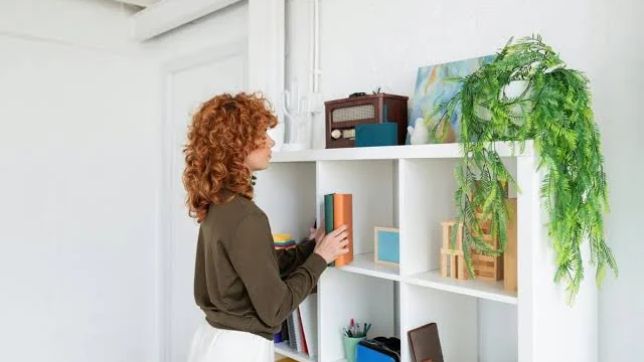
Decluttering advice often sounds like a demand to throw everything out. For most people, that is exactly what makes it hard to start. Your home holds photos, gifts, family pieces and things you simply enjoy, and none of that needs to go in the bin to make a space feel calmer.
This guide shows a practical way to clear space while keeping what matters, from sorting methods and sentimental items to room-by-room tips. It also covers when renting self storage in Croydon or a similar local option is a better answer than discarding things you are not ready to lose.
How to Prepare Before You Start Decluttering Your Home?
Picture the Space You Want to Live In
Before you move a single item, decide what you want each room to feel like. A bedroom that is calm, a kitchen where surfaces are clear, a hallway that is easy to walk through. A clear picture gives you something to measure each decision against, and it shifts your focus from what you are losing to what you are gaining.
Set Realistic Goals and a Simple Timeline
Write down why you are decluttering and what you want to achieve. It might be fitting everything into your wardrobe, preparing to move or making space for a new baby or home office. Then break the job into small stages, such as one room, one shelf or one drawer at a time, with a date for each. Short, finishable tasks keep momentum far better than a vague plan to “sort the whole house”.
Simple Decluttering Methods That Keep What Matters
The Four-Box Method: Keep, Donate, Discard and Relocate
Take everything out of one small area, such as a drawer, a shelf or a cupboard, and sort it into four boxes: keep, donate or sell, discard, and belongs elsewhere. Seeing everything together makes duplicates and forgotten items obvious. Add a fifth “undecided” box for things you cannot decide on, and revisit it after a few weeks. If you have not missed an item by then, letting it go is usually easy.
The 80/20 Approach to Everyday Belongings
Most people use a small share of what they own most of the time. Ask yourself what you actually use, wear or enjoy regularly, and treat that as your core. For the rest, ask whether it has a real purpose, whether it fits your life now, and whether you would buy it again today. Items that fail all three are good candidates to donate, sell or store.
Time-Boxed Sessions and Trial Periods
Short sessions of 20 to 30 minutes are easier to repeat than a full weekend. For clothes you are unsure about, try a trial: put them in a labelled bag, note a date a few months ahead and check whether you reached for them. If not, they can go.
How to Declutter Without Letting Go of Sentimental Items?
Sentimental items are the hardest to sort because the value is emotional rather than practical. The aim is not to get rid of them but to give them a proper place so they stop crowding your daily life.
Keep the Best, and Give Each Memory a Home
- Choose a memory box. A single box for each person or period forces you to keep the most meaningful pieces.
- Use acid-free boxes for photos, letters and documents to protect them from damage over time.
- Display the items you love. Shadow boxes, frames and gallery walls let you enjoy keepsakes instead of hiding them away.
- Digitise what you can. Scan photos, cards and children’s artwork, and back them up. You can then keep the originals you treasure most and let others go.
- Repurpose where it makes sense. Turn old t-shirts into a quilt or frame a few special cards.
Pass On Items That Still Have Life
Items in good condition can be given to friends and family, donated to charity shops or sold. Worn-out textiles can often be recycled at textile banks. Knowing something will be used again makes it much easier to part with.
When Self Storage Makes Sense for Items You Are Not Ready to Part With
Some belongings are not clutter, but they do not belong in your living space either. Examples include furniture for a future home, seasonal items, sports kit, family heirlooms and boxes you want to keep but rarely open. For these, self storage in Croydon or another convenient local site can free up room at home without forcing you to make permanent decisions.
What to Check Before Renting a Storage Unit
- Size. Measure what you plan to store and pick a unit that fits with a little room to reach things, rather than the biggest one available.
- Security. Ask what protects the site, such as CCTV, controlled access and on-site staff.
- Access. Check opening hours and how easy it is to load and unload.
- Terms and costs. Look at the minimum rental period, notice requirements and any extra charges, and compare the total cost rather than just the headline price.
- Insurance. Confirm whether your home contents policy covers items in storage, or whether you need separate cover.
How to Keep Storage Costs Sensible?
Storage works best when you keep it intentional. Only store what you genuinely plan to use or keep, label every box and keep an inventory so you can find things quickly. Review the unit every few months, and if you find you have not touched something in a year, ask whether it is worth the rent. Providers such as Snappy Self Storage offer flexible rentals, so you can start small and change as your needs change.
Room-by-Room Decluttering Tips for Every Part of Your Home
Kitchen: Clear the Counters and Cupboards
- Remove appliances you have not used in the last year.
- Sort drawers and throw away broken utensils, mismatched containers and out-of-date food.
- Keep daily items within easy reach, and move occasional items higher or further back.
Bathroom: Simplify What You Store
- Check expiry dates on medicines and cosmetics, and return old medicines to a pharmacy for safe disposal.
- Combine duplicate products and discard dried-up or unused items.
- Use shelves or caddies to keep surfaces clear.
Wardrobes: Keep Clothes You Actually Wear
- Try items on and be honest about fit and comfort.
- Group “maybe” items together and set a review date.
- Move out-of-season clothing into boxes or vacuum bags, either under the bed or in storage.
Living Spaces and Home Office: Make Space for Daily Life
- Clear surfaces and limit decorative items to those you love.
- Sort paperwork, and shred or recycle what you no longer need to keep.
- Give cables, chargers and old electronics a single box, and recycle what is obsolete after wiping any personal data.
Garage, Loft and Spare Room: Deal With the Overflow
- Group items by category, such as tools, sports kit and decorations.
- Donate or sell items you have replaced or outgrown.
- Consider off-site storage for large or seasonal items that take up valuable space.
How to Keep Your Home Clutter-Free After Decluttering?
- Give everything a home. Items without a place end up on surfaces.
- Follow a one-in, one-out rule for clothes, books and kitchen gadgets.
- Do a quick reset each week. Ten minutes is enough to keep surfaces clear.
- Review seasonally. Check wardrobes, storage boxes and your unit, if you use one, each season.
- Pause before buying. Ask whether you already own something similar.
Frequently Asked Questions About Decluttering and Storage
How do I declutter without feeling guilty about sentimental items?
Keep the pieces that carry real meaning and give them a proper place, such as a memory box, a display or secure storage. Letting go of duplicates or items you no longer connect with does not erase the memory.
Where should I start when decluttering a whole house?
Start with a small, low-emotion area such as a kitchen drawer or the bathroom cabinet. Quick wins build confidence before you tackle wardrobes, paperwork and sentimental items.
Is self storage in Croydon a good idea if I am decluttering?
It can be, when you want to keep items but do not need them at home, such as seasonal gear, spare furniture or family heirlooms. It works best as a deliberate choice, not a place to store things you have not decided on.
How long should I keep items in storage?
There is no fixed answer. Review the unit every few months and ask whether each item still earns its place. If it has not been used or wanted in a year, consider selling, donating or recycling it.
What should I not put in a storage unit?
Providers usually prohibit hazardous items such as flammable liquids, gas cylinders, food that could attract pests and anything illegal. Ask for the full list before you pack.
Start Decluttering Your Way, One Space at a Time
Decluttering is not about owning as little as possible. It is about making room for what you use and love. Picture the space you want, sort one area at a time and give your keepsakes a proper home. If you need extra space while you decide, self storage in Croydon from Snappy Self Storage can give you room to breathe without forcing you to get rid of anything you are not ready to lose.