The Harlem Renaissance, which flourished during the 1910s, 1920s, and 1930s, was a remarkable period of African American cultural, artistic, and intellectual achievement. Centered in Harlem, New York City, this influential movement transformed literature, music, visual arts, and fashion. While writers, musicians, and artists challenged racial stereotypes through their creative work, fashion became another powerful way for African Americans to express their individuality, celebrate their heritage, and demand recognition.
Harlem Renaissance fashion was much more than a collection of stylish clothes. It represented dignity, ambition, creativity, and resistance against racial discrimination. Men embraced carefully tailored suits and sophisticated accessories, while women experimented with glamorous dresses, elegant hats, and eye-catching jewelry. Jazz clubs, dance halls, theaters, and busy streets became showcases for distinctive Black style. The fashion of this era also reflected the influence of the Jazz Age, changing social attitudes, and the growing confidence of African American communities. Its legacy continues to influence contemporary fashion, particularly Black dandyism, vintage-inspired clothing, and modern interpretations of classic elegance.
The Historical Background of Harlem Renaissance Fashion
The Harlem Renaissance developed during a period of significant social change in the United States. The Great Migration brought millions of African Americans from the rural South to Northern cities, including New York, Chicago, and Philadelphia. Many people moved in search of employment, education, safety, and greater opportunities, although racial discrimination remained widespread.
Harlem became a major center of African American cultural life. Its theaters, music venues, restaurants, churches, and social clubs encouraged artistic expression and community building. Fashion naturally became part of this transformation.
Clothing allowed African Americans to challenge negative racial stereotypes and present themselves with confidence. Wearing elegant, well-maintained garments communicated professionalism, self-respect, and personal ambition. Fashion also provided opportunities to experiment with color, texture, tailoring, and accessories.
Although many residents faced economic difficulties, stylish dressing remained important across different social groups. Some people invested in expensive garments, while others created fashionable appearances through careful grooming, affordable clothing, and creative combinations. Harlem Renaissance fashion therefore represented both luxury and resourcefulness.
Men’s Dandyism and Sophisticated Tailoring
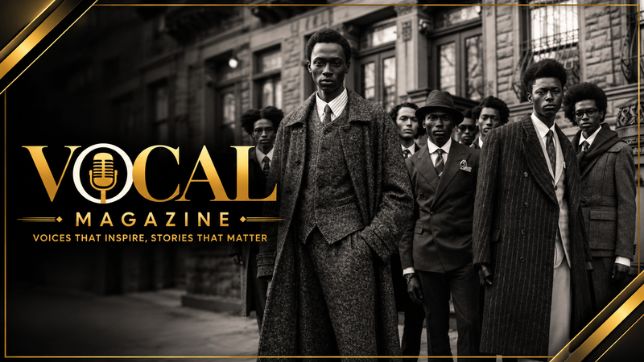
One of the most recognizable features of Harlem Renaissance fashion was men’s dandyism. Black dandyism emphasized exceptional grooming, carefully coordinated clothing, and attention to detail. It demonstrated that fashion could communicate personality, social ambition, and cultural identity.
Men frequently wore tailored suits featuring structured jackets, defined shoulders, fitted waists, and high-waisted trousers. Depending on personal preference and occasion, trousers could be straight-legged, generously cut, or pleated. Three-piece suits, waistcoats, crisp shirts, and polished shoes created a refined appearance.
Accessories played an equally important role. Silk ties, pocket squares, suspenders, cufflinks, and decorative tie pins added individuality. Fedoras, bowler hats, and newsboy caps completed many outfits, although hat styles varied according to personal taste and social setting.
For many African American men, dressing elegantly was a deliberate statement of dignity. In a society that frequently denied them equal treatment, presenting themselves with sophistication challenged assumptions about race, class, and respectability.
However, Black dandyism was not simply an attempt to imitate white society. It also involved creativity, self-definition, and the transformation of established fashion conventions. Men used clothing to establish their own standards of elegance and demonstrate that Black identity could be expressed through confidence, innovation, and personal style.
Women’s Glamour and Jazz Age Elegance
Women’s fashion during the Harlem Renaissance combined the broader trends of the Jazz Age with distinctive expressions of glamour and individuality. The decade’s changing social attitudes encouraged many women to experiment with clothing, hairstyles, makeup, and accessories.
Drop-waist dresses became popular during the 1920s, creating a relaxed silhouette that differed from the restrictive fashions of earlier decades. Straight-cut dresses, beaded evening gowns, silk garments, velvet fabrics, and decorative embellishments were especially suitable for parties, performances, and formal occasions.
Evening wear often featured sequins, embroidery, fringe, and sparkling beads that caught the light as women danced. Long pearl necklaces, bracelets, earrings, feather boas, and fur stoles added sophistication. Women also wore headbands and decorative hair accessories that complemented short hairstyles, including the fashionable bob.
Footwear was important for both appearance and movement. T-strap shoes, Mary Jane-style heels, and other decorative dancing shoes complemented evening dresses and supported popular social dances.
Fashionable women also understood the importance of presentation beyond clothing. Carefully styled hair, coordinated accessories, and makeup contributed to a complete appearance.
Although the flapper look influenced the decade’s fashion, African American women’s styles were not identical to those of their white contemporaries. Their experiences, communities, economic circumstances, and creative choices shaped how they adopted and adapted popular trends.
Jazz Clubs, Dance Halls, and Fashionable Nightlife
Harlem’s nightlife provided an important setting for fashion during the Renaissance. Music venues and dance halls brought together performers, visitors, residents, and cultural figures, creating environments where clothing became part of the entertainment experience.
The Cotton Club became famous for its musical performances, while the Savoy Ballroom developed a reputation as an important center of social dancing. These venues contributed to Harlem’s cultural influence, although they differed in their audiences, practices, and relationships with African American performers and communities.
Live jazz encouraged movement, improvisation, and energetic dancing. Women’s flowing dresses and decorative fringe created visual drama on the dance floor, while men’s suits and polished shoes complemented the rhythm and excitement of the music.
The Lindy Hop and Charleston influenced the practical requirements of dancewear. Garments needed to allow freedom of movement without sacrificing style. Shoes also had to provide comfort and stability during extended dancing.
Nightlife fashion extended beyond performers and celebrities. Visitors dressed carefully for evenings out, and attending a club or ballroom offered an opportunity to display personal taste and social confidence.
These venues helped establish Harlem as a cultural destination, making its distinctive styles visible to wider audiences. Fashion, music, and dance together contributed to the image of Harlem as a center of modern Black creativity.
Sophisticated Daywear and Street Style
Although evening glamour attracted attention, everyday clothing was equally significant in Harlem Renaissance fashion. Streets, shops, restaurants, and neighborhood gathering places provided opportunities for people to demonstrate their style during ordinary activities.
Men often wore tweed suits, wool trousers, collared shirts, overcoats, and carefully selected hats. Depending on their occupations and circumstances, they might choose formal business clothing or more relaxed combinations for daily errands.
Women wore practical day dresses, tailored skirts, blouses, cardigans, and structured coats. Wool and other heavier fabrics offered warmth during colder months, while lighter materials suited warmer weather.
Cloche hats were especially fashionable during the 1920s. Their close-fitting shapes complemented the shorter hairstyles that became popular during the decade. Women also wore other hat styles, including brimmed designs, depending on the occasion and prevailing trends.
Coats, gloves, handbags, and shoes helped complete everyday outfits. Some garments featured fur collars or decorative trim, while others emphasized clean lines and understated elegance.
Harlem’s commercial streets, particularly 125th Street, formed an important backdrop for this visual culture. Walking through the neighborhood could become an opportunity to display a carefully assembled outfit.
Street style demonstrated that fashion was not restricted to wealthy individuals or celebrated performers. Ordinary people also participated in creating Harlem’s fashionable identity through grooming, clothing choices, and individual expression.
The Influence of Music, Art, and African American Identity
Harlem Renaissance fashion developed alongside the movement’s broader artistic achievements. Jazz musicians, dancers, writers, photographers, and visual artists helped shape the cultural environment in which distinctive styles flourished.
Performers often used clothing to establish recognizable stage identities. Elegant suits, dramatic gowns, and carefully chosen accessories enhanced their public images and complemented their performances.
Artists and photographers also documented fashionable individuals, preserving visual evidence of the period’s changing styles. Portraits and photographs reveal the importance of presentation, from formal tailoring to elaborate eveningwear.
The movement encouraged African Americans to celebrate their cultural heritage and challenge representations that reduced Black identity to harmful stereotypes. Fashion became one means of expressing this confidence.
Not every fashionable choice represented an explicit political statement. Some people dressed primarily for pleasure, social participation, professional advancement, or personal satisfaction. Nevertheless, the wider social context gave clothing an additional significance.
By presenting themselves on their own terms, African Americans contributed to a broader cultural movement that challenged exclusion and expanded public understandings of Black life.
The Evolution of Harlem Style and the Zoot Suit
Harlem Renaissance fashion also influenced later developments in African American style. However, it is important to distinguish the original Renaissance period from fashion movements that emerged afterward.
The extravagant zoot suit, associated particularly with the late 1930s and 1940s, featured dramatically oversized jackets, broad shoulders, and voluminous trousers. Although its popularity overlapped with the later years of the Harlem Renaissance’s cultural influence, it became most strongly associated with a subsequent generation of urban fashion.
Similarly, the London drape suit emerged from British tailoring traditions and became influential in men’s fashion during the 1930s. Its fuller cut offered an alternative to narrower suit silhouettes.
These developments reflected the continuing importance of tailoring, proportion, and personal presentation. Later Black fashion movements built upon earlier traditions of stylish dressing while introducing new cultural meanings and visual innovations.
The influence of Harlem’s fashionable men and women can therefore be understood as part of a longer history of Black style rather than a single, unchanging aesthetic.
The Lasting Legacy of Harlem Renaissance Fashion
The influence of Harlem Renaissance fashion remains visible in contemporary clothing, entertainment, photography, and popular culture. Designers frequently revisit the period’s tailored suits, beaded dresses, elegant hats, and luxurious accessories.
Modern Black dandyism continues to explore the relationship between clothing, identity, creativity, and social expectations. Contemporary designers and style enthusiasts reinterpret traditional tailoring through unusual colors, bold patterns, unconventional proportions, and innovative combinations.
Vintage fashion has also renewed interest in the silhouettes and materials associated with the 1920s and 1930s. Beaded eveningwear, pearl accessories, cloche hats, and classic formal suits regularly appear in themed events, editorial photography, and period-inspired collections.
Beyond individual garments, the era’s most enduring contribution is its understanding of fashion as a form of self-expression. Harlem’s stylish residents demonstrated that clothing could communicate confidence, ambition, and belonging.
Their influence extends beyond trends because it connects fashion with cultural history. The clothes people wear can reflect their experiences, challenge expectations, and create new possibilities for representation.
Conclusion Harlem Renaissance Fashion
Harlem Renaissance fashion was an essential part of one of the most influential cultural movements in African American history. From men’s carefully tailored suits to women’s glamorous evening gowns, clothing expressed creativity, dignity, ambition, and cultural pride.
Jazz clubs, dance halls, and everyday streets provided spaces where people displayed their individuality and helped shape Harlem’s distinctive visual identity. Accessories, hairstyles, fabrics, and silhouettes all contributed to a fashion culture that balanced popular trends with personal innovation.
Most importantly, Harlem Renaissance fashion demonstrated that style could communicate more than wealth or social status. It could challenge stereotypes, celebrate identity, and support a broader movement toward cultural recognition and equality.
Today, the period remains an important source of inspiration for designers, historians, and fashion enthusiasts. Its legacy reminds us that clothing is not merely something people wear; it is also a powerful language through which individuals and communities express who they are and how they wish to be seen.
Frequently Asked Questions (FAQs) Harlem Renaissance Fashion
What was Harlem Renaissance fashion?
Harlem Renaissance fashion was a distinctive style movement that flourished during the 1910s, 1920s, and 1930s. It combined Jazz Age trends, elegant tailoring, glamorous dresses, and vintage accessories while expressing African American identity, creativity, and cultural pride.
What did men wear during the Harlem Renaissance?
Men commonly wore tailored suits, high-waisted trousers, waistcoats, silk ties, pocket squares, suspenders, and polished shoes. Popular accessories included fedoras, newsboy caps, and other fashionable hats. These styles reflected sophistication, confidence, and Black dandyism.
What did women wear during the Harlem Renaissance?
Women often wore drop-waist dresses, beaded evening gowns, silk and velvet garments, pearl necklaces, feather boas, and decorative headbands. Cloche hats, bobbed hairstyles, and T-strap shoes were also popular during the 1920s.
How did Harlem Renaissance fashion express African American identity?
Fashion provided African Americans with a way to express individuality, dignity, and cultural pride. Elegant clothing challenged racial stereotypes and allowed people to present themselves confidently while participating in a broader cultural movement.
How does Harlem Renaissance fashion influence modern style?
Harlem Renaissance fashion continues to inspire modern designers through classic tailoring, vintage silhouettes, statement accessories, glamorous eveningwear, and Black dandyism. Its legacy demonstrates how clothing can communicate cultural identity, creativity, and personal expression.
What role did jazz clubs play in Harlem Renaissance fashion?
Jazz clubs and dance halls provided spaces where fashionable clothing became part of the social experience. Venues such as the Cotton Club and Savoy Ballroom helped showcase elegant suits, glamorous dresses, and styles suited to dancing and musical performances.
Harlem Renaissance Fashion Harlem Renaissance Fashion Harlem Renaissance Fashion Harlem Renaissance Fashion Harlem Renaissance Fashion