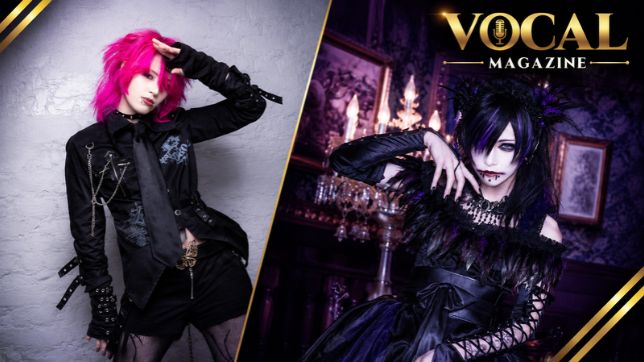
Visual Kei Fashion is a distinctive style rooted in Japanese rock music and performance culture. Known for dramatic hairstyles, expressive makeup, elaborate clothing, and striking accessories, it challenges conventional ideas about appearance and identity. Rather than following a single dress code, this movement encourages musicians and fans to experiment with different looks, from gothic elegance to punk-inspired rebellion.
Emerging alongside Japanese rock culture, Visual Kei became recognizable through artists who treated their appearance as an essential part of their musical identity. Today, its influence extends beyond concerts into Japanese street fashion and global alternative fashion communities. Its enduring appeal lies in the freedom to combine contrasting influences and create a look that reflects individual personality.
The History and Origins of Visual Kei
Visual Kei developed during the 1980s in Japan, particularly within the rock and heavy metal music scenes. Musicians began experimenting with theatrical costumes, unusual hairstyles, and expressive makeup to create memorable stage identities. The movement became associated with bands that viewed visual presentation as an important extension of their music.
During the late 1980s and 1990s, groups such as X Japan helped bring this aesthetic to wider attention. Their performances and striking appearances demonstrated how fashion could contribute to a band’s identity and atmosphere.
As Japanese rock reached international audiences, fans began adopting similar clothing, hairstyles, and makeup. Music magazines, concerts, fan communities, and online platforms helped the style spread beyond Japan. Although its popularity and visibility have changed over time, the movement continues to inspire musicians, artists, and fashion enthusiasts.
Defining Characteristics of Visual Kei Fashion
One of the most recognizable features of Visual Kei Fashion is its dramatic appearance. However, the movement includes many different aesthetics rather than one universal uniform.
Dramatic Clothing and Layered Outfits
Clothing often combines contrasting textures, silhouettes, and materials. Leather jackets, fitted trousers, lace shirts, long coats, distressed fabrics, and decorative vests can all appear in different interpretations. Some outfits emphasize dark colors, while others incorporate bright shades, metallic details, or elaborate patterns.
Layered outfits are especially useful for creating depth. Combining a fitted shirt with a waistcoat, statement jacket, and carefully selected accessories can produce a theatrical look without requiring an entirely new wardrobe.
Hairstyles and Dramatic Makeup
Hair and makeup are central to many interpretations of the visual kei style. Hairstyles may feature spikes, asymmetrical cuts, dramatic volume, unusual colors, or carefully arranged layers. Some musicians choose elaborate styling for performances, while fans adapt these ideas into more practical everyday looks.
Dramatic makeup can include dark eyeliner, smoky eyes, pale foundation, defined lips, or artistic patterns. The intensity varies considerably, from subtle accents to highly theatrical designs. Makeup is not simply decorative; it can help communicate a particular mood, character, or artistic identity.
Accessories and Finishing Details
Accessories give an outfit its personality. Chains, rings, chokers, belts, gloves, platform boots, and decorative jewelry can complement the clothing. Gothic-inspired pieces create an elegant, mysterious atmosphere, while studs and distressed accessories introduce a punk influence.
The key is balance. Choosing a few noticeable accessories often creates a stronger result than adding every available item.
Different Styles Within the Movement
Visual Kei is not one fixed fashion category. Its diversity allows people to explore different influences according to their musical interests and personal preferences.
Gothic-inspired style: This interpretation often features black clothing, lace, corset-inspired details, elaborate jewelry, and romantic or mysterious elements.
Punk-inspired style: Ripped fabrics, leather, studs, bold hairstyles, and distressed clothing create a rebellious appearance influenced by punk music.
Elegant and theatrical style: Tailored coats, decorative fabrics, elaborate accessories, and carefully styled hair produce a refined, stage-inspired look.
Colorful and experimental style: Some interpretations use vivid hair colors, unusual combinations, playful accessories, and unconventional silhouettes.
These approaches can overlap. Many enthusiasts combine elements from several aesthetics rather than following one category exclusively.
How to Create a Visual Kei-Inspired Outfit
Building an outfit inspired by Visual Kei Fashion does not require expensive designer clothing. Start with a style that appeals to you and build around a few distinctive pieces.
First, choose a foundation, such as black jeans, fitted trousers, a graphic shirt, or a tailored jacket. Next, introduce texture through lace, leather, mesh, velvet, or distressed fabrics. Layering different materials can make a simple outfit feel more expressive.
Then consider footwear. Platform boots, combat boots, and pointed shoes can complement theatrical or alternative looks. Select accessories that support your chosen aesthetic, such as chains for a punk-inspired outfit or ornate jewelry for a gothic appearance.
Finally, experiment with hair and makeup at a comfortable pace. Temporary hair color, styling products, eyeliner, and subtle cosmetic details offer accessible starting points. You can gradually introduce more dramatic elements as your confidence grows.
Most importantly, prioritize comfort, fit, and personal expression. An outfit should reflect your interests rather than simply reproduce a musician’s appearance.
Influence on Japanese Street Fashion and Global Culture
Visual Kei has contributed to the wider visibility of alternative fashion by showing how clothing, music, and performance can work together. Its theatrical presentation shares certain visual elements with gothic and punk fashion, although it developed within a distinct Japanese musical context.
The internet has made it easier for international fans to discover bands, exchange styling ideas, share photographs, and learn makeup techniques. Concerts and fan communities also help preserve the connection between the music and its visual traditions.
Although the movement intersects with other Japanese fashion scenes, it should not be treated as interchangeable with every form of Japanese street fashion. Its close relationship with rock performance and musical identity remains an important distinction.
Conclusion Visual Kei Fashion
Visual Kei Fashion remains an expressive movement that combines Japanese rock culture with theatrical clothing, creative hairstyles, dramatic makeup, and carefully chosen accessories. Its diversity makes it suitable for people who prefer gothic elegance, punk-inspired clothing, colorful experimentation, or a mixture of influences.
Whether you are discovering the movement through music or exploring alternative fashion for the first time, begin with pieces that feel authentic to you. Experiment with layers, textures, and accessories, and develop your own interpretation. Ultimately, the greatest strength of this style is its celebration of individuality, creativity, and freedom of expression.
Frequently Asked Questions (FAQs)
1. What is Visual Kei Fashion?
Visual Kei Fashion is a Japanese alternative fashion style influenced by rock music, featuring dramatic hairstyles, expressive makeup, distinctive clothing, and bold accessories.
2. Where did Visual Kei Fashion originate?
Visual Kei originated in Japan during the 1980s, developing within the rock and heavy metal music scenes. Musicians used theatrical outfits and distinctive appearances to express their artistic identities.
3. What are the main characteristics of Visual Kei Fashion?
Its main characteristics include layered outfits, leather jackets, gothic clothing, punk-inspired details, dramatic makeup, unusual hairstyles, platform boots, and statement accessories.
4. Is Visual Kei Fashion the same as gothic fashion?
No. Although both styles may feature dark clothing, lace, and dramatic makeup, Visual Kei is closely connected to Japanese rock music and theatrical performance. Gothic fashion has its own distinct history and influences.
5. What clothing is suitable for a Visual Kei-inspired outfit?
You can start with fitted trousers, graphic shirts, leather jackets, lace tops, long coats, or distressed clothing. Platform boots, belts, chains, and rings can add character to your outfit.
6. Is Visual Kei Fashion suitable for beginners?
Yes. Beginners can start with simple black clothing, subtle eyeliner, layered accessories, and distinctive hairstyles. You can gradually experiment with more elaborate outfits as your confidence grows.
7. What role does makeup play in Visual Kei Fashion?
Makeup helps create the dramatic and expressive appearance associated with many Visual Kei artists. Popular choices include smoky eyes, dark eyeliner, defined lips, and artistic designs.
8. How has Visual Kei influenced Japanese street fashion?
Visual Kei has helped popularize theatrical styling, experimental hairstyles, and alternative clothing inspired by Japanese rock culture. Its influence can also be seen in international music and alternative fashion communities.
9. Can I create a Visual Kei outfit on a budget?
Yes. You can combine affordable secondhand clothing with basic accessories, DIY embellishments, and creative makeup. Mixing existing wardrobe pieces is an effective way to develop a distinctive look without spending much money.
10. Why is Visual Kei Fashion popular among alternative fashion enthusiasts?
Visual Kei appeals to alternative fashion enthusiasts because it encourages individuality, creativity, and freedom of expression. Its diverse styles allow people to experiment with different looks while expressing their personalities and musical interests.