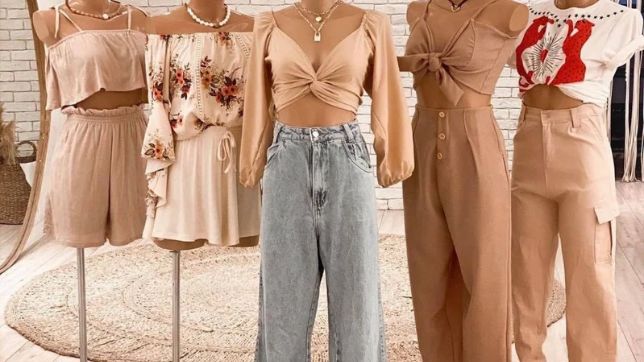
Knowing what to wear to a funeral can be challenging, especially when attending a service for someone close to you or participating in a cultural tradition that you may not fully understand. Funeral attire is more than just clothing; it represents respect for the deceased, support for grieving family members, and an understanding of the occasion’s seriousness. While traditional funeral clothing often includes black or other dark colors, modern funeral dress codes can vary depending on religious beliefs, cultural customs, family preferences, and the location of the service.
Choosing the right outfit does not have to be complicated. By focusing on modesty, simplicity, comfort, and respect, you can select appropriate clothing that allows you to participate in the service without drawing unnecessary attention. This guide explains what to wear to a funeral, including outfit ideas for men and women, seasonal clothing recommendations, footwear choices, and common mistakes to avoid.
1. Understanding Traditional Funeral Dress Codes
Traditional funeral attire is generally conservative, understated, and respectful. Black has long been associated with mourning in many Western cultures, making it a common choice for funeral services. However, black is not the only acceptable option.
Navy blue, charcoal gray, dark brown, and other muted colors can also be appropriate. The most important consideration is whether your clothing suits the tone of the ceremony and respects the wishes of the deceased’s family.
Before choosing an outfit, consider the type of service you will attend. A formal religious funeral may require more conservative clothing than a casual memorial gathering. Some families may also request specific colors or ask guests to wear bright clothing to celebrate the person’s life.
When no dress code is provided, a simple, neat, and modest outfit is usually the safest choice.
2. What Should Men Wear to a Funeral?
Men can choose from several appropriate funeral outfits, depending on the formality of the occasion, the weather, and the clothing available.
A Dark Suit and Dress Shirt
A dark suit is one of the most traditional choices for a formal funeral. A black, charcoal, or navy suit paired with a white or light-colored dress shirt creates a polished and respectful appearance.
A simple dark tie can complete the outfit. Although a tie is appropriate for formal services, it may not be necessary for every funeral, particularly informal memorial gatherings.
Dress Trousers and a Button-Down Shirt
If you do not own a suit, dress trousers and a button-down shirt are suitable alternatives. Choose neutral or dark colors and ensure that the clothes are clean, pressed, and well-fitting.
A blazer can make this combination more formal when needed. Avoid shirts with large logos, loud patterns, or distracting graphics.
Appropriate Shoes and Accessories
Black or dark brown dress shoes are generally suitable for funeral services. Make sure they are clean and comfortable enough for standing or walking.
Accessories should remain simple. A modest watch, a plain belt, and a conservative tie are usually sufficient. Avoid flashy jewelry or accessories that attract unnecessary attention.
3. What Should Women Wear to a Funeral?
Women have many options for funeral attire, including dresses, skirts, trousers, blouses, and traditional clothing. The best choice depends on personal preference, cultural expectations, religious requirements, and the formality of the service.
Conservative Dresses
A simple black, navy, or dark-colored dress is a classic funeral outfit. Knee-length or longer dresses are often suitable, particularly when attending a traditional religious service.
Choose a design that provides appropriate coverage and allows you to sit, stand, and move comfortably. Dresses with excessive sparkle, dramatic cutouts, or very low necklines may be unsuitable for a conservative setting.
Blouses and Trousers
A modest blouse paired with tailored trousers offers a comfortable and respectful alternative to a dress. Neutral colors and simple designs work well for most funeral settings.
A cardigan, blazer, or lightweight jacket can add coverage and make the outfit more formal. This combination is particularly practical for outdoor services or funerals held during cooler weather.
Skirts and Traditional Clothing
A knee-length or longer skirt paired with a blouse can be an appropriate option. In cultures where traditional clothing is preferred, a modest shalwar kameez, sari, or another culturally suitable outfit may be more appropriate than Western formalwear.
The main objective is to choose clothing that reflects respect for the deceased and the family’s traditions.
4. What Colors Are Appropriate for a Funeral?
Color is one of the first things people consider when deciding what to wear to a funeral. Although black is widely recognized as a mourning color, different cultures and families have different expectations.
Commonly appropriate colors include:
- Black: A traditional choice associated with mourning and formality.
- Navy blue: A respectful alternative that remains understated.
- Charcoal gray: A versatile neutral suitable for formal occasions.
- Dark brown: An understated option for less formal services.
- White or cream: Appropriate in some cultures and religious traditions, particularly where white is associated with mourning or remembrance.
- Muted colors: Soft gray, subdued green, and other understated shades may be acceptable when the family prefers less traditional clothing.
Avoid assuming that every funeral requires black. In some cultures, white is customary, while other families may encourage guests to wear colorful clothing to honor the deceased’s personality.
If the family has requested a particular color or theme, follow those instructions whenever possible.
5. What to Wear to a Funeral in Different Seasons
Weather conditions can influence your choice of funeral attire. Selecting clothing appropriate for the season helps you remain comfortable while maintaining a respectful appearance.
Spring and Summer Funerals
For warm weather, choose lightweight and breathable fabrics such as cotton, linen blends, or other comfortable materials. Dark trousers, a modest dress, or a lightweight suit can work well.
Outdoor funerals may involve prolonged standing, walking, or sitting in direct sunlight. Comfortable footwear and weather-appropriate layers are therefore important.
Avoid overly casual clothing, such as beachwear, athletic shorts, or sleeveless tops that do not suit the service’s dress code.
Autumn and Winter Funerals
For colder weather, consider a dark coat, tailored jacket, sweater, or formal outerwear. Layering allows you to stay warm without compromising the appearance of your outfit.
Closed-toe shoes or weather-appropriate boots can be useful during cold or wet conditions. If the funeral includes an outdoor burial, consider bringing an umbrella and wearing practical shoes suitable for the ground.
Choose outerwear that complements your outfit and remains appropriate for the occasion.
6. What Shoes Should You Wear to a Funeral?
Footwear should be clean, comfortable, and suitable for the setting. You may need to walk between locations, stand during the service, or spend time outdoors.
For men, traditional dress shoes, loafers, and understated formal footwear are reliable choices. Women may choose flats, low heels, modest pumps, or simple closed-toe shoes.
High heels are not necessary and may be uncomfortable on grass, gravel, or uneven surfaces. Clean, understated shoes are often more practical than fashionable footwear designed primarily for appearance.
If the family or religious venue requires removing shoes, follow the applicable customs.
7. Funeral Attire for Children and Teenagers
Children and teenagers should generally wear neat, modest clothing that reflects the seriousness of the occasion. However, comfort is also important, particularly for younger children who may struggle with restrictive formalwear.
Boys might wear dark trousers with a collared shirt, while girls could wear a simple dress, skirt, or trousers with a modest top. Teenagers can follow similar guidelines to adults, choosing understated outfits appropriate for their age.
A full formal suit is not always necessary. Clean trousers, a plain shirt, and appropriate shoes may be sufficient.
Parents should also consider the length of the service, weather conditions, and the child’s ability to sit comfortably.
8. Religious and Cultural Considerations
Funeral clothing expectations can differ considerably across religious and cultural traditions. Understanding these differences helps guests avoid unintentionally disrespectful choices.
In many Christian funeral services, dark and conservative clothing is common, although practices vary among denominations and families.
At Muslim funerals, modest clothing is generally important. Men may wear modest trousers and shirts or traditional clothing, while women may choose loose-fitting clothing that covers the body appropriately. Head coverings may be expected in some settings.
Hindu funeral customs vary by community and family. White clothing is traditionally associated with mourning in many Hindu communities, although expectations are not identical everywhere.
Other religious and cultural traditions may have their own requirements regarding colors, head coverings, footwear, and modesty.
When uncertain, ask a family member or someone familiar with the ceremony. Respecting the family’s customs is more important than following a single universal dress code.
9. What Not to Wear to a Funeral
Knowing what to avoid can be just as useful as knowing what to wear. Unless the family specifies otherwise, it is best to avoid clothing that could distract from the purpose of the gathering.
Common choices to avoid include:
- Extremely short skirts or dresses that are unsuitable for the setting.
- Tops with revealing cutouts or very low necklines.
- Clothing with offensive slogans or large, distracting graphics.
- Bright neon colors or bold patterns when the dress code is conservative.
- Excessively flashy jewelry and attention-grabbing accessories.
- Dirty, damaged, or visibly unkempt clothing.
- Beachwear, athletic outfits, and overly casual clothing at formal services.
These guidelines are not absolute rules. A celebration-of-life ceremony, for example, may specifically invite bright colors or casual clothing. Always prioritize the family’s instructions over general expectations.
10. Grooming, Accessories, and Personal Presentation
A respectful funeral outfit includes more than clothing. Personal grooming and understated accessories also contribute to an appropriate appearance.
Keep hairstyles neat and accessories simple. Makeup, if worn, can be subtle, although there is no universal requirement regarding makeup or personal grooming styles.
Avoid strong fragrances, particularly in small indoor spaces where other attendees may be sensitive to scents.
Bring any practical items you may need, such as tissues, a small umbrella, or a light jacket. These details can make the experience more comfortable without drawing attention away from the ceremony.
Remember that the goal is not to create a perfect fashion statement. It is to show consideration for the people attending and the person being remembered.
11. What to Wear When You Do Not Own Formal Clothing
Not everyone owns a black suit, an expensive dress, or traditional funeral clothing. Fortunately, respectful attire does not need to be costly.
You can create an appropriate outfit using clean, simple pieces already in your wardrobe. Dark jeans without rips may be acceptable at an informal memorial, particularly when paired with a plain shirt and clean shoes. However, tailored trousers are a safer choice for formal services.
A plain sweater, modest blouse, collared shirt, or simple dark dress can also work well. Borrowing a jacket or choosing versatile clothing may help when a more formal appearance is expected.
Focus on cleanliness, modesty, and suitability rather than expensive brands. Thoughtfulness matters more than the price of your outfit.
Conclusion
Deciding what to wear to a funeral becomes easier when you understand the purpose of funeral attire. The most appropriate outfit is one that demonstrates respect for the deceased, supports grieving family members, and reflects the cultural or religious expectations of the service.
Dark suits, conservative dresses, tailored trousers, modest traditional clothing, and simple accessories are reliable choices for many funerals. However, no single color or clothing style is appropriate for every situation. Cultural traditions, family requests, weather conditions, and the formality of the event should guide your decision.
When in doubt, choose clean, modest, understated clothing and ask about the dress code if necessary. You do not need expensive clothing to make a respectful impression. By dressing thoughtfully and focusing on supporting those who are grieving, you can attend the funeral with confidence and help honor the memory of the person who has passed away.
Frequently Asked Questions (FAQs) What to Wear to a Funeral
1. What is the most appropriate thing to wear to a funeral?
The most appropriate funeral attire is clean, modest, and respectful clothing. A dark suit, conservative dress, tailored trousers, or a simple blouse with a skirt is generally suitable. Always consider the family’s wishes and the formality of the service.
2. Do you have to wear black to a funeral?
No, wearing black is not always necessary. Navy blue, charcoal gray, dark brown, and other muted colors are usually acceptable. Some religious and cultural traditions prefer white or other specific colors, so check the funeral’s dress code when possible.
3. What should a woman wear to a funeral?
A woman can wear a modest dress, a skirt with a blouse, or tailored trousers with a conservative top. Dark or neutral colors are common choices. Comfortable shoes and simple accessories help create a respectful appearance.
4. What should a man wear to a funeral?
Men can wear a dark suit, dress trousers with a button-down shirt, or a blazer with formal pants. A tie is appropriate for formal services but may not be necessary for informal memorial gatherings.
5. Can you wear jeans to a funeral?
Jeans may be acceptable at casual funerals or celebrations of life, depending on the family’s preferences. If you choose jeans, select a clean, dark pair without rips and combine them with a neat shirt and appropriate shoes. Dress trousers are safer for formal services.
6. What colors should you avoid wearing to a funeral?
Bright neon colors, flashy patterns, and attention-grabbing designs are generally best avoided at traditional funerals. However, some families encourage colorful clothing to celebrate the deceased’s life. Follow any specific instructions provided by the family.
7. What shoes are appropriate for a funeral?
Dress shoes, loafers, flats, low heels, and simple closed-toe shoes are suitable options. Choose comfortable footwear, especially if the service includes an outdoor burial or extended periods of standing and walking.
8. What should you wear to a funeral in summer?
For a summer funeral, choose lightweight, breathable clothing such as a modest dress, tailored trousers, or a lightweight suit. Neutral and dark colors are traditional choices, but the family’s dress code should take priority.
9. What should you wear to a funeral in winter?
Winter funeral attire can include a dark coat, formal trousers, a sweater, a modest dress, and weather-appropriate shoes. Layering helps you stay warm while maintaining a neat and respectful appearance.
10. Is white appropriate to wear to a funeral?
White is appropriate in some cultures and religious traditions, including many Hindu mourning customs. In other settings, dark colors may be more traditional. Consider the family’s cultural background and the expectations of the ceremony.
11. What should you wear to a funeral if you do not own formal clothes?
You can wear clean, simple clothing from your existing wardrobe. A plain shirt, dark trousers, a modest blouse, or an understated dress can be appropriate. Expensive clothing is not necessary to show respect.
12. Should you ask about the funeral dress code?
Yes. If you are unsure what to wear, asking a family member or funeral organizer is a thoughtful approach. They can clarify whether the service requires formal clothing, traditional attire, specific colors, or a casual celebration-of-life dress code.
What to Wear to a Funeral What to Wear to a Funeral What to Wear to a Funeral What to Wear to a Funeral What to Wear to a Funeral What to Wear to a Funeral What to Wear to a Funeral What to Wear to a Funeral What to Wear to a Funeral What to Wear to a Funeral
What toWear to a Funeral What to Wear to a Funeral What to Wear to a Funeral What to Wear to a Funeral What to Wear to a Funeral What to Wear to a Funeral What to Wear to a Funeral What to Wear to a Funeral What to Wear to a Funeral What to Wear to a Funeral What to Wear to a Funeral Funeral What to Wear to a Funeral