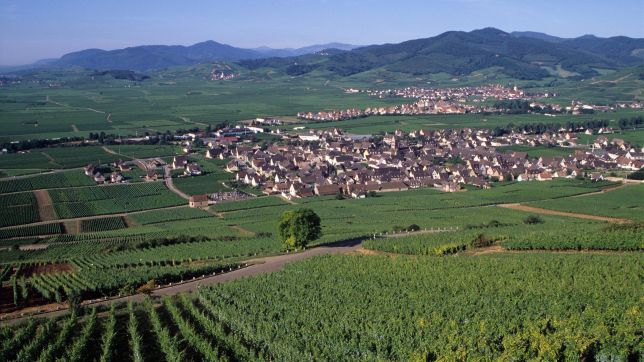
Tatavel is a term commonly associated with Tautavel, a historic commune located in the Pyrénées-Orientales department of southern France. Although the spelling Tatavel is frequently used in online searches, the officially recognized name of the French destination is Tautavel. This small but fascinating village is internationally recognized for its archaeological discoveries, ancient human fossils, beautiful natural surroundings, and traditional wine production.
Beyond its historical importance, Tatavel can also refer to Tatavel.com, a digital travel guide and destination platform that provides travel inspiration, recommendations, and information for people interested in discovering new places. Both interpretations connect the name with exploration, discovery, and travel.
In this article, we explore the history, cultural importance, archaeological discoveries, natural beauty, wine traditions, and modern travel-related meaning of Tatavel.
What Is Tatavel?
Tatavel is often used as an alternative spelling of Tautavel, a commune in southern France known for its remarkable contribution to understanding early human history.
Located in the Occitanie region, Tautavel is surrounded by Mediterranean landscapes, rocky hills, vineyards, and beautiful countryside. Despite its relatively small population, the village has gained international recognition because of archaeological discoveries that have helped researchers understand how prehistoric humans lived.
The destination attracts history enthusiasts, researchers, students, and travelers who want to experience a location with a unique connection to human evolution.
The name Tatavel may also appear in connection with an online travel platform, making it relevant to people searching for travel information and destination recommendations.
The Geographical Location of Tautavel
Tautavel is situated in the Pyrénées-Orientales department, close to the eastern Pyrenees in southern France. Its geographical position gives it a distinctive combination of Mediterranean climate, mountainous scenery, and rural charm.
The surrounding area features rocky landscapes, natural valleys, vineyards, and traditional French villages. These surroundings make the destination interesting for visitors who enjoy outdoor activities and exploring less crowded locations.
Its location also makes it possible to explore other attractions in the wider region, including historic towns, Mediterranean beaches, and the beautiful landscapes of the Pyrenees.
The Ancient History of Tatavel
One of the most important reasons Tautavel is famous is its connection to prehistoric human history.
The area contains archaeological sites that have provided valuable evidence about early human populations. Among the most significant discoveries are fossil remains associated with early European humans.
The discoveries have helped scientists investigate ancient human anatomy, lifestyles, environmental conditions, and survival strategies.
Rather than being known only as a traditional French village, Tautavel has become an important destination for understanding the distant past.
The Famous Tautavel Man Discovery
The most famous archaeological discovery associated with Tautavel is the Tautavel Man, whose remains were found in the Caune de l’Arago cave.
The discovery dates back to the twentieth century, when researchers began excavating the cave and uncovered important prehistoric fossils.
The remains are generally associated with Homo heidelbergensis or closely related Middle Pleistocene human populations, although the classification of these ancient remains has been discussed by researchers.
These discoveries are particularly important because they provide evidence of human presence in Europe hundreds of thousands of years ago.
The archaeological findings have helped researchers understand how early humans adapted to changing climates, obtained food, used available resources, and survived in challenging environments.
The Caune de l’Arago Cave
The Caune de l’Arago cave is one of the most important prehistoric archaeological locations in France.
Located near Tautavel, this cave has produced numerous fossils, stone tools, and other archaeological materials. Its discoveries have made it an important research site for understanding prehistoric life in Europe.
Researchers have studied the remains to learn more about the physical characteristics and daily activities of ancient human populations.
The cave is also significant because its archaeological layers preserve evidence from different periods, allowing scientists to investigate environmental and human changes over long periods.
For visitors interested in archaeology and anthropology, the cave represents an important connection to early European history.
The Museum of Prehistory in Tautavel
The Museum of Prehistory in Tautavel is one of the main attractions in the village. It provides visitors with an opportunity to explore the archaeological discoveries that made the destination internationally recognized.
The museum displays prehistoric fossils, reconstructed human figures, stone tools, and educational exhibitions.
Visitors can learn how early humans hunted, collected food, created tools, and adapted to their surroundings.
The exhibitions also explain the scientific importance of the Tautavel Man discovery and demonstrate how archaeological research contributes to our understanding of human evolution.
For families, students, and history enthusiasts, the museum offers an educational experience that makes prehistoric history easier to understand.
Wine Production and Agricultural Traditions
Apart from its archaeological importance, Tautavel is also associated with traditional wine production.
The surrounding region of Roussillon has a long history of viticulture. Its Mediterranean climate, sunny weather, and varied soils provide suitable conditions for growing different grape varieties.
Local vineyards contribute to the agricultural identity of the area. Wine production is an important part of the region’s economy and cultural heritage.
Visitors interested in French wine traditions may find opportunities to discover local vineyards, learn about grape cultivation, and explore regional wine-making practices.
The combination of vineyards and historical attractions gives Tautavel a distinctive identity that goes beyond its prehistoric reputation.
Natural Beauty and Outdoor Activities
Tautavel offers an attractive natural environment for visitors who appreciate outdoor exploration.
The surrounding countryside includes rocky hills, valleys, vineyards, and scenic routes. These landscapes provide opportunities for several recreational activities.
Popular outdoor experiences include:
- Hiking: Explore the countryside and enjoy views of the surrounding hills.
- Photography: Capture traditional village scenery, vineyards, and natural landscapes.
- Nature exploration: Discover the local environment and Mediterranean vegetation.
- Cycling: Enjoy rural roads and scenic routes around the village.
- Cultural exploration: Visit nearby villages and discover regional traditions.
The natural surroundings provide a peaceful atmosphere for travelers who want to experience a quieter side of southern France.
Tatavel as a Modern Travel Guide
In addition to its association with the French commune, Tatavel may refer to Tatavel.com, a digital travel guide and destination platform.
A travel platform of this kind can help people discover destinations, explore travel ideas, and find recommendations for planning their journeys.
Modern travelers often use online travel resources before deciding where to visit. They look for information about attractions, accommodation, local culture, transportation, food, and activities.
A digital destination platform can bring these details together and make travel research more convenient.
Tatavel.com can therefore be understood as a separate digital reference associated with travel inspiration and destination discovery. It should not be confused with the official municipality or archaeological institutions of Tautavel.
Why Is Tatavel Interesting to Travelers?
Tatavel is an interesting search term because it connects different aspects of travel and cultural discovery.
The French destination offers a combination of historical significance, archaeological attractions, traditional agriculture, and natural scenery.
Here are some reasons travelers may find it interesting:
- Unique historical importance: Tautavel is internationally recognized for its prehistoric human fossil discoveries.
- Educational attractions: Its prehistoric museum offers valuable insights into human evolution.
- Beautiful landscapes: The surrounding countryside provides opportunities for photography and outdoor exploration.
- Wine culture: The village is connected to the traditional wine-producing region of Roussillon.
- Authentic atmosphere: Visitors can experience a quieter French village away from major tourist destinations.
These features make Tautavel particularly appealing to people interested in history, culture, nature, and regional travel experiences.
Best Time to Visit Tautavel
The best time to visit Tautavel depends on personal preferences and planned activities.
Spring is a pleasant season for exploring the countryside because temperatures are generally comfortable and the natural surroundings become greener.
Summer attracts visitors who enjoy warm Mediterranean weather. However, temperatures can become high, making early mornings and evenings more comfortable for outdoor activities.
Autumn is another attractive period, especially for people interested in vineyards and regional agricultural traditions.
Winter is generally quieter, providing an opportunity to explore the village and its cultural attractions with fewer visitors.
For many travelers, spring and autumn offer a comfortable balance between pleasant weather and outdoor exploration.
Travel Tips for Visiting Tatavel
Planning ahead can make a visit to Tautavel more enjoyable.
Consider the following practical suggestions:
- Research museum opening hours before visiting.
- Wear comfortable shoes when exploring archaeological and outdoor locations.
- Carry drinking water during outdoor activities, particularly in summer.
- Explore nearby villages to experience more of the regional culture.
- Learn a few basic French phrases to communicate with local residents.
- Check transportation options before traveling, as smaller villages may have fewer public transport connections.
A little preparation can help visitors make the most of their experience.
The Cultural Importance of Tautavel
Tautavel represents an important connection between modern society and prehistoric human history.
Its archaeological discoveries demonstrate that the region was inhabited by early human populations thousands of generations ago.
The preservation of fossils, research facilities, and museum exhibitions helps ensure that these discoveries remain accessible to future generations.
The village also reflects the cultural traditions of southern France through its agriculture, wine production, landscapes, and local identity.
This combination of prehistoric heritage and traditional rural life makes Tautavel a distinctive cultural destination.
Conclusion
Tatavel, more accurately spelled Tautavel when referring to the French commune, is a fascinating destination with a remarkable connection to human history. Located in the Pyrénées-Orientales department of southern France, it is internationally known for the discovery of prehistoric human fossils, particularly those associated with Tautavel Man.
Its famous Caune de l’Arago cave, Museum of Prehistory, traditional vineyards, and beautiful Mediterranean surroundings make it an appealing destination for history enthusiasts and travelers.
At the same time, Tatavel.com represents a separate digital travel reference associated with travel inspiration and destination recommendations.
Whether someone discovers the name through an interest in prehistoric archaeology or online travel resources, Tatavel offers an interesting connection to exploration, discovery, and cultural heritage. Its association with history, nature, and travel makes it a subject worth exploring.