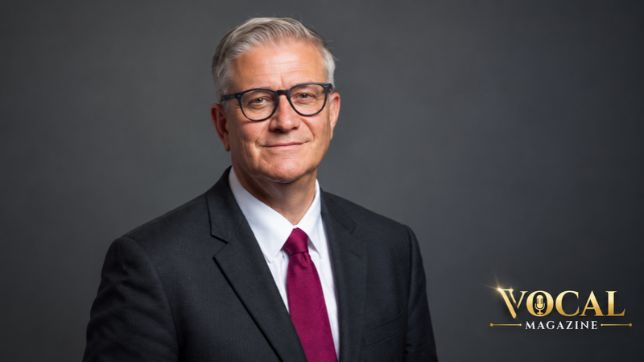
Andrew Rosindell is a British politician known for his long parliamentary career, strong views on national sovereignty, and involvement in British political affairs. He has represented Romford in the House of Commons since June 2001, initially as a member of the Conservative Party. After more than two decades as a Conservative MP, he made a significant political move by joining Reform UK on January 18, 2026. His decision attracted considerable attention and highlighted the changing political landscape in the United Kingdom.
The political journey of Andrew Rosindell reflects his commitment to his political principles, his experience in Parliament, and his changing relationship with the Conservative Party. From his early involvement in politics to his transition to Reform UK, his career offers an interesting perspective on British politics and the challenges facing established political parties.
Early Life and Political Interests
Andrew Rosindell was born on March 17, 1966, in Romford, England. His connection to the area has remained an important part of his political identity. Before entering Parliament, he developed an interest in political affairs and became involved with the Conservative Party at the age of 14.
During his early political years, Rosindell was influenced by traditional Conservative ideas, including national sovereignty, patriotism, and the importance of British institutions. His interest in these principles helped shape his political outlook and influenced his later parliamentary career.
His early involvement in party politics also gave him opportunities to develop an understanding of political campaigning, public communication, and the concerns of local communities. These experiences helped prepare him for elected office and his eventual role as the representative of Romford.
Andrew Rosindell and His Election as MP for Romford
One of the most important milestones in the career of Andrew Rosindell came on June 7, 2001, when he was elected as the Member of Parliament for Romford. His election established his position in national politics and gave him the opportunity to represent his constituency in the House of Commons.
As an MP, his responsibilities included representing local residents, participating in parliamentary debates, examining government policies, and raising issues affecting his constituents. Constituency representation is an important aspect of parliamentary democracy because it allows local communities to communicate their concerns to national decision-makers.
Rosindell continued to represent Romford through successive general elections, building a lengthy record of parliamentary service. His experience has included work on issues involving foreign affairs, domestic policy, public administration, and Britain’s position in international relations.
His long association with Romford has remained a central feature of his political career. For supporters, such continuity can provide experience and familiarity with local issues. However, MPs must also respond to changing public expectations and demonstrate that they continue to represent the interests of their constituents.
Leadership Roles Within the Conservative Party
Throughout his time as a Conservative MP, Andrew Rosindell held several positions that expanded his responsibilities within the party.
Between 2004 and 2005, he served as Vice-Chairman of the Conservative Party. This position involved working within the party’s organisational structure and supporting its political activities.
He subsequently served as an Opposition Whip from 2005 to 2007. Whips help coordinate parliamentary business, communicate party positions, and encourage members to participate in votes according to party instructions.
From 2007 to 2010, Rosindell served as Shadow Minister for Home Affairs. In this role, he contributed to the opposition’s scrutiny of government policies concerning domestic affairs. Shadow ministers examine the work of government departments and develop alternative policy positions on behalf of their parties.
Later, he became Shadow Parliamentary Under-Secretary for Foreign, Commonwealth and Development Affairs on November 20, 2024. He held this position until January 18, 2026, when he left the Conservative Party. These roles demonstrate the range of parliamentary responsibilities he undertook during his Conservative career.
Political Views and British Sovereignty
National sovereignty has been an important theme in the political outlook of Andrew Rosindell. He has expressed support for protecting Britain’s independence in decision-making and maintaining a strong national identity.
His political interests have also included international relations, defence, law and order, and the status of British overseas territories. These subjects frequently involve questions about national security, diplomatic relationships, constitutional responsibilities, and Britain’s position in the wider world.
Such issues can generate considerable political disagreement. Supporters of a strong sovereignty-focused approach argue that the United Kingdom should maintain greater control over decisions affecting its territory and international interests. Others emphasise the importance of diplomatic agreements and cooperation with other countries.
Understanding these differences is important when examining Rosindell’s political career. His public positions reflect broader debates about Britain’s international responsibilities, the limits of government authority, and the relationship between national interests and international cooperation.
Why Andrew Rosindell Joined Reform UK
On January 18, 2026, Andrew Rosindell announced that he was leaving the Conservative Party and joining Reform UK, the party led by Nigel Farage. The decision marked a major turning point after approximately 25 years as a Conservative MP.
A central reason he gave for his departure was his disagreement with the Conservative Party’s position on the Chagos Islands. The issue concerns the United Kingdom’s agreement to transfer sovereignty of the Chagos Archipelago to Mauritius while retaining control of the strategically important Diego Garcia military base through a long-term lease.
Rosindell argued that the Conservatives had failed to challenge the government’s approach adequately and that the issue crossed a political red line for him. He presented his departure as a decision to prioritise his understanding of Britain’s national interests over party loyalty.
His move placed him within Reform UK’s parliamentary group and strengthened the party’s presence in the House of Commons. It also illustrated how disagreements over national sovereignty and foreign policy can influence political allegiances.
Although party defections can attract criticism as well as support, they can also reveal significant divisions within political organisations. Rosindell’s decision therefore became part of the wider discussion about the Conservative Party’s future and Reform UK’s growing role in British politics.
Andrew Rosindell’s Political Legacy and Future
The political legacy of Andrew Rosindell will be shaped by his parliamentary record, his relationship with Romford, and his work on national and international issues. His years in the Conservative Party provided experience in opposition roles, party organisation, and parliamentary scrutiny.
His move to Reform UK created a new chapter in that career. Changing political parties can offer politicians an opportunity to pursue their beliefs through a different organisation, but it also brings challenges. They must explain their decisions to voters, establish their position within the new party, and demonstrate how their priorities will translate into parliamentary action.
For Rosindell, continuing to represent Romford remains an important responsibility. Constituents may assess his performance through his parliamentary contributions, engagement with local concerns, and approach to issues affecting the community.
His future influence will depend on his ability to maintain public confidence, contribute to policy discussions, and work effectively within his new political environment.
Conclusion
Andrew Rosindell has established a significant presence in British politics through his long service as the MP for Romford and his involvement in several important Conservative Party roles. His political journey reflects longstanding interests in national sovereignty, British identity, and international affairs.
His decision to join Reform UK on January 18, 2026, represented a major change after decades of Conservative affiliation. Disagreements over the Chagos Islands and the defence of British sovereignty played a central role in his explanation for the move.
Ultimately, the career of Andrew Rosindell demonstrates how political principles, party loyalty, and changing national debates can shape a politician’s decisions. His continued work in Parliament will determine how this new chapter develops and how his political priorities affect his constituents and the wider United Kingdom.