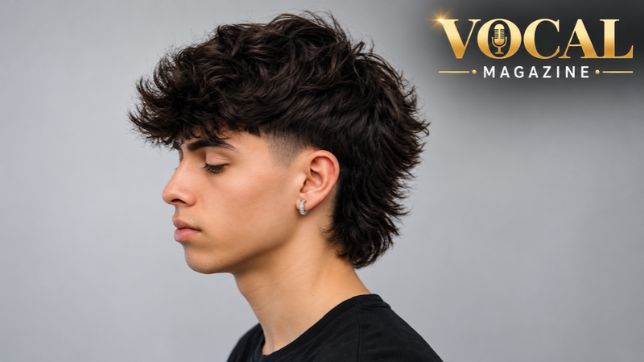
A low taper mullet is a modern haircut that combines clean, tapered sides with longer hair at the back. It creates a distinctive appearance that balances a neat finish with a relaxed, edgy style. The hair around the temples and neckline gradually becomes shorter, while the back remains longer to preserve the classic mullet shape. The top can be textured, curly, wavy, or straight, depending on personal preference.
This haircut has become a popular choice for people who want something different from traditional short hairstyles. It offers flexibility, allowing wearers to choose between a subtle everyday look and a bold, fashion-forward appearance. With the right length, texture, and styling, this haircut can suit different hair types, face shapes, and personal styles.
What Is a Low Taper Mullet?
A low taper mullet combines two haircut techniques: a low taper and a mullet. A low taper gradually shortens the hair around the lower temples, sideburns, and neckline without removing too much length from the sides. Meanwhile, the mullet keeps the hair longer at the back, creating a noticeable difference between the front, sides, and rear.
Unlike some traditional mullets, modern versions often feature blended edges, natural texture, and a softer transition between different hair lengths. The top may be kept short and neat or left longer for additional volume.
The result is a versatile haircut that looks clean around the edges while maintaining the individuality of a classic mullet.
Popular Low Taper Mullet Styles
One of the biggest advantages of this haircut is the number of variations available. Your barber can adjust the length, texture, and shape to create a look that matches your preferences.
1. Textured Mullet
A textured mullet features layers and movement throughout the top. This style works well for people who want a relaxed, slightly messy appearance without making their hair look unstructured.
A matte clay or texturizing powder can help create separation and volume. The back remains longer, while the tapered sides keep the overall haircut looking balanced.
2. Curly Mullet
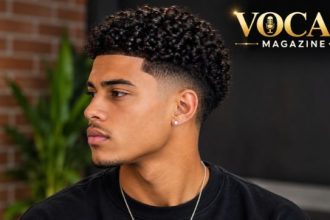
A curly low taper mullet highlights natural curls while keeping the edges neat. The curls add volume and movement to the top and back, creating a distinctive shape.
A lightweight curl cream or leave-in conditioner can help define curls and reduce frizz. The barber should preserve enough length to allow the curls to form naturally.
3. Wavy Mullet
Wavy hair is particularly suitable for a relaxed, modern mullet hairstyle. Natural waves create movement without requiring extensive styling.
A small amount of sea salt spray can enhance texture, while gentle blow-drying helps maintain volume. This variation is ideal for people who prefer a casual appearance.
4. Straight Hair Mullet
A straight hair mullet creates a cleaner, more defined silhouette. Since straight hair may not provide as much natural volume, layers can help prevent the back from appearing too heavy.
A light styling cream or volumizing product can add movement without making the hair stiff. Keeping the top slightly longer also provides more styling options.
5. Messy and Modern Mullet
For a more adventurous appearance, a messy style combines uneven texture, a fuller top, and a longer back. The low taper fade mullet variation keeps the edges clean while allowing the upper sections to remain loose and expressive.
This option suits people who enjoy an effortless, youthful hairstyle that does not need to look perfectly polished.
Which Face Shapes and Hair Types Suit This Haircut?
A low taper mullet can be customized for different face shapes, but the proportions matter.
Oval faces: Most variations can work well because oval faces generally accommodate a wide range of haircut shapes.
Round faces: Additional height on top can create a more elongated appearance. Avoiding excessive width around the temples may help maintain balance.
Square faces: Textured layers and a slightly softer fringe can complement strong facial features. A clean taper adds definition around the edges.
Long faces: Keeping moderate volume on top and allowing some width through the sides can help create more balanced proportions.
Hair texture also influences the final result. Thick hair may benefit from layering to reduce bulk, while fine hair often looks fuller with shorter layers and lightweight styling products. Curly and wavy hair can provide natural movement, whereas straight hair may need additional texture.
Your barber can adjust the length and shape according to your hair density, growth pattern, and preferred appearance.
How to Style Your Mullet
Styling does not need to be complicated. The key is choosing products that complement your hair texture instead of weighing it down.
Start by washing your hair with a suitable shampoo and conditioner. Gently towel-dry it until it is damp, then apply a small amount of styling product.
For extra volume, use a blow-dryer on a low or medium heat setting. Direct the airflow toward the roots and use your fingers or a suitable brush to lift the top. For wavy or curly hair, a diffuser can help preserve the natural pattern.
Choose products according to your needs:
- Matte clay: Adds definition and a natural-looking finish.
- Texturizing spray: Enhances movement and separation.
- Curl cream: Helps define curls and manage frizz.
- Lightweight mousse: Supports volume in fine or straight hair.
- Leave-in conditioner: Helps keep longer sections manageable.
Avoid applying too much product, especially near the back, because excessive buildup can make the hair look flat or greasy.
Maintenance and Trimming Tips
Although the longer back section does not require frequent cutting, the tapered edges need regular attention to maintain their shape.
Many people benefit from trimming the sides and neckline every two to four weeks, depending on how quickly their hair grows and how sharp they want the taper to look. The longer back section may need less frequent trimming, but occasional shaping helps prevent uneven or damaged ends.
Use conditioner regularly to keep the longer hair manageable. If your hair is curly or wavy, avoid excessive brushing when it is dry because this can disrupt the natural texture.
You can also ask your barber to preserve the original shape during maintenance appointments rather than shortening the back unnecessarily.
What to Tell Your Barber
Clear instructions help your barber understand the exact haircut you want. Instead of simply requesting a mullet, explain the details that matter most.
Ask for a low taper around the temples, sideburns, and neckline, with the back left noticeably longer. Explain whether you prefer a subtle blend or a more dramatic difference between the sides and rear.
Bring reference photos showing the front, sides, and back. These images can communicate the desired length more effectively than words alone.
Also, discuss your hair texture, the amount of layering you want, and whether you prefer a fringe or a swept-back top. If you are trying this style for the first time, consider starting with a moderate back length that can be adjusted later.
Conclusion
The low taper mullet offers a practical combination of clean edges, longer back sections, and customizable texture. Whether you prefer curls, waves, straight hair, or a messy finish, the haircut can be adapted to suit your features and daily routine.
Its success depends on choosing balanced proportions, communicating clearly with your barber, and maintaining the shape as your hair grows. With suitable styling products and regular trims, you can enjoy a distinctive hairstyle that feels modern without losing the character of the traditional mullet.
Frequently Asked Questions (FAQs)
1. What is a low taper mullet?
A low taper mullet is a modern haircut featuring gradually shortened hair around the temples and neckline, with longer hair at the back and a customizable top.
2. Is a low taper mullet suitable for all hair types?
Yes, this haircut can work with straight, wavy, curly, and thick hair. The barber can adjust the length and layers to complement your natural texture.
3. How often should I trim a low taper mullet?
Most people can trim the tapered sides and neckline every two to four weeks. The longer back section may need less frequent trimming to maintain its shape.
4. Does a low taper mullet look good on round faces?
Yes. Keeping some height on top and controlling the width around the sides can help create a more balanced appearance for round face shapes.
5. What products are best for styling a low taper mullet?
Matte clay, texturizing spray, lightweight mousse, and curl cream are useful options. Choose a product based on your hair type and the finish you want.
6. What is the difference between a low taper mullet and a traditional mullet?
A low taper mullet features a gradual, neat finish around the temples and neckline. Traditional mullets can have more pronounced differences between the sides and longer back.
7. Can I get a low taper mullet with curly hair?
Absolutely. Curly hair adds natural volume and texture to this style. A curl cream or leave-in conditioner can help define curls and control frizz.
8. How do I ask my barber for a low taper mullet?
Ask for a low taper around the temples and neckline, a longer back, and a top length that suits your hair texture. Bringing reference photos can help your barber understand your preferred look.