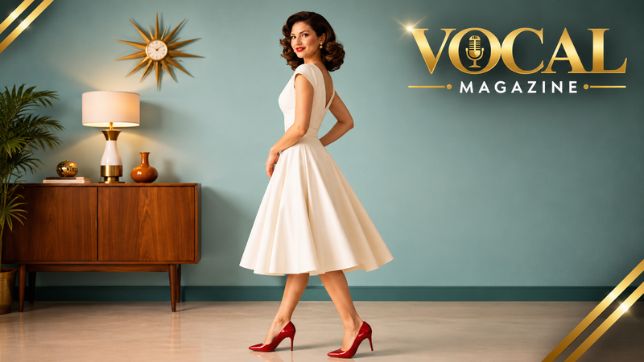
Fifties Fashion Shoes played an important role in defining the elegance, personality, and everyday style of the 1950s. During this decade, footwear became more than a practical necessity; it was an essential part of creating a polished appearance. From stylish pumps and delicate ballet flats to casual saddle shoes and penny loafers, the period offered designs that suited different ages, occasions, and lifestyles.
The 1950s were known for their distinctive fashion trends, including full skirts, fitted dresses, tailored suits, and carefully coordinated accessories. Shoes completed these outfits by adding color, comfort, and character. Today, 1950s vintage shoes continue to inspire designers, collectors, and fashion enthusiasts who appreciate timeless designs and retro elegance.
History and Background of 1950s Footwear
The 1950s followed the difficult years of World War II, when material shortages and practical clothing had influenced everyday fashion. As the postwar economy improved in many Western countries, fashion increasingly emphasized femininity, personal expression, and a more refined appearance.
Christian Dior’s influential New Look, introduced in 1947, helped popularize fitted waists and full skirts that remained important during the early 1950s. Shoes were selected to complement these silhouettes, with women often choosing heels for formal occasions and flats for everyday activities.
Men’s footwear also reflected the decade’s changing culture. Traditional leather dress shoes remained popular for work and formal events, while loafers, saddle shoes, and other casual designs suited younger consumers. The growing popularity of teenagers as a distinct consumer group helped make casual American styles especially recognizable.
These developments made Fifties Fashion Shoes an important part of the era’s visual identity, balancing traditional elegance with emerging youth culture.
Popular Shoe Styles of the 1950s
Saddle Shoes
Saddle shoes were among the most recognizable casual footwear styles of the decade. Traditionally made with a contrasting band across the middle of the shoe, they were commonly seen in black and white or brown and white.
They became associated with American school culture, teenagers, dancing, and casual weekend outfits. Their sturdy construction and distinctive appearance made them a practical choice for everyday wear.
Ballet Flats
Ballet flats offered a comfortable alternative to high heels. Inspired by ballet slippers, these lightweight shoes usually featured rounded toes, flexible soles, and simple designs.
Women frequently paired them with capri pants, cropped trousers, casual skirts, and relaxed dresses. Their understated appearance made them suitable for informal occasions and everyday errands.
Penny Loafers
Penny loafers were another popular choice, particularly for students and people seeking smart casual footwear. Their slip-on design, leather construction, and distinctive saddle detail made them both practical and fashionable.
Although loafers had existed before the 1950s, their association with American college culture strengthened during this period. They worked well with tailored trousers, cardigans, button-down shirts, and school-inspired outfits.
Kitten Heels and Classic Pumps
Kitten heels offered a modest heel height that created an elegant appearance without the height of traditional high heels. They suited women who wanted a refined silhouette for daytime events and social occasions.
Classic pumps were equally important. Available in different heel heights, they complemented cocktail dresses, evening gowns, and tailored clothing. Pointed or rounded toes, leather finishes, and decorative details helped distinguish different designs.
Other Recognizable Styles
Slingback shoes, T-strap heels, Mary Janes, and open-toe sandals also contributed to the decade’s footwear variety. Each style offered a different balance of elegance, practicality, and visual appeal.
Together, these designs demonstrate why Fifties Fashion Shoes remain popular among people who appreciate vintage fashion and classic silhouettes.
Materials, Colors, and Design Features
Leather was a major material for dress shoes, loafers, and many everyday designs. Suede offered a softer texture, while canvas was commonly used for casual footwear. Some dress shoes featured patent leather, which provided a glossy finish suitable for formal outfits.
Color played an important role in vintage footwear. Black, brown, white, navy, and cream were versatile choices, while red and pastel shades added personality to women’s shoes. Two-tone combinations were particularly recognizable in saddle shoes and other retro designs.
Heel shapes also varied considerably. Low block heels provided stability, while slender heels created a more sophisticated appearance. Rounded toes were common, although pointed styles also appeared in fashionable women’s footwear.
Decorative bows, buckles, perforations, contrasting panels, and stitched details added character without overwhelming the overall design. These features helped make 1950s vintage shoes recognizable even today.
Fifties Fashion Shoes for Women and Men
Women’s footwear generally offered a wider range of decorative and formal styles. Pumps, kitten heels, ballet flats, and T-strap shoes complemented dresses, skirts, and carefully coordinated accessories. The preferred style depended on the occasion, personal taste, and practical needs.
Men’s shoes focused more heavily on traditional leather oxfords, brogues, loafers, and casual lace-up designs. Black and brown remained common colors for formal and professional settings, while two-tone shoes and saddle shoes reflected more relaxed youth fashion.
However, these categories were not absolute. Women wore practical loafers and saddle shoes, while men also adopted fashionable casual footwear. The decade’s trends reflected both established dress codes and changing attitudes toward leisure and youth culture.
How to Style Vintage Shoes Today
Modern outfits can incorporate retro footwear without looking like period costumes. The key is to combine one or two vintage-inspired pieces with contemporary clothing.
- For a casual look: Pair saddle shoes with straight-leg jeans, a white T-shirt, and a cardigan.
- For feminine elegance: Wear kitten heels with a midi skirt, a fitted blouse, and a structured handbag.
- For everyday comfort: Combine ballet flats with cropped trousers and a simple striped top.
- For a polished outfit: Style classic pumps with tailored trousers or a knee-length dress.
- For a preppy appearance: Match penny loafers with ankle-length trousers, a button-down shirt, and a lightweight sweater.
Fifties Fashion Shoes can also work with modern denim, minimalist dresses, and contemporary accessories. Choosing comfortable, well-fitting footwear ensures that the finished look remains practical as well as stylish.
Where to Find Vintage-Inspired Shoes
Authentic vintage footwear can be found through antique shops, vintage clothing boutiques, estate sales, online resale marketplaces, and specialist collectors. When shopping for original shoes, inspect the soles, stitching, lining, and heel condition. Older footwear may have weakened materials, so appearance alone is not a reliable indicator of durability.
Modern retro alternatives are often easier to wear regularly. Many contemporary brands produce saddle shoes, loafers, Mary Janes, and classic pumps inspired by mid-century designs.
Before purchasing, check sizing information, return policies, material descriptions, and customer reviews. Original vintage sizing may differ from modern sizing, and older leather can feel different from newly manufactured footwear.
For shoppers who want authentic character without sacrificing everyday comfort, comparing vintage pieces with modern reproductions can help identify the best option.
Conclusion
Fifties Fashion Shoes represent a memorable period in fashion history, combining elegant women’s heels, practical flats, traditional men’s dress shoes, and youthful casual styles. Their distinctive colors, shapes, and materials reflected the changing lifestyles and cultural influences of the 1950s.
Today, these classic designs remain relevant because they can be adapted to modern wardrobes while preserving their original charm. Whether you prefer saddle shoes, penny loafers, ballet flats, or elegant pumps, vintage-inspired footwear offers an accessible way to celebrate the lasting appeal of mid-century style.
FAQs About Fifties Fashion Shoes
What were the most popular shoes in the 1950s?
Popular 1950s shoes included saddle shoes, penny loafers, ballet flats, kitten heels, classic pumps, Mary Janes, and T-strap heels. These styles reflected the decade’s mix of elegance, comfort, and youthful fashion.
What are saddle shoes, and why were they popular in the 1950s?
Saddle shoes are lace-up shoes featuring a contrasting strip of material across the middle. Often designed in black and white or brown and white, they became associated with American school fashion, teenagers, and casual activities.
What shoes did women wear in the 1950s?
Women commonly wore classic pumps, kitten heels, ballet flats, slingbacks, Mary Janes, and T-strap shoes. Their choices depended on the occasion, with heels often complementing formal dresses and flats providing comfort for everyday wear.
What shoes did men wear during the 1950s?
Men frequently wore leather oxfords, brogues, penny loafers, saddle shoes, and casual lace-up shoes. Formal leather footwear was popular for work and special occasions, while loafers and saddle shoes suited relaxed outfits.
How can I style Fifties Fashion Shoes with modern clothing?
Pair saddle shoes with jeans and a cardigan, ballet flats with cropped trousers, or classic pumps with a midi dress. Penny loafers also look stylish with tailored trousers and a button-down shirt.
Where can I buy authentic 1950s vintage shoes?
You can search vintage boutiques, antique shops, estate sales, online resale marketplaces, and specialist vintage footwear stores. Check the soles, stitching, sizing, and material condition before purchasing older shoes.
Fifties Fashion Shoes Fifties Fashion Shoes Fifties Fashion Shoes Fifties Fashion Shoes Fifties Fashion Shoes Fifties Fashion Shoes Fifties Fashion Shoes Fifties Fashion Shoes Fifties Fashion Shoes Fifties Fashion Shoes Fifties Fashion Shoes Fifties Fashion Shoes