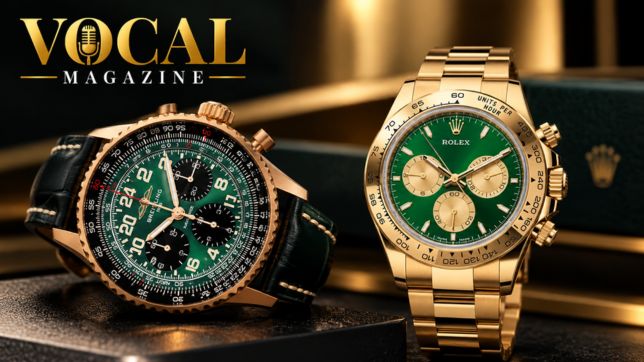
Introduction to Swiss Watch Brands
Swiss watch brands have earned a worldwide reputation for precision, craftsmanship, innovation, and timeless design. From prestigious luxury manufacturers producing complicated mechanical movements to affordable companies creating dependable everyday watches, Switzerland remains one of the most influential centers of the global watchmaking industry. For collectors, professionals, fashion enthusiasts, and first-time buyers, Swiss watches offer a wide variety of styles, technologies, and price points.
The phrase Swiss watch brands represents much more than a country of origin. It reflects centuries of horological development, meticulous engineering, traditional craftsmanship, and a commitment to accurate timekeeping. Famous manufacturers such as Rolex, Patek Philippe, Omega, Audemars Piguet, and Vacheron Constantin have established strong identities through distinctive designs and technical achievements. Meanwhile, brands such as Tissot, Longines, Mido, and Victorinox make Swiss watchmaking accessible to a broader audience.
Choosing the right Swiss watch depends on individual preferences, budget, intended use, and appreciation for different watchmaking traditions. Some buyers prioritize prestige and exclusivity, while others value durability, versatility, affordability, or mechanical innovation. Understanding the major Swiss watch brands helps consumers compare their strengths and identify timepieces that suit their lifestyles.
1. The History and Heritage of Swiss Watchmaking
Swiss watchmaking developed over several centuries, particularly in regions such as Geneva and the Jura Mountains. Skilled craftspeople refined techniques for manufacturing mechanical movements, producing intricate components, and assembling watches with exceptional attention to detail.
Geneva became an important center of luxury watchmaking, attracting talented artisans and establishing a reputation for sophisticated craftsmanship. Over time, other Swiss regions developed their own specialties, including industrial-scale precision manufacturing and the production of reliable mechanical movements.
During the nineteenth and twentieth centuries, Swiss manufacturers expanded internationally. Their watches became associated with reliability, elegance, scientific precision, and professional applications. Mechanical innovations supported developments in aviation, diving, navigation, sports timing, and exploration.
The introduction of quartz technology transformed the industry during the 1970s and 1980s. Electronic watches offered affordable manufacturing and excellent accuracy, creating substantial competition for traditional mechanical models. Swiss manufacturers responded through technological investment, brand differentiation, and renewed emphasis on mechanical craftsmanship.
Today, Swiss watch brands combine historical techniques with modern materials, advanced manufacturing processes, and contemporary design. Some emphasize traditional hand-finishing, while others focus on accessible pricing, professional functionality, or innovative movements.
2. Patek Philippe: The Pinnacle of Traditional Luxury
Patek Philippe is among the most prestigious names in Swiss watchmaking. Founded in Geneva in 1839, the company is renowned for sophisticated mechanical movements, elaborate complications, refined finishing, and enduring designs.
Its collection includes the Calatrava, known for its understated elegance, and the Nautilus, recognized for its distinctive luxury sports-watch styling. The Aquanaut offers a more contemporary interpretation of sporty luxury, while complicated models demonstrate the company’s technical capabilities.
Patek Philippe produces watches featuring perpetual calendars, minute repeaters, chronographs, and astronomical displays. Such mechanisms require extensive engineering and careful assembly.
Collectors often appreciate the brand for its heritage, craftsmanship, and limited availability of certain models. Some references have achieved exceptional prices at auctions, although resale performance varies according to condition, rarity, provenance, and market demand.
Patek Philippe is particularly suitable for buyers who value traditional haute horlogerie and are prepared to pay a substantial premium for craftsmanship and exclusivity.
3. Audemars Piguet: Innovative Luxury Sports Watches
Audemars Piguet, founded in 1875 in Le Brassus, is famous for combining traditional watchmaking with bold contemporary design. The company belongs to the group commonly known as the Swiss watchmaking Holy Trinity, alongside Patek Philippe and Vacheron Constantin.
Its most recognizable collection is the Royal Oak, introduced in 1972. Designed by Gérald Genta, the watch helped redefine the luxury sports-watch category through its integrated bracelet, octagonal bezel, exposed screws, and distinctive dial.
The Royal Oak Offshore expanded this concept with larger cases and a more assertive appearance. Audemars Piguet also produces complicated watches featuring tourbillons, perpetual calendars, and sophisticated chronographs.
The brand appeals to collectors seeking recognizable design, technical expertise, and a strong connection between traditional craftsmanship and modern luxury.
However, many Audemars Piguet models occupy the upper end of the luxury market, and availability can vary considerably. Buyers should consider authorized purchasing channels, servicing requirements, and total ownership costs before making a decision.
4. Vacheron Constantin: Centuries of Watchmaking Excellence
Established in Geneva in 1755, Vacheron Constantin is widely recognized as the oldest continuously operating watch manufacturer. Its history reflects a long commitment to technical refinement, decorative craftsmanship, and sophisticated mechanical watchmaking.
The Overseas collection combines luxury finishing with versatile sports-watch design. The Patrimony emphasizes minimalist elegance, while the Traditionnelle collection showcases classical watchmaking influences.
Vacheron Constantin is particularly respected for complicated movements, elaborate finishing, and limited-production creations. Some of its watches incorporate multiple complications, requiring exceptional precision and specialized assembly.
The company is an appealing choice for collectors who appreciate discreet prestige and historical continuity. Compared with more immediately recognizable brands, Vacheron Constantin can offer a quieter expression of luxury, although its prices remain firmly within the premium segment.
5. Rolex: A Global Symbol of Swiss Watchmaking
Rolex is one of the most widely recognized Swiss watch brands. Founded in 1905 and established in Geneva, the company has built its reputation around robust construction, reliable movements, distinctive designs, and strong international recognition.
The Submariner is a celebrated diving watch, while the Daytona is associated with motorsport and chronograph timing. The Datejust remains a versatile everyday option, and the Day-Date is known for its precious-metal construction and day-and-date display.
Rolex also produces the Explorer, GMT-Master II, Sea-Dweller, and Oyster Perpetual. These collections serve different purposes, from travel and exploration to professional diving and everyday wear.
A defining characteristic of Rolex is its balance between luxury presentation and practical durability. Many models use robust Oyster cases, automatic movements, and water-resistant designs suited to regular use.
Rolex watches can command strong resale prices, but values are not guaranteed to rise. Market demand, purchase price, condition, reference, and servicing history all influence resale outcomes.
For buyers seeking a recognizable Swiss watch with versatile styling and a well-established service network, Rolex is often a leading consideration.
6. Blancpain: Mechanical Tradition and Diving Heritage
Blancpain traces its origins to 1735 and is celebrated for its connection to traditional mechanical watchmaking. The company is particularly associated with the Fifty Fathoms, introduced in 1953 and widely regarded as an important milestone in modern dive-watch history.
The Fifty Fathoms was developed for underwater use, emphasizing legibility, water resistance, and practical timing features. Its legacy continues through contemporary models designed for divers and enthusiasts.
Blancpain also produces elegant dress watches and complicated mechanical creations. The Villeret collection reflects classical styling, while selected models demonstrate the company’s expertise in calendars, moon phases, and other complications.
Blancpain is particularly attractive to enthusiasts who appreciate mechanical movements and the history of professional diving watches. Its collections tend to occupy the luxury segment, making it more suitable for buyers with a substantial watch budget.
7. Breguet: Historical Innovation and Refined Design
Breguet is one of the historic names in Swiss luxury watchmaking, with roots dating to 1775. Founded by Abraham-Louis Breguet in Paris, the company became famous for technical innovations and distinctive design features.
Abraham-Louis Breguet is closely associated with the invention of the tourbillon, patented in 1801. The mechanism was developed to address certain positional errors in pocket-watch escapements. Although its practical benefits depend on the watch’s construction and use, the tourbillon remains an important example of horological ingenuity.
Breguet watches are also recognized for guilloché dials, elegant hands, coin-edge cases, and classical proportions. Collections such as Classique emphasize traditional refinement, while Marine models offer a sportier interpretation.
The brand is a strong choice for collectors who value historical significance, technical sophistication, and understated luxury.
8. Omega: Precision, Exploration, and Sporting Excellence
Omega is one of the most influential Swiss watch brands, combining technical innovation with a strong connection to exploration, sports, and popular culture. Founded in 1848, the company has developed a diverse portfolio of watches that appeal to professionals, collectors, and everyday users.
The Speedmaster is particularly famous for its association with NASA’s Apollo missions and the first Moon landing in 1969. Often called the Moonwatch, it remains a major attraction for enthusiasts who appreciate its historical significance and chronograph functionality.
The Seamaster collection is another cornerstone of Omega’s identity. It includes diving watches designed for underwater performance as well as models suited to everyday wear. The Constellation and De Ville collections offer more formal alternatives.
Omega is also known for its Master Chronometer movements, which undergo testing for precision, magnetic resistance, and performance. These features make the brand attractive to buyers who value modern mechanical engineering.
For consumers comparing luxury Swiss watches, Omega frequently offers an appealing combination of heritage, technical features, and versatile design.
9. Breitling: Swiss Watches Inspired by Aviation
Breitling has established a distinctive reputation through its association with aviation, professional instruments, and chronograph watches. Founded in 1884, the company developed timepieces that emphasize functionality, readability, and technical capability.
The Navitimer is among its most recognizable models. Traditionally equipped with a circular slide rule, it was designed to support calculations useful to pilots. Its detailed dial and aviation-inspired appearance have become defining characteristics.
The Chronomat offers a sportier design, while the Superocean collection focuses on diving watches. Breitling also produces elegant and versatile models suitable for everyday use.
Many Breitling watches feature bold cases, prominent chronograph pushers, and highly legible displays. The brand appeals to enthusiasts who appreciate functional design and a strong connection to aviation history.
Although Breitling primarily operates in the luxury segment, buyers can compare different collections and movement types to find an appropriate option for their needs and budget.
10. TAG Heuer: Motorsport and Contemporary Style
TAG Heuer is a prominent Swiss watch brand with a long association with motorsport, athletic performance, and precision timing. Its history includes the development of chronographs and timing instruments used in sporting environments.
The Carrera collection draws inspiration from motor racing, offering clean dials and sporty proportions. The Monaco is famous for its square case and association with racing culture, while the Aquaracer provides a more practical sports-watch design.
TAG Heuer combines Swiss manufacturing traditions with contemporary styling. Depending on the model, buyers can choose quartz, automatic, and chronograph movements.
The brand is especially attractive to people who want a recognizable luxury watch with a youthful aesthetic. Compared with some haute horlogerie manufacturers, certain TAG Heuer models also provide a more accessible entry into Swiss luxury watch ownership.
11. IWC Schaffhausen: Engineering and Pilot Watches
IWC Schaffhausen was founded in 1868 and is known for its engineering-focused approach to watchmaking. The company produces watches that combine functional design, refined finishing, and practical features.
Its Pilot’s Watches collection is particularly recognizable for aviation-inspired styling, clear displays, and robust construction. The Portugieser collection emphasizes elegant proportions and, in selected models, sophisticated chronograph functionality.
The Ingenieur offers a distinctive sports-watch design, while the Aquatimer serves buyers interested in diving watches.
IWC is a strong choice for people who appreciate understated luxury and purpose-driven design. Its collections range from practical daily timepieces to complicated mechanical watches intended for experienced collectors.
12. Jaeger-LeCoultre: Innovation Behind the Movement
Jaeger-LeCoultre is frequently described as the watchmaker’s watchmaker because of its historical contributions to movement design and production. Established in 1833 in the Vallée de Joux, the company has developed numerous mechanical innovations and supplied movements to other prestigious watchmakers during parts of its history.
The Reverso is its signature collection. Introduced in 1931, the watch features a reversible case originally developed to protect the dial during polo matches. Its rectangular design and distinctive construction make it one of the most recognizable dress watches in horology.
The Master collection emphasizes classical elegance, while the Polaris line offers sportier designs. Jaeger-LeCoultre is also respected for its complicated movements, including perpetual calendars and minute repeaters.
For collectors who value mechanical expertise, historical design, and subtle sophistication, Jaeger-LeCoultre deserves serious consideration.
13. Longines: Elegance and Heritage at Mid-Tier Prices
Longines occupies an important position between accessible Swiss watchmaking and high-end luxury. Founded in 1832 in Saint-Imier, the brand has a long history of producing watches for aviation, sport, exploration, and formal occasions.
The Master Collection features traditional styling and mechanical complications, while the HydroConquest offers sporty diving-watch aesthetics. The Spirit collection draws inspiration from historical aviation instruments, and the Conquest line provides versatile everyday options.
Longines is particularly appealing because it combines established heritage, attractive finishing, and a broad selection of designs without reaching the price levels of many elite luxury manufacturers.
It is a worthwhile option for buyers who want a refined Swiss watch for professional settings, formal occasions, or regular daily wear.
14. Tissot: Affordable Swiss Quality for Everyday Wear
Tissot is one of the best-known accessible Swiss watch brands. Founded in 1853, the company has built its reputation on offering a wide variety of watches at comparatively approachable prices.
The PRX is especially popular for its integrated-bracelet design and retro-inspired appearance. Available in different configurations, it appeals to buyers seeking contemporary styling with a connection to vintage sports watches.
The Gentleman collection offers a versatile design suitable for work and casual occasions. The Seastar provides sportier options, while the Le Locle collection emphasizes traditional dress-watch aesthetics.
Tissot offers both quartz and automatic models, allowing customers to choose between convenience, mechanical appeal, and different price points.
For first-time buyers, students, and professionals seeking a reliable Swiss watch without a luxury-level budget, Tissot is an excellent starting point.
15. Oris: Independent Mechanical Watchmaking
Oris is an independent Swiss watch brand established in 1904. It focuses primarily on mechanical watches and has developed a loyal following among enthusiasts who appreciate functional design and value.
The Aquis collection is known for its diving-watch styling, while the Big Crown line reflects the brand’s aviation heritage. The ProPilot collection also incorporates practical features inspired by flight instruments.
Oris has introduced proprietary movement developments alongside watches using externally sourced mechanical calibres. Its emphasis on mechanical watchmaking gives the brand a distinctive identity within the broader Swiss market.
Oris is particularly suitable for buyers who want a capable mechanical watch from an independent manufacturer without entering the highest luxury price categories.
16. Mido and Victorinox: Practical Swiss Alternatives
Mido is recognized for combining architectural inspiration, traditional watchmaking, and practical everyday designs. Its collections include the Multifort, Ocean Star, and Baroncelli, covering sports, diving, and dress-watch styles.
The brand often appeals to consumers who prioritize mechanical movements, restrained styling, and competitive pricing.
Victorinox, best known internationally for its Swiss Army knives, also manufactures watches designed around durability and everyday functionality. Its collections include sporty and professional-looking timepieces, with features varying by model.
Both brands are worth considering when comparing Swiss watches beyond the most heavily advertised luxury names. Their appeal lies in practicality, recognizable Swiss identity, and a focus on everyday usability.
17. Understanding Swiss Watch Movements
One of the most important considerations when comparing Swiss watch brands is the movement, which powers the watch and controls its timekeeping functions.
Mechanical automatic movements use a rotor that winds the mainspring through the wearer’s movement. They appeal to enthusiasts who appreciate traditional engineering and do not want to replace batteries regularly. However, automatic watches can stop when unworn for an extended period and may require periodic servicing.
Manual-winding movements require the wearer to wind the crown by hand. They provide a direct connection to traditional watchmaking and are often found in dress watches and specialized mechanical models.
Quartz movements use an electronic oscillator regulated by a quartz crystal. They generally offer excellent everyday accuracy and require less maintenance than mechanical movements, although batteries or other power sources may need replacement.
Neither movement type is automatically best for every buyer. Someone who prioritizes convenience may prefer quartz, while a collector interested in mechanical craftsmanship may favor an automatic or manually wound watch.
18. How to Choose the Best Swiss Watch Brand
Selecting the right Swiss watch begins with understanding your budget and intended use. Luxury brands can offer remarkable craftsmanship, but an expensive watch is not necessarily the best choice for every lifestyle.
Consider these factors before purchasing:
- Budget: Establish a realistic spending limit that includes taxes, insurance where appropriate, and future servicing.
- Purpose: Choose a dress watch for formal occasions, a diving watch for water-related activities, or a versatile everyday model for regular wear.
- Comfort and fit: Check case diameter, thickness, bracelet adjustment, strap material, and how the watch sits on your wrist.
- Movement: Decide whether automatic, manual-winding, or quartz technology best suits your preferences.
- Water resistance: Understand the manufacturer’s stated rating and limitations. Water resistance is not permanent, and a rating alone does not make every watch suitable for every aquatic activity.
- Maintenance: Mechanical watches generally need periodic professional servicing, while quartz models can require battery or electronic-component replacement.
- Authenticity: Purchase from reputable retailers, verify documentation where applicable, and arrange an independent inspection when buying a valuable pre-owned watch.
A thoughtful comparison of these factors can help you select a watch that delivers lasting satisfaction rather than relying exclusively on brand prestige.
Conclusion: Finding the Right Swiss Watch Brand
Swiss watch brands represent an extraordinary range of craftsmanship, history, engineering, and personal style. Patek Philippe, Audemars Piguet, and Vacheron Constantin appeal to collectors seeking exceptional luxury, while Rolex, Omega, Breitling, and TAG Heuer combine recognizable designs with practical functionality and sporting heritage.
Meanwhile, Jaeger-LeCoultre, IWC Schaffhausen, Blancpain, and Breguet demonstrate the diversity of Swiss mechanical watchmaking. Longines, Tissot, Oris, Mido, and Victorinox offer compelling alternatives for buyers who prioritize value, everyday practicality, or accessible mechanical craftsmanship.
There is no single Swiss watch brand that suits everyone. The best choice depends on your budget, lifestyle, preferred design, and expectations for ownership. By comparing movement types, comfort, durability, servicing needs, and brand heritage, you can make a more informed decision.
Ultimately, a great Swiss watch is not defined solely by its price or popularity. It is a timepiece that meets your needs, reflects your taste, and provides reliable enjoyment for years to come.
Frequently Asked Questions (FAQs)
What are the best Swiss watch brands?
Some of the best Swiss watch brands include Rolex, Patek Philippe, Audemars Piguet, Vacheron Constantin, Omega, Breitling, TAG Heuer, and Jaeger-LeCoultre. Tissot, Longines, Oris, and Mido are also popular choices for buyers seeking quality and value.
Which Swiss watch brand is the most luxurious?
Patek Philippe, Audemars Piguet, and Vacheron Constantin are widely regarded as leading haute horlogerie brands. They are known for intricate mechanical movements, exceptional finishing, complicated watches, and exclusive designs.
What is the most famous Swiss watch brand?
Rolex is arguably the most internationally recognizable Swiss watch brand. Its Submariner, Datejust, Daytona, and GMT-Master II collections are particularly well known.
Which Swiss watch brands are affordable?
Tissot, Swatch, Certina, Mido, and selected Victorinox models offer relatively accessible entry points into Swiss watchmaking. Prices vary according to the model, movement, materials, and retailer.
Are Swiss watches worth buying?
Swiss watches can be worth buying for their craftsmanship, design, movement quality, and brand heritage. The best value depends on your budget, intended use, maintenance expectations, and personal preferences.
Which Swiss watch brand is best for everyday wear?
Rolex, Omega, Longines, Tissot, and Oris offer models suitable for everyday use. Consider comfort, durability, water resistance, servicing costs, and versatility when choosing a daily watch.
What is the difference between automatic and quartz Swiss watches?
Automatic watches use mechanical movements wound by the wearer’s motion, while quartz watches use electronic circuits regulated by a quartz crystal. Quartz models are generally more accurate and require less routine maintenance, whereas automatic watches appeal to enthusiasts who appreciate mechanical craftsmanship.
Which Swiss watch brands are best for beginners?
Tissot, Longines, Mido, and selected Oris models are good starting points for beginners. They offer a range of designs and prices, making it easier to find a watch that matches your experience and budget.
Are all Swiss watches made entirely in Switzerland?
Not necessarily. The Swiss Made designation is subject to Swiss legal requirements concerning movement, technical development, manufacturing, and final inspection. Individual components may have different origins, depending on the applicable rules and the watch’s construction.
Do Swiss watches hold their value?
Some Swiss watches, particularly certain Rolex, Patek Philippe, and Audemars Piguet models, have demonstrated strong resale demand. However, values can fluctuate, and many watches depreciate after purchase. Resale value depends on the reference, condition, rarity, market demand, and original purchase price.
Which Swiss watch brands are best for diving?
Rolex, Omega, Blancpain, Oris, and Longines offer well-known diving-watch collections. Popular examples include the Rolex Submariner, Omega Seamaster, Blancpain Fifty Fathoms, Oris Aquis, and Longines HydroConquest.
How can I identify an authentic Swiss watch?
Buy from an authorized retailer or a reputable pre-owned dealer. Check the reference and serial information, documentation, movement, finishing, and service history. For expensive purchases, an independent professional inspection can help verify authenticity.
Swiss Watch Brands Swiss Watch Brands Swiss Watch Brands Swiss Watch Brands Swiss Watch Brands Swiss Watch Brands Swiss Watch Brands Swiss Watch BrandsSwiss Watch Brands Swiss Watch Brands Swiss Watch Brands Swiss Watch Brands Swiss Watch Brands Swiss Watch Brands Swiss Watch Brands Swiss Watch Brands Swiss Watch Brands Swiss Watch Brands Swiss Watch Brands Swiss Watch Brands