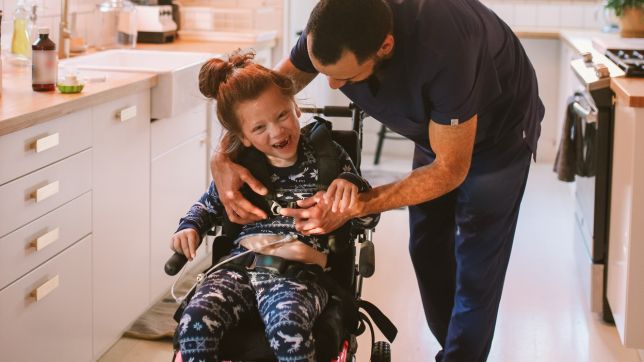
When your child faces mobility challenges, finding equipment that truly fits their situation can transform daily routines in unexpected ways. Many families spend months or even years trying different solutions before discovering what actually works for their child’s unique circumstances. The journey toward proper mobility support involves understanding your child’s specific condition, recognizing how their needs may change over time, and learning what features matter most in practical use. This process requires patience, exploration, and often conversations with healthcare professionals who understand your child’s medical history and physical abilities. Once families find the right match, they frequently report improvements in independence, comfort, and overall quality of life that extend far beyond the equipment itself.
Understanding Your Child’s Individual Mobility Profile
Every child’s mobility needs are distinct, shaped by their diagnosis, age, physical development, and daily activities. Some children benefit from equipment that provides maximum support, while others need solutions that encourage movement and independence. Your child’s specific condition determines what type of equipment might work best, whether that involves devices for walking assistance, positioning support, or transportation between locations. The way your child’s condition progresses over time also influences what equipment serves them well at different stages of development. Healthcare providers such as physical therapists and occupational therapists can assess your child’s current abilities and help identify which features and designs align with their particular situation.
How the Right Equipment Impacts Daily Functioning
When mobility equipment matches your child’s actual needs, families often notice improvements in how their child participates in everyday activities. School attendance becomes more feasible when transportation and classroom mobility are properly supported, and home life changes when a child can move more independently through their living space. Social participation improves when equipment does not create unnecessary barriers to playing with siblings, attending family gatherings, or engaging with peers. For children who are working on developing or rebuilding walking skills, using a gait trainer for mobility provides structured support that helps them practice upright movement during therapy sessions and daily routines. The American Physical Therapy Association offers guidance on mobility and locomotion interventions that can help families and clinicians evaluate appropriate approaches for their child. Properly fitted equipment can also reduce pain, discomfort, and the risk of secondary physical complications that sometimes develop when children rely on ill-fitting solutions.
Discovering Long-Term Advantages Beyond Initial Expectations
As families adapt to using appropriate mobility equipment, they frequently uncover benefits that extend well beyond their initial reasons for seeking the equipment. Children often develop greater confidence when they can participate more fully in activities their peers enjoy. Parents and caregivers experience reduced physical strain, which has significant implications for their own long-term health and their ability to care for their child consistently over many years. Equipment that properly supports a child’s body can prevent or delay the development of postural problems and other musculoskeletal issues that sometimes emerge when children use inadequate support. Financial considerations shift when equipment truly meets needs, as families find they replace devices less frequently and avoid purchasing multiple unsuccessful solutions. The emotional impact on families also matters; many report reduced stress and anxiety when they stop searching for solutions and can instead focus on supporting their child’s growth and participation.
Making Informed Decisions About Equipment Selection
Selecting the right mobility equipment involves gathering information from multiple sources and taking time to evaluate options thoroughly. Your child’s medical team can provide clinical perspectives on what equipment categories align with their specific diagnosis and abilities. Connecting with other families who have similar experiences offers practical insights about which solutions work in real-world situations. Many families benefit from trying equipment before making major purchases, either through rental options or trial periods that manufacturers sometimes offer. Understanding the specific features that matter most for your child helps narrow down options from the wide array of possibilities in the mobility equipment market. Taking time to research and consider your options thoroughly, rather than rushing into the first available solution, typically results in better long-term outcomes for both the child and the family supporting them.
Conclusion
When families find mobility equipment that genuinely matches their child’s specific needs, they often describe the experience as transformative. The process of discovery involves understanding your child’s individual profile, recognizing how proper equipment enables participation in daily activities, and appreciating the long-term advantages that extend beyond mobility itself. Many families find that the right equipment represents more than a medical device; it becomes an enabler of independence, participation, and quality of life that ripples through their entire family system. Taking time to carefully assess options, gather information, and make thoughtful decisions about equipment selection pays dividends in comfort, functionality, and overall family wellbeing. Your child’s mobility needs deserve solutions that truly fit their circumstances, and the journey toward finding those solutions benefits from patience, professional input, and community perspective.