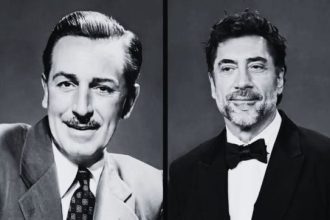
Matthew Stadlen is a prominent British radio and television presenter, journalist, author, and political commentator whose career has developed across several areas of the UK media industry. Born on 7 December 1979 in London, Stadlen has established himself as a familiar broadcasting personality through his work in television, radio, journalism, and public discussion.
His professional journey is notable because it has involved several different roles within the media. Rather than following a single career path, Matthew Stadlen has worked across production, reporting, presenting, interviewing, writing, and commentary. This broad experience has allowed him to engage with subjects ranging from British politics and current affairs to culture, society, and public life.
Over the years, Stadlen has become particularly associated with interviewing and discussion-based broadcasting. His work has included conversations with politicians, journalists, authors, campaigners, and other public figures. Through these appearances and programmes, he has developed a profile as a broadcaster interested in examining contemporary issues and encouraging public debate.
Early Life and Background
Matthew Stadlen was born in London on 7 December 1979. Growing up in the United Kingdom, he developed an interest in communication, current affairs, and the media, interests that would eventually influence his professional career.
His route into broadcasting was not simply a matter of appearing in front of a camera or microphone from the beginning. Like many people working in television and radio, Stadlen gained experience in the wider production environment before becoming a more recognizable presenter.
This background is important when considering his later career. Working behind the scenes can provide broadcasters with an understanding of how programmes are researched, produced, edited, and presented. Such experience can also help develop the ability to identify interesting subjects, prepare questions, and communicate effectively with guests.
Beginning a Career in Television
The early stages of Matthew Stadlen’s career were connected with television production. His experience in production gave him an opportunity to understand the practical and editorial sides of broadcasting.
Television production requires collaboration between presenters, researchers, producers, editors, camera teams, and other specialists. For someone interested in journalism and broadcasting, this environment can provide valuable insight into how stories are developed and how programmes reach audiences.
Stadlen’s transition from production work toward presenting reflects the development of a broader professional identity. Instead of remaining exclusively behind the scenes, he increasingly became involved in communicating directly with audiences.
This progression eventually helped establish him as a television and radio personality.
Matthew Stadlen as a Broadcaster
One of the most recognizable aspects of Matthew Stadlen’s career is his work as a broadcaster. His presenting style has been associated with interviews and discussions involving contemporary political and social issues.
Broadcasting involves more than simply reading information to an audience. Presenters often need to research complex subjects, understand different perspectives, communicate clearly, and respond quickly during live conversations. These skills become particularly important when programmes involve political figures or controversial public issues.
Stadlen’s career has included opportunities to interview people from different areas of public life. Such interviews have contributed to his reputation as a presenter who focuses on conversation and public discussion.
His broadcasting work has also allowed him to explore subjects beyond politics. As a journalist and media personality, he has engaged with a variety of topics, reflecting the wide-ranging nature of modern broadcasting.
Radio Career
Radio has been another important part of Matthew Stadlen’s professional life. Radio broadcasting offers a different environment from television because the presenter relies heavily on voice, conversation, questioning, and the ability to create a connection with listeners.
For presenters working in radio, interviews can be particularly important. A successful interview requires preparation while also allowing enough flexibility for a conversation to develop naturally. Presenters must listen carefully, ask relevant follow-up questions, and explain complicated subjects in an accessible way.
Matthew Stadlen has developed his profile through this form of broadcasting, participating in discussions about politics, current affairs, society, and other subjects of public interest.
His radio work demonstrates the versatility required of contemporary broadcasters, who frequently move between different formats and platforms.
Journalism and Political Commentary
Alongside presenting, Matthew Stadlen has worked as a journalist and political commentator. Political commentary involves examining current events, government decisions, political parties, elections, public policy, and the wider political environment.
The role of a political commentator can involve asking questions about the motivations and consequences of political decisions while providing audiences with context. It can also involve interviewing people with different perspectives and allowing listeners or viewers to hear competing arguments.
Stadlen’s media career has placed him in this environment, where political developments can be discussed with a broad public audience.
His work reflects the increasingly interconnected nature of journalism and broadcasting. Modern media professionals may write articles, appear on television, host radio programmes, conduct interviews, and communicate through digital platforms. This multi-platform approach has become an important part of the contemporary media landscape.
Interviewing and Public Conversation
Interviewing is one of the defining skills associated with a broadcaster such as Matthew Stadlen. A good interview requires preparation, but it also depends on the ability to listen and respond to what a guest actually says.
Political interviews can be especially demanding because they may involve complicated policies, competing claims, and rapidly changing circumstances. Interviewers need to understand the subject sufficiently to ask meaningful questions and provide audiences with useful context.
Stadlen’s career has involved conversations with people from different backgrounds and professional fields. These interviews have helped him establish a public profile beyond the traditional boundaries of television presentation.
The interview format also gives broadcasters an opportunity to introduce audiences to ideas and experiences that they may not otherwise encounter. This makes interviewing an important part of journalism and public communication.
Writing and Authorial Work
Matthew Stadlen’s professional interests have extended beyond broadcasting into writing and authorship. Writing provides journalists and broadcasters with another way to explore ideas in greater depth.
Unlike a short television segment or radio interview, written work can provide more space for background information, explanation, argument, and reflection. Authors can develop themes in detail and present information in a structured form.
Stadlen’s involvement in writing complements his broadcasting career. Both activities require an ability to communicate information clearly, understand an audience, and organize ideas effectively.
The combination of journalism, broadcasting, and authorship has therefore contributed to the multifaceted nature of his professional profile.
Matthew Stadlen and Contemporary British Media
The career of Matthew Stadlen also provides an example of how British media careers have changed over time. Traditionally, journalists might specialize in newspapers, radio, or television. Today, media professionals often work across several platforms.
Audiences consume news and commentary through television, radio, websites, podcasts, social media, and streaming services. Broadcasters consequently need to be comfortable communicating in different formats.
Stadlen’s experience across television, radio, journalism, and commentary reflects this broader transformation.
The changing media environment has also increased the importance of direct engagement with audiences. Presenters are no longer limited to scheduled broadcasts. Interviews and discussions can be shared online, discussed on social media, and accessed by audiences long after the original programme has ended.
Public Profile and Influence
As a recognizable media personality, Matthew Stadlen has developed a public profile through his broadcasting and journalism. His work places him in regular contact with topics that are important to public discussion.
A broadcaster’s public profile is influenced by many factors, including the programmes they present, the guests they interview, their written work, and their participation in current affairs discussions.
Stadlen’s career demonstrates how a media professional can develop recognition through a combination of these activities rather than through a single programme or role.
His continued involvement in journalism and broadcasting has enabled him to remain connected to debates taking place within British public life.
The Importance of Media Experience
One of the interesting aspects of Matthew Stadlen’s career is the combination of production experience and on-air work. Behind-the-scenes experience can provide valuable knowledge about how programmes are created.
Producers and researchers must often consider which subjects are relevant to audiences, how stories should be presented, and which questions need to be asked. These considerations are also important for presenters.
Moving between different roles can therefore give a broadcaster a broader understanding of the media industry. Stadlen’s professional journey illustrates this relationship between production, journalism, interviewing, and presentation.
Conclusion
Matthew Stadlen has developed a diverse career within British media, working as a broadcaster, journalist, author, and political commentator. Born in London in 1979, he progressed from television production into more prominent presenting and broadcasting roles.
His career demonstrates the variety of opportunities available within modern journalism and broadcasting. Through television and radio, he has participated in interviews and discussions covering politics, current affairs, society, and other areas of public interest. His writing and commentary have further expanded his professional work.
The development of Matthew Stadlen’s career also reflects wider changes in the media industry. Modern broadcasters increasingly work across multiple platforms, combining traditional broadcasting with journalism, digital media, and public discussion.
Whether through an interview, a radio programme, television appearance, or written work, Stadlen has built a professional identity around communication and engagement with contemporary issues. His multifaceted career continues to make him a recognizable figure within the British broadcasting and journalism landscape.
FAQs
Who is Matthew Stadlen?
Matthew Stadlen is a British radio and television presenter, journalist, author, and political commentator known for his work across UK media.
When was Matthew Stadlen born?
Matthew Stadlen was born on 7 December 1979 in London, England.
What does Matthew Stadlen do?
Matthew Stadlen works across broadcasting, journalism, interviewing, writing, and political commentary.
Is Matthew Stadlen a television presenter?
Yes. Matthew Stadlen has worked in television and developed a public profile as a presenter and broadcaster.
Does Matthew Stadlen work in radio?
Yes. Radio broadcasting is an important part of Matthew Stadlen’s media career, including interviews and discussions about current affairs.
What is Matthew Stadlen known for?
Matthew Stadlen is known for his work as a broadcaster, journalist, interviewer, author, and political commentator.