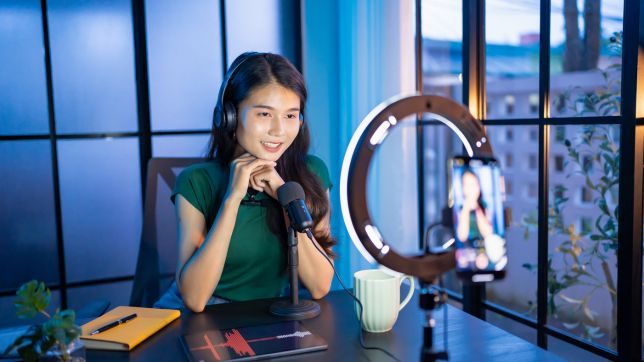
Social media has transformed ordinary people into global personalities almost overnight. Platforms such as Instagram, TikTok, YouTube, and X allow creators to build enormous audiences, earn money, promote businesses, and influence popular culture. But with greater visibility comes greater pressure to stay relevant. This is where the phrase “influencers gone wild” has become increasingly common.
The expression is often used to describe moments when influencers behave dramatically, make controversial decisions, post questionable content, or cross boundaries in pursuit of attention. Sometimes these incidents are genuine mistakes. In other cases, controversial behavior may be deliberately created because outrage and curiosity can generate clicks, comments, shares, and views.
Understanding the phenomenon requires looking beyond individual scandals and examining the social-media environment that encourages creators to compete for attention.
What Does “Influencers Gone Wild” Mean?
The phrase influencers gone wild does not describe one particular group of people or a single type of incident. Instead, it is a broad expression used online when influencers become involved in surprising, controversial, reckless, or highly publicized situations.
An influencer may suddenly post something offensive, start an argument with another creator, reveal private information, participate in a risky trend, or make an unusual public appearance. Sometimes the behavior becomes a major online discussion within hours.
The important point is that social media rewards attention. A creator who receives millions of views from controversial content may discover that dramatic behavior produces significantly more engagement than ordinary posts.
Why Do Influencers Seek Extreme Attention?
Building an audience online is highly competitive. Thousands of creators upload videos and photographs every day, all competing for the same limited attention.
For an influencer, being ignored can be almost as damaging as receiving criticism. Algorithms generally prioritize content that generates strong engagement, while audiences naturally gravitate toward material that surprises, entertains, shocks, or creates emotional reactions.
This can produce a difficult cycle.
A creator publishes something unusual. People react. The post receives more views. News websites and other social-media accounts discuss it. The influencer gains new followers. The increased attention may then encourage the creator to produce even more dramatic content.
This does not mean every controversial influencer incident is planned. However, the structure of social media can make sensational behavior particularly rewarding.
The Role of Viral Trends
Viral trends are another important part of the influencers gone wild phenomenon.
Trends can begin innocently, with creators participating in dances, challenges, jokes, or popular formats. But competition for originality can push some influencers toward increasingly extreme versions of familiar ideas.
The desire to create something nobody else has done can lead to poor decisions. An influencer may underestimate potential consequences because they are focused on producing a video that will stand out.
Once a trend becomes popular, viewers can also contribute to the pressure by requesting increasingly unusual content.
When Controversy Becomes a Business Strategy
For professional influencers, attention can have a direct financial value.
Brand partnerships, advertising revenue, affiliate marketing, subscriptions, merchandise, and other forms of monetization can depend heavily on audience size and engagement. This means a viral controversy can sometimes translate into increased visibility.
That creates an uncomfortable question: Can controversy become part of an influencer’s business model?
In some cases, the answer may be yes. Some creators intentionally use provocative opinions, public arguments, dramatic announcements, or exaggerated personalities to keep themselves in the conversation.
However, this strategy can be dangerous. A controversy may attract millions of viewers, but it can also cause brands to withdraw partnerships and followers to lose trust.
The Difference Between Authenticity and Performance
One reason influencer controversies attract so much attention is that audiences often feel personally connected to creators.
Traditional celebrities typically appeared on television, in movies, or magazines. Influencers, by contrast, frequently communicate directly with followers through livestreams, comments, stories, and personal updates.
This creates an impression of authenticity.
But online content is still a form of media. Influencers choose what to record, edit, publish, and sometimes delete. Even apparently spontaneous moments can be influenced by the creator’s understanding of what will attract an audience.
The boundary between genuine behavior and online performance can therefore become difficult to identify.
The Consequences of Going Too Far
The attention generated by controversial content can be temporary, but its consequences may last much longer.
An influencer who makes a poor decision can face criticism from followers, media coverage, platform restrictions, or lost commercial opportunities. Screenshots and recordings can continue circulating even after the original content has been deleted.
This is particularly important because social media has a long memory.
A creator may apologize and move forward, but old posts can resurface years later. Potential employers, business partners, sponsors, and audiences may judge an influencer based on past behavior.
For this reason, the pursuit of short-term attention can sometimes create long-term problems.
How Audiences Contribute to the Phenomenon
It is easy to blame influencers for controversial online behavior, but audiences also play an important role.
Every view, comment, repost, and reaction can increase the visibility of content. Even negative comments can contribute to engagement.
When people share a controversial video simply to criticize it, they may unintentionally help the creator reach a much larger audience.
This creates a complicated relationship between creators and viewers. Audiences may complain about sensational content while simultaneously helping it become viral.
A healthier social-media environment therefore requires some level of digital awareness from both sides.
Influencer Accountability in the Digital Age
Influence comes with responsibility.
Creators who have millions of followers can affect opinions, purchasing decisions, trends, and even how audiences understand social issues. They therefore have a greater responsibility to consider the consequences of what they publish.
Accountability does not mean influencers should never make mistakes. Everyone makes mistakes. The more important issue is how creators respond when something goes wrong.
A sincere apology, correction, clarification, or willingness to learn can sometimes rebuild trust. In contrast, repeatedly creating controversy without acknowledging its impact can damage a creator’s reputation.
Can Influencers Recover From Controversy?
Yes, but recovery is rarely automatic.
An influencer who becomes involved in a controversy may need to demonstrate genuine behavioral change rather than simply wait for public attention to disappear.
Audiences are increasingly capable of comparing past and present behavior. If an apology is followed by the same conduct again, followers may become skeptical.
On the other hand, creators who acknowledge mistakes, improve their communication, and establish clearer boundaries can sometimes emerge from controversy with a stronger understanding of their audience.
The Future of Influencer Culture
The phenomenon associated with influencers gone wild is unlikely to disappear completely. Social media will continue to reward content that captures attention, and creators will continue searching for new ways to stand out.
However, influencer culture is also becoming more mature.
Audiences are becoming more aware of sponsored content, edited videos, online manipulation, and algorithmic incentives. Platforms are also developing policies around harmful content, harassment, misinformation, and other forms of abuse.
The future may therefore belong not only to the loudest creators but also to those who can maintain attention without constantly creating controversy.
Final Thoughts
The world of influencers gone wild reveals an important truth about modern social media: attention is powerful, but it comes with consequences.
Influencers operate in an environment where a single post can create enormous opportunities or serious problems. The desire to remain visible can encourage dramatic behavior, while audiences can unintentionally reward controversy through engagement.
Ultimately, influence is not simply about follower numbers. It is about trust, responsibility, and the ability to communicate with an audience without sacrificing judgment.
The most successful creators may not be those who generate the biggest scandal. They may be the ones who understand that lasting influence comes from credibility, consistency, creativity, and knowing when not to go too far.
Frequently Asked Questions Influencers Gone Wild
What does “influencers gone wild” mean?
“Influencers gone wild” is a phrase commonly used to describe influencers who become involved in controversial, unexpected, dramatic, or extreme situations online. It can refer to unusual posts, public disputes, risky behavior, viral controversies, or content that attracts significant public attention.
Why do influencers go viral for controversial content?
Controversial content often generates strong emotional reactions. People may comment, share, repost, or discuss the content, increasing its visibility. Because social-media platforms measure engagement, controversial posts can sometimes reach much larger audiences than ordinary content.
Do influencers intentionally create controversy?
Some influencers may deliberately use provocative content to attract attention, while others become controversial because of genuine mistakes or unexpected situations. It is important not to assume that every viral incident was planned.
Can controversy help an influencer’s career?
Controversy can temporarily increase an influencer’s visibility, followers, and engagement. However, it can also damage credibility, cause followers to leave, and lead to lost sponsorships or business opportunities. The long-term effect depends on the nature of the controversy and how the influencer responds.
Why do people watch controversial influencers?
People are naturally attracted to unexpected events, conflict, entertainment, and dramatic stories. Social media also makes it easy for users to follow developments in real time, which can turn a small incident into a major online discussion.
Can influencers recover after a major controversy?
Yes. Influencers can sometimes rebuild their reputation by taking responsibility, communicating honestly, correcting mistakes, and demonstrating meaningful changes in behavior. However, rebuilding trust can take considerable time.
Does social media encourage extreme behavior?
Social media can create incentives for creators to produce attention-grabbing content because views, comments, shares, and followers can have financial and professional value. This does not mean every influencer behaves irresponsibly, but the competitive nature of social platforms can encourage increasingly dramatic content.
How can audiences respond responsibly to controversial influencer content?
Audiences can avoid spreading unverified claims, check information before sharing it, and consider whether their engagement is helping amplify harmful or misleading content. Responsible viewing and sharing can reduce the incentive for unnecessary controversy.
Influencers Gone Wild
Influencers Gone Wild
Influencers Gone Wild
Influencers Gone Wild
Influencers Gone Wild
Influencers Gone Wild
Influencers Gone Wild
Influencers Gone Wild